
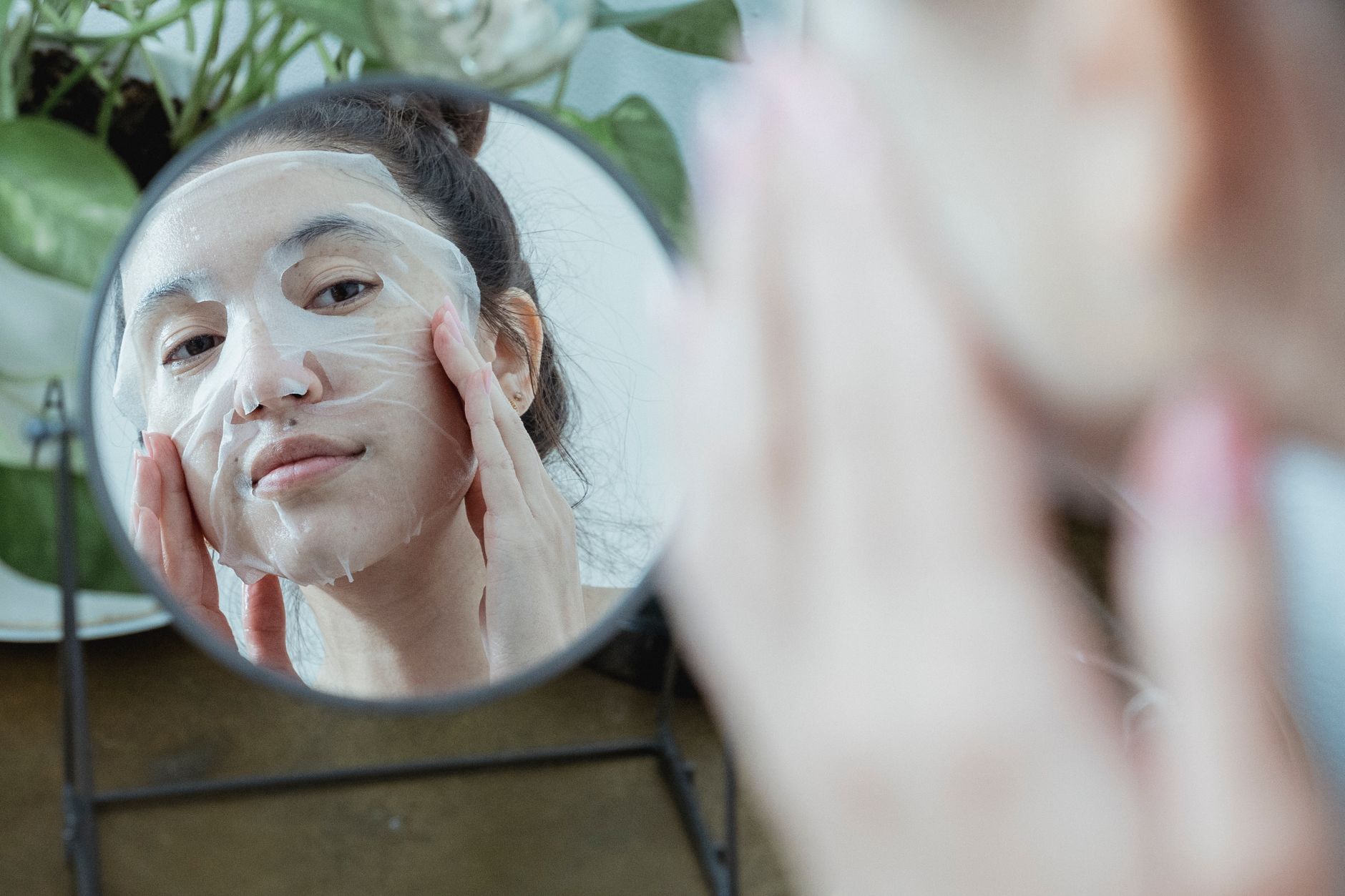
acne research points teens to ask about depression, anxiety, sleep, self-esteem, body image, and suicidal thoughts during acne care. Teens can discuss prompt primary-care evaluation with therapy or psychiatry referral when needed, plus 24/7 crisis help through 988. Acne visits often focus on skin alone. Bringing one or two mood questions makes support part of the visit.
Medical information disclaimer: This article is for general educational purposes only and does not provide medical advice, diagnosis, or treatment. Always consult a physician or other qualified health professional about symptoms, medications, tests, or treatment decisions.
Table of Contents
- What mood changes matter during isotretinoin treatment?
- What sleep and daily-habit questions help?
- Why should you raise mental health yourself?
- What support can you discuss now?
What mood changes matter during isotretinoin treatment?
Isotretinoin is a prescription pill used for severe acne. Dermatology Times reported a 2026 teen cohort kept thinking skills after 3 months, but depression and anxiety rose Dermatology Times report.
Use clear questions at each visit. Mood shifts are easier to catch early than to recall later.
- Have I felt down, empty, or anxious more days than not?
- Have I lost interest in friends, school, or activities I liked?
- Has worry, irritability, or low mood affected sleep or schoolwork?
What sleep and daily-habit questions help?
The study appeared in the Journal of the European Academy of Dermatology and Venereology study summary. It tied late sleep and sedentary time to acne through depression and anxiety symptoms.
Ask about patterns, not just hours. Small details help the clinician see links.
- What time do I fall asleep and wake up on school days?
- How much time do I spend sitting, scrolling, or gaming?
- What movement, breaks, or wind-down routines could I try?
Why should you raise mental health yourself?
Clinical Advisor, reporting Journal of the American Academy of Dermatology data, found depression screening was extremely low at U.S. acne visits in 2005-2016 Clinical Advisor report.
That gap means teens may need to start the talk. Name the concern in plain words.
- Has acne hurt my self-esteem or social confidence?
- Do I avoid photos, activities, or people because of my skin?
- Have I had thoughts of harming myself or feeling hopeless?
What support can you discuss now?
CDC guidance points to prompt primary-care evaluation, with referral to therapy or psychiatry when needed. For crisis help, it lists free 24/7 support by calling or texting 988 or chatting at 988lifeline.org CDC treatment guidance.
Bring brief notes about mood, sleep, and acne treatment. Ask what referral fits, what to watch next, and when to follow up.
- I want help for mood and acne together; who should I see next?
- Can you refer me to therapy or psychiatry now?
- If I feel unsafe, I will call or text 988 or chat at 988lifeline.org.
You Might Also Like
- Anxiety, Body Image, and Acne in a 2026 Cross-Sectional Study: Support Options Teens With Acne Can Discuss
- Microbiome-Friendly Acne Care Questions Raised in 2026: Questions Teens With Inflammatory Acne Can Ask a Dermatologist
- Microbiome-Friendly Acne Care Questions Raised in 2026: How Teens With Inflammatory Acne Can Avoid Microbiome Hype