
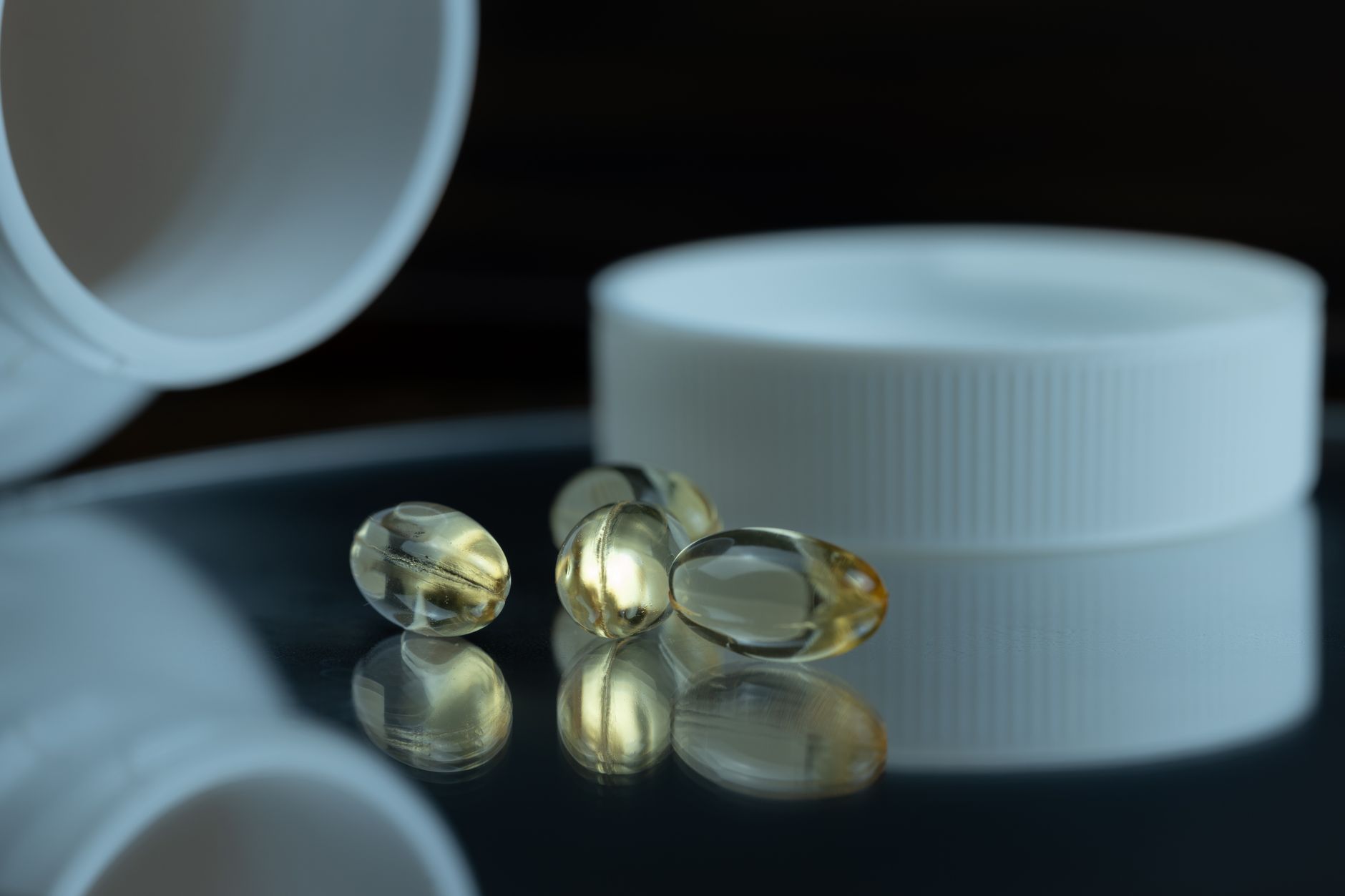
Adults with persistent acne should keep prescription treatment and treat omega-3 balance as a possible adjunct, not a cure. A headline about fish or algae oil improving acne does not mean diet alone clears adult breakouts.
Omega-3 balance here means the proportion of omega-3 fats to omega-6 fats, often tracked as the blood omega-3 index. Facial acne after age 25 is common, so adults often look for diet answers when breakouts continue. According to JAMA Dermatology, some degree of facial acne occurs in 54% of women and 40% of men older than 25, with clinical acne persisting into middle age in 12% of women and 3% of men, described in the JAMA Dermatology report.
Medical information disclaimer: This article is for general educational purposes only and does not provide medical advice, diagnosis, or treatment. Always consult a physician or other qualified health professional about symptoms, medications, tests, or treatment decisions.
Table of Contents
- What does omega-3 balance mean?
- What did the acne omega-3 studies actually test?
- Why do headlines overstate the result?
- How can adults use diet without replacing care?
What does omega-3 balance mean?
Low omega-3 status is frequent in acne patients, but the issue is balance rather than one capsule. Testing at Ludwig-Maximilian University found 94% of 100 acne patients had blood levels below the recommended 8-11%. Patients who regularly ate pulses and avoided sunflower oil had higher levels.
Reviews link acne not to omega-3 alone but to a broader pattern. That pattern includes high glycemic load, skim or low-fat milk and whey protein, plus a high omega-6 to low omega-3 ratio, according to a Journal of the European Academy of Dermatology review. Balance therefore means lowering the dietary tilt toward omega-6 while supporting omega-3 intake.
What did the acne omega-3 studies actually test?
The often-cited improvement came from diet plus supplement, not supplement alone. In a 16-week Munich prospective study of 60 mild-to-moderate acne patients, participants followed a Mediterranean diet plus daily algae oil with 600 mg DHA and 300 mg EPA. Mean omega-3 index rose from 4.9% to 8.3% and lesion severity fell significantly, with 79.2% reporting improvement, reported in the Journal of Cosmetic Dermatology and listed in the PubMed record of the Munich trial.
A smaller trial tested fatty acids more directly. In a 10-week randomized controlled trial in 45 mild-to-moderate acne participants, omega-3 fatty acid or gamma-linolenic acid significantly decreased inflammatory and non-inflammatory lesions. Biopsy staining showed reduced inflammation. The design was short and small, so it supports further study rather than a diet prescription.
Why do headlines overstate the result?
Headlines often turn a combined intervention into a single-nutrient claim. The Munich patients changed eating habits and took algae oil together, so readers cannot separate Mediterranean eating from EPA and DHA. Self-reported improvement also differs from measured lesion counts.
Clinical guidance remains cautious for the same reason. The 2024 American Academy of Dermatology acne guidelines made no specific dietary recommendations, citing three small trials favoring low-glycemic-load diets but a fourth larger trial showing no improved acne control. That split explains why one positive study should not change treatment.
How can adults use diet without replacing care?
Use food and oil supplements only beside proven treatment. Prescription retinoids, benzoyl peroxide, hormonal options, or other clinician care address clogged pores, bacteria, inflammation, and hormones more directly. Diet can be an add-on to discuss, not a substitute.
A careful approach keeps expectations and safety clear. Safety limits still apply to extra EPA plus DHA. For safety, NIH cites FDA advice to consume no more than 3 g per day combined EPA plus DHA, so adults with persistent acne should use diet or fish or algae oil only as an adjunct to prescription treatment and follow clinician dosing, stated by the NIH Office of Dietary Supplements in the NIH consumer fact sheet.
- Keep current prescription treatment unless the prescriber changes it.
- Ask the clinician whether Mediterranean-style meals fit other health needs.
- Discuss any fish or algae oil dose, duration, and interactions before starting.
- Track breakouts, menstrual pattern, new whey or milk intake, and side effects for review.
You Might Also Like
- Diet and Acne Facts and Controversies in the 2026 Review: How Adults With Persistent Acne Can Avoid Overreading the Headline
- Mediterranean and Vegan Diet Claims in the 2026 Acne Review: How Adults With Persistent Acne Can Test Changes Without Overrestricting
- Why the 2026 Acne Diet Review Warns Against Restrictive Regimens: How Adults With Persistent Acne Can Test Changes Without Overrestricting