
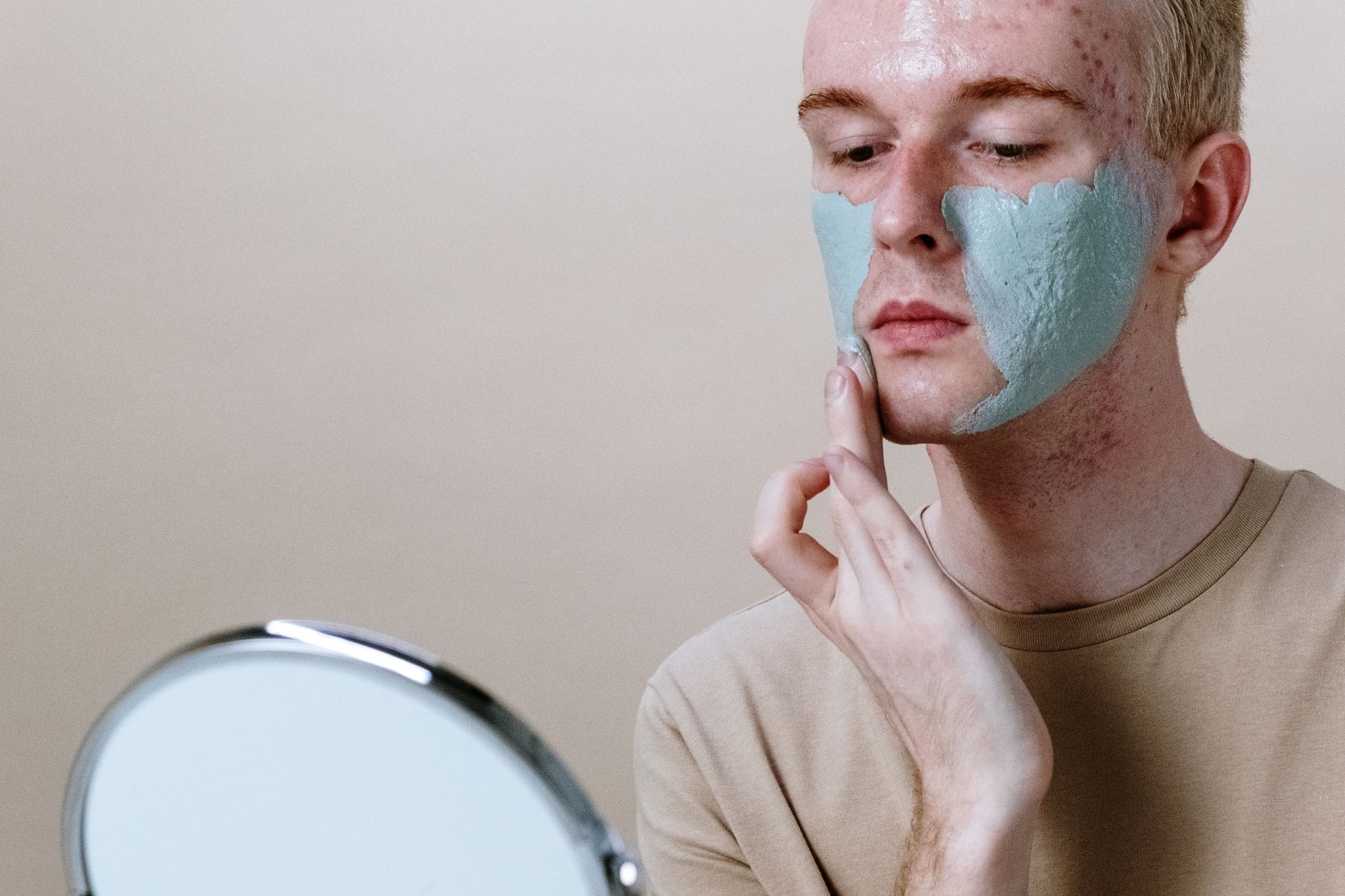
Parents of teens with acne want answers on scars, which change skin texture, and post-inflammatory hyperpigmentation, which leaves temporary dark spots after pimples heal. Discussion tied to the 2026 AAD Annual Meeting in Denver gives parents ways to prevent scars, protect color, and spot rosacea that mimics acne. The 2026 American Academy of Dermatology Annual Meeting was held in Denver March 27-31. According to Dermatology Times in its meeting recap, clinicians gathered for pipeline updates and late-breaking research.
Medical information disclaimer: This article is for general educational purposes only and does not provide medical advice, diagnosis, or treatment. Always consult a physician or other qualified health professional about symptoms, medications, tests, or treatment decisions.
Table of Contents
- Which teen acne scars most?
- Why does picking darken spots?
- How long will color take to clear?
- Is it acne or rosacea?
- When should parents seek prescription care?
Which teen acne scars most?
Nodules are deep, tender lumps under the skin. Nemours KidsHealth explains in its teen acne-scar guide that severe teen acne, especially nodules, is most likely to cause permanent scars.
Early treatment soon after acne appears helps prevent further severe acne and scarring. Parents should start care early and ask a clinician before lesions deepen, spread, or leave marks.
Why does picking darken spots?
The American Academy of Dermatology warns that picking, squeezing or popping acne raises scarring risk. The risk matters most for darker skin tones prone to post-inflammatory hyperpigmentation that looks like dark spots. A webinar from the Children's National Pediatric Health Network defines the difference as color versus texture.
Post-inflammatory hyperpigmentation is temporary color change that can take 3-6 months to return to normal tone, while scarring changes texture. Picking lengthens fading time. Hands-off habits plus gentle cleansing and daily sun protection help color fade evenly.
How long will color take to clear?
MDedge Family Medicine, citing dermatologist Andrew Alexis, notes pigment-directed care generally follows 3-6 months of primary acne control. Hyperpigmentation care runs from about 3 months up to a year.
Parents should expect gradual improvement, not week-to-week clearing. Continued sun protection keeps new darkening from resetting progress.
Is it acne or rosacea?
Cutis Pediatric Dermatology via MDedge notes in its pediatric review that pediatric rosacea often starts with facial flushing. It then develops papules, small red bumps, and pustules, pus-filled bumps. Acne vulgaris in older teens shows open and closed comedones.
Open comedones are blackheads, closed comedones are whiteheads, and both are uncommon in rosacea. Use photos and dates to show the pattern. Note flushing triggers, redness time, and which bumps contain pus.
- Flushing across cheeks and nose that comes and goes points toward rosacea
- Blackheads and whiteheads point toward acne vulgaris
- Lasting redness with few comedones favors rosacea evaluation
When should parents seek prescription care?
Healio's Q&A with John Barbieri, M.D., advises in its back-to-school acne interview that any scarring or dyspigmentation, uneven color, should prompt quick dermatologist care. These changes are hard to reverse and often need prescription treatment beyond drugstore products.
MDedge Pediatrics warns childhood rosacea can mimic acne cysts with flushing, redness and pustules without comedones. Doctors advise checking eyes for recurrent chalazions, small eyelid lumps, conjunctival redness or keratitis, cornea inflammation, that suggest ocular rosacea. If eyes stay red, lumps return in the same eyelid, or vision blurs, book eye and skin exams together and bring photos of flushing episodes.
You Might Also Like
- Pediatric Acne and Rosacea at the 2026 AAD Annual Meeting: Treatment-Selection Questions for Parents of Teens With Acne
- Pediatric Acne and Rosacea at the 2026 AAD Annual Meeting: When to Seek Care for Parents of Teens With Acne
- Planned Home Pregnancy Testing Under the 2026 iPLEDGE Changes: Pregnancy Testing Questions for Parents of Teens With Severe Acne