
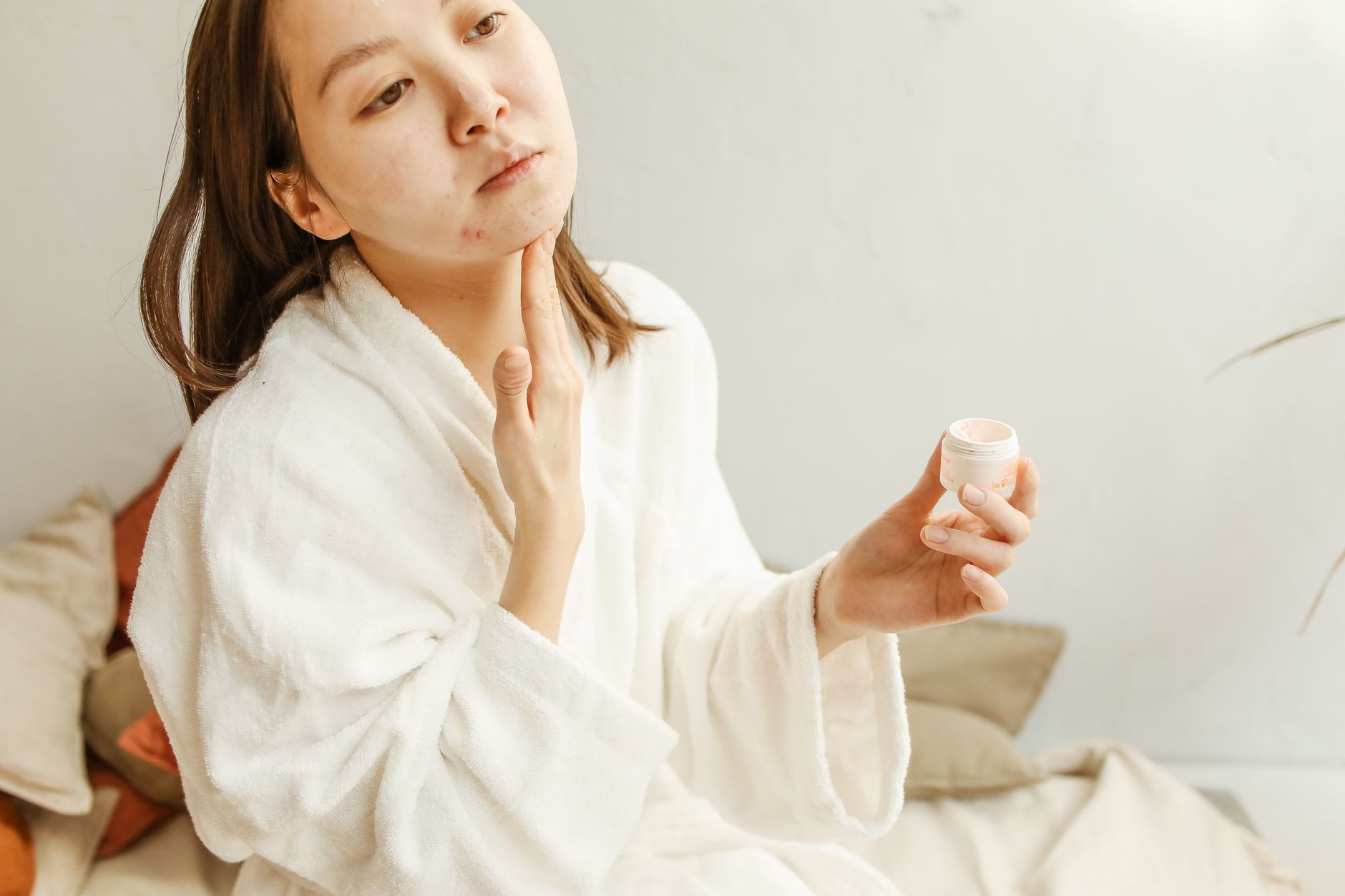
Cystic acne means large, painful, pus-filled lumps that form deep under the skin. Clearing them needs clinician-prescribed care that works over months, balanced against scarring and medication side effects, plus clear questions about fit and follow-up. Cleveland Clinic describes these lumps as clogged pores filled with oil, dead skin cells and bacteria. They appear most often on the face, chest, back and shoulders, where oil glands are dense.
Medical information disclaimer: This article is for general educational purposes only and does not provide medical advice, diagnosis, or treatment. Always consult a physician or other qualified health professional about symptoms, medications, tests, or treatment decisions.
Table of Contents
- Why do cysts get large and painful?
- What can prescriptions clear and how long does it take?
- What helps a large tender cyst or hormonal flares?
- What are the main risks and safety checks?
- What should you ask at your visit?
Why do cysts get large and painful?
Excess sebum, blocked follicles and Cutibacterium acnes inflammation drive acne. University of Michigan Health explains that androgen stimulation raises sebum, while follicle blockage traps oil and dead skin, inviting bacterial inflammation (University of Michigan Health acne library).
Flares often follow puberty, menses or pregnancy. Drugs such as corticosteroids, testosterone or lithium can also worsen disease.
What can prescriptions clear and how long does it take?
Dermatologist-prescribed topical retinoids, benzoyl peroxide, oral or topical antibiotics and hormonal therapies can clear cystic acne, Cleveland Clinic reports (Cleveland Clinic's cystic acne overview). Clearing typically takes at least three months.
Severe disease takes longer. That timeline matters for planning follow-up and judging whether a change is needed.
What helps a large tender cyst or hormonal flares?
A dermatologist can inject diluted corticosteroid directly into a large, tender cyst to shrink it quickly. The same visit may include incision-and-drainage for pressure and pain.
For women with hormonal disease, birth-control pills or spironolactone may help. Cleveland Clinic lists these as targeted options when breakouts follow a hormonal pattern.
What are the main risks and safety checks?
Touching, picking or popping cysts raises infection and permanent-scar risk. Cystic acne scars more readily than milder acne, so clinicians advise hands-off care and noncomedogenic skin products. Oral isotretinoin is reserved for severe nodular acne unresponsive to conventional therapy including systemic antibiotics.
The FDA prescriber guide says it can clear most such patients after a 15- to 20-week course, but it can cause severe birth defects, so patients who can become pregnant must use contraception and have serial negative pregnancy tests under iPLEDGE (FDA isotretinoin prescriber guide). Lipid and liver-enzyme elevations, severe dryness and a labeled warning for depression and suicidal thoughts require baseline and periodic monitoring, according to the 2024 AAD acne guideline summary (Medscape guideline summary). Ask about warning signs and when to call between visits.
What should you ask at your visit?
Bring your history, current products and pregnancy plans. Ask how each option fits your severity, skin type and scar risk. Bring a full medication list, including steroids, testosterone and lithium.
- Is this option right for my severity and scarring risk?
- How will we prevent scars and track progress?
- Do I need pregnancy testing, contraception or lab monitoring?
- What follow-up schedule and gentle skincare fit this plan?