
Cystic acne is deep, painful acne that forms nodules and cysts under the skin and can persist for weeks and leave permanent scars without early treatment. For 2026, it affects about 80% of adolescents at some point but also persists in adults, especially women, with care guided by the 2024 American Academy of Dermatology guideline and prompt dermatologist care for severe lumps.
A clogged pore traps oil, dead skin cells, and normal skin bacteria inside the follicle. That blockage triggers inflammation, redness, swelling, and pus. Cystic lesions sit deeper than blackheads or small pimples, so they hurt more and heal more slowly.
Medical information disclaimer: This article is for general educational purposes only and does not provide medical advice, diagnosis, or treatment. Always consult a physician or other qualified health professional about symptoms, medications, tests, or treatment decisions.
Table of Contents
- What makes cystic acne different
- Who gets it and why
- Which treatments have strong evidence
- When should you get expert care
What makes cystic acne different
A typical pimple affects the upper pore and clears in days. Cystic acne forms large, tender lumps deep under the skin, according to the American Academy of Dermatology's severe-acne guidance severe-acne information. Those lumps may feel soft or fluid-filled, last for weeks, and return in the same area.
Depth explains both pain and scarring risk. Inflammation spreads in surrounding tissue when the follicle wall breaks. Early treatment lowers the chance of lasting pits, dark marks, and thickened scars.
Who gets it and why
Acne most often starts in puberty when androgen hormones raise oil production, affecting about 80% of adolescents, as described in the University of Michigan Health overview acne overview from University of Michigan Health. It also continues into adulthood, especially in women around menstruation, pregnancy, and menopause.
Adult female breakouts often appear as deep, recurrent cysts along the chin, jawline, and lower face. Fluctuating estrogen, progesterone, and androgens play a role, along with stress, polycystic ovary syndrome, and changes in contraception. Excess sebum, shed skin cells, and trapped bacteria then start the inflammatory cycle inside the pore.
Which treatments have strong evidence
The 2024 American Academy of Dermatology acne guideline issued 18 evidence-based recommendations, with strong recommendations for benzoyl peroxide, topical retinoids, topical antibiotics and combinations, oral doxycycline, and oral isotretinoin for severe disease, reported in the 2024 acne guideline in the Journal of the American Academy of Dermatology 2024 acne treatment guideline. Those options target bacteria, clogged pores, inflammation, and excess oil through different routes.
Oral isotretinoin is reserved for severe resistant nodular acne that has not responded to usual therapy. Federal labeling limits it to nonpregnant patients age 12 and older with multiple inflammatory nodules 5 mm or larger because it can cause severe birth defects. A dermatologist weighs severity, scarring history, prior treatment, pregnancy plans, and side effects before prescribing any systemic drug.
When should you get expert care
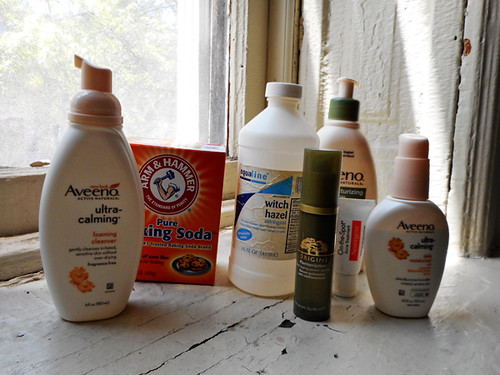
Drugstore products suit mild, scattered pimples. Deep, painful lumps need a different threshold because picking or squeezing worsens inflammation and scarring. People with painful deep lumps, spreading breakouts, scarring, or failure of drugstore care should see a board-certified dermatologist.
Bring a list of products used, prescription medicines, birth-control changes, menstrual patterns, and family acne history. Ask about diagnosis, scarring risk, suitable prescription options, expected timelines, and follow-up signs. Not every promoted remedy is proven, and the same 2024 guideline found evidence gaps for microbiology testing, hormone testing, non-tetracycline oral antibiotics, light and laser devices, and diet-based approaches.
- Painful lumps under the skin that last weeks or keep returning
- Breakouts that spread across the face, chest, or back
- Dark marks, pits, or thick scars forming after lesions heal
- No improvement after 6 to 8 weeks of consistent drugstore care
- Severe tenderness, swelling, or distress that affects sleep, work, or mood