
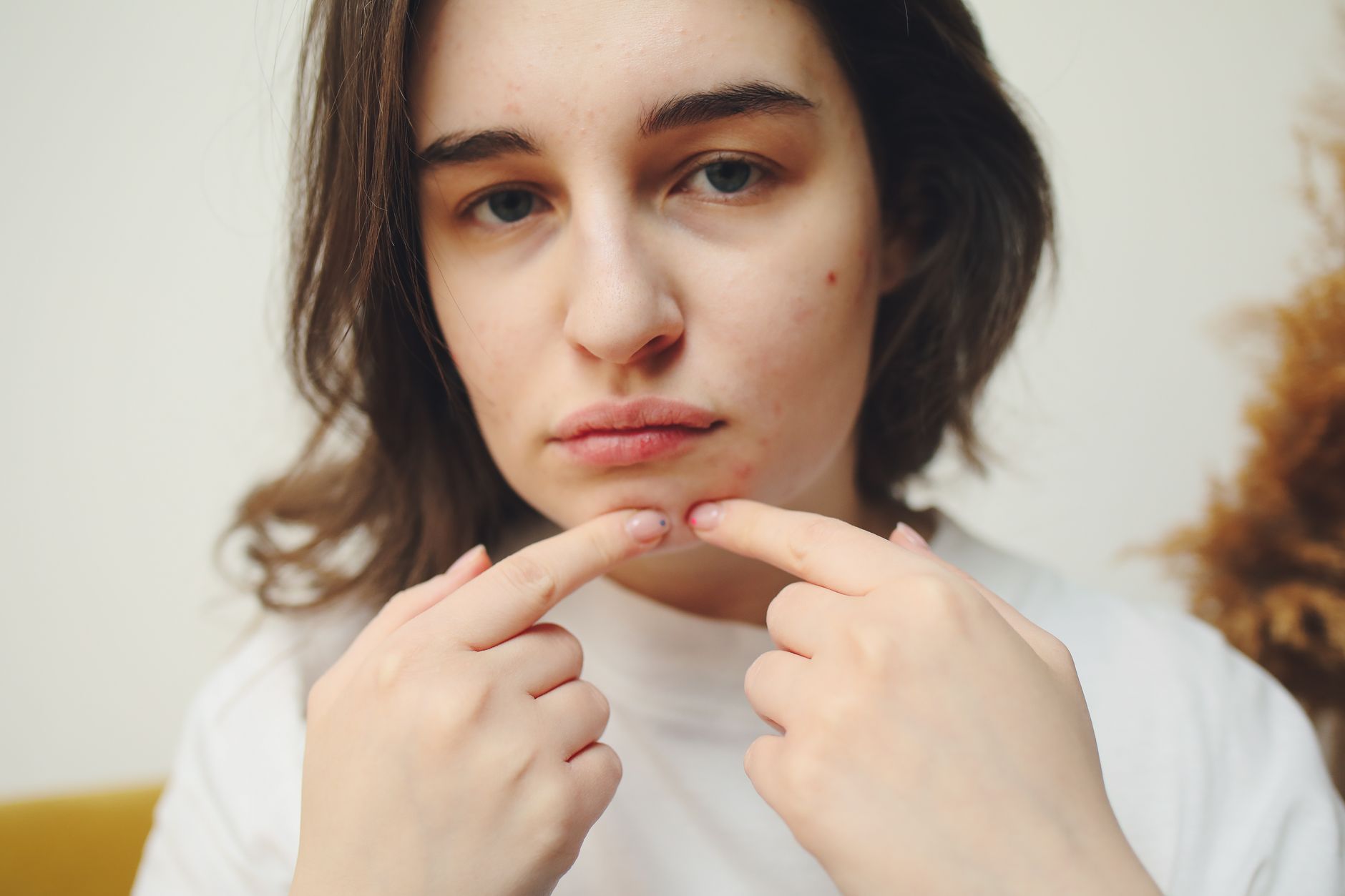
Combination therapy clears acne by attacking different causes at the same time. In practice, it means pairing ingredients that unclog pores, kill bacteria, and calm inflammation rather than relying on one product. Acne vulgaris develops through four interacting drivers — excess sebum, abnormal follicular keratinization causing plugs, proliferation of Cutibacterium acnes, and inflammation. A Springer review identifies those four pathways as the reason single-agent treatment often leaves acne pathways unaddressed the Springer review.
Medical information disclaimer: This article is for general educational purposes only and does not provide medical advice, diagnosis, or treatment. Always consult a physician or other qualified health professional about symptoms, medications, tests, or treatment decisions.
Table of Contents
- Why does one product often fall short?
- What do dermatology guidelines recommend?
- How do the paired ingredients divide the work?
- What does combined treatment look like day to day?
Why does one product often fall short?
A single ingredient usually handles one driver well but misses the others. A retinoid can help clogging, an antibiotic can lower bacteria, but neither controls oil, plugs, bacteria, and inflammation together.
That gap keeps breakouts cycling. Residual plugs trap sebum, bacteria grow in blocked follicles, and inflammation turns small plugs into tender lesions.
What do dermatology guidelines recommend?
Updated American Academy of Dermatology guidelines give strong recommendations for topical benzoyl peroxide, topical retinoids, topical antibiotics and their fixed-dose combinations, plus oral doxycycline, for most teens and adults with acne. The JAAD publication carries those recommendations for routine care the JAAD guidelines.
The guidelines specifically favor fixed-dose combinations of benzoyl peroxide plus retinoid, benzoyl peroxide plus antibiotic, or retinoid plus antibiotic. A Dermatology Advisor summary of the guidance notes that benzoyl peroxide should be added when retinoid plus antibiotic are combined to prevent resistance.
How do the paired ingredients divide the work?
Each class has a different job. Managed Healthcare Executive explains that adapalene as retinoid reduces inflammation and normalizes skin-cell growth to prevent clogged pores, while benzoyl peroxide kills acne bacteria and sheds dead cells to keep pores clear.
Antibiotics add another angle by reducing C. acnes populations and exerting anti-inflammatory effects. MDedge reporting on AAD guidance notes that antibiotic monotherapy is strongly discouraged because it promotes bacterial resistance and works less well than combined use.
What does combined treatment look like day to day?
On Oct. 20, 2023, FDA approved Cabtreo gel 1.2%/0.15%/3.1% for acne vulgaris in patients 12 and older, the first fixed-dose triple combination of clindamycin, adapalene and benzoyl peroxide for once-daily topical use. Bausch Health announced the approval as a once-daily option for adolescents and adults the Bausch Health approval announcement.
In two Phase 3 trials, 50.0% achieved treatment success with Cabtreo versus 22.6% with vehicle at 12 weeks. Bausch Health reported that result alongside typical topical irritation that can limit adherence the Bausch Health availability announcement. A Skin Therapy Letter clinician guide describes the usual pattern this way:.
- pair a retinoid or benzoyl peroxide simultaneously with any antibiotic course
- reassess in 6–8 weeks and adjust for response or irritation
- stop antibiotics once controlled, then maintain remission with topical retinoid to sustain clearance