
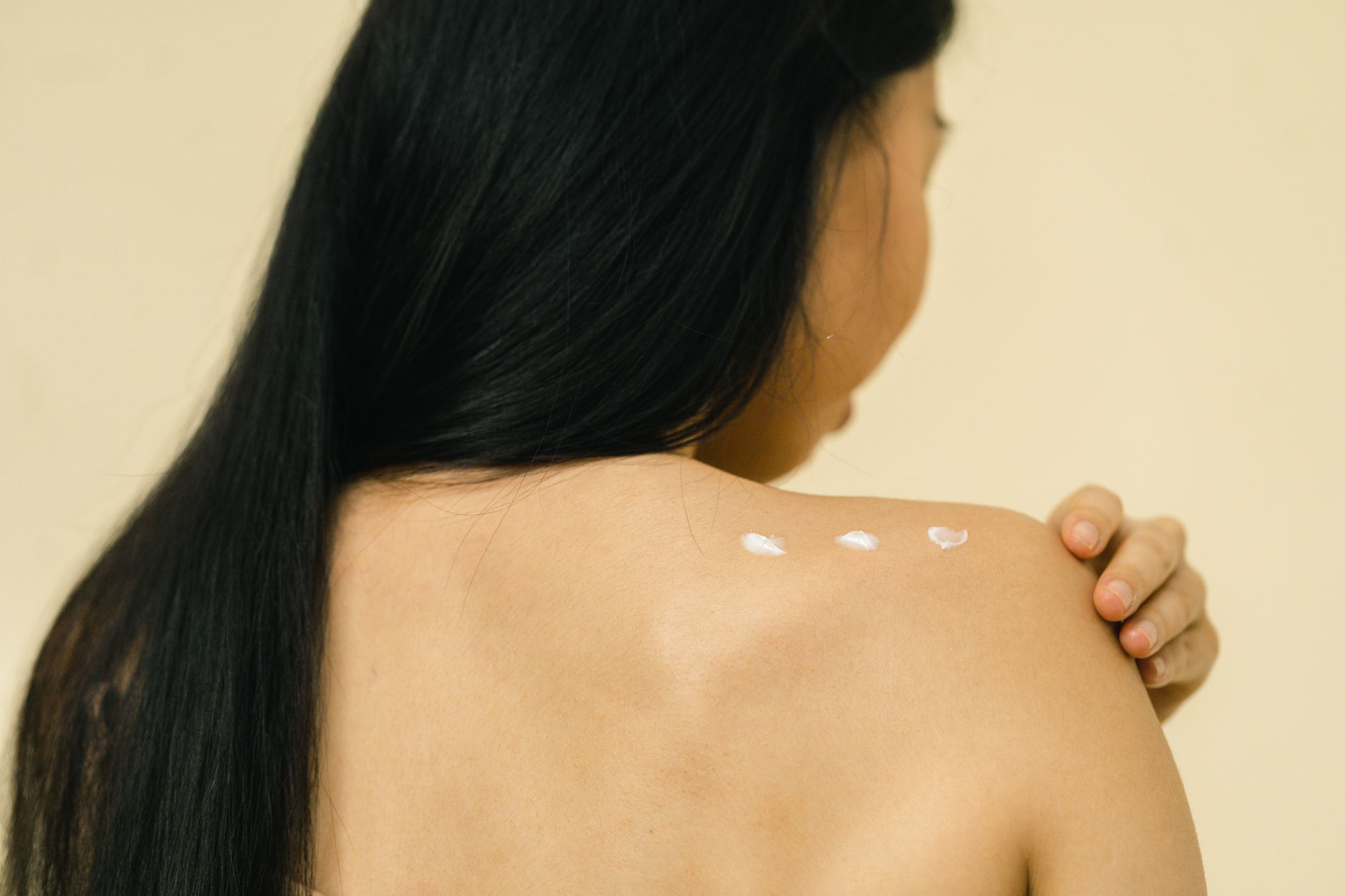
The best back acne treatment depends on extent and severity: limited breakouts often start with topical care, while extensive or severe back disease usually needs systemic therapy. Back acne means blackheads, tender red bumps and pus-filled spots across the back, shoulders and chest, where skin is thick and hard to reach. This guide helps you match treatment to your case, weigh practical trade-offs and plan follow-up. It focuses on decisions you can discuss with a clinician, not on trying prescription drugs on your own.
Medical information disclaimer: This article is for general educational purposes only and does not provide medical advice, diagnosis, or treatment. Always consult a physician or other qualified health professional about symptoms, medications, tests, or treatment decisions.
Table of Contents
- Does back acne need a topical or a pill?
- What can topicals do on the back?
- When do oral antibiotics or isotretinoin fit?
- Which trade-offs change daily life?
- What does good follow-up look like?
Does back acne need a topical or a pill?
Mild, scattered spots on an easy-to-reach area often start with topicals such as benzoyl peroxide, a retinoid or a combination product. Apply once daily as directed, using enough to cover the affected zone without scrubbing or picking. Extensive red bumps and pus-filled spots often point toward systemic therapy rather than topical treatment alone.
The Canadian clinical practice guideline directs clinicians to consider systemic therapy for extensive papulopustular acne or areas poorly suited to topicals such as the back Canadian guideline. Severe back disease, including nodules, deep painful lumps or widespread scarring, may require isotretinoin. Updated acne guidance gives strong recommendations for topical benzoyl peroxide, topical retinoids, topical or oral antibiotics and fixed-dose combinations, reserving oral isotretinoin for severe acne American Academy of Dermatology updated guidelines.
What can topicals do on the back?
Topical benzoyl peroxide lowers bacteria and inflammation on the surface and inside pores. It works best paired with a topical retinoid, which helps keep pores clear, or as part of a fixed-dose combination with an antibiotic. A pooled analysis found fixed-dose clindamycin 1.2 percent, adapalene 0.15 percent and benzoyl peroxide 3.1 percent gel applied to trunk plus face was well tolerated over 12 weeks with no new safety signals.
That result matters for back treatment because trunk skin often reacts with dryness, stinging or irritation. Reach and consistency decide success. Use a long handle applicator, ask for help for the mid-back, treat the full breakout zone and keep the routine simple enough to repeat daily.
When do oral antibiotics or isotretinoin fit?
Oral antibiotics suit widespread inflammatory back acne when topicals alone are impractical or too slow. To curb resistance, oral antibiotics should be used for the shortest course, generally limited to 3 to 4 months, always with benzoyl peroxide and usually a topical retinoid. Doxycycline is a first-line oral option but raises sun sensitivity.
Plan for sunscreen, hats, reapplication and a short sun check before long outdoor time, since burns and tans can worsen irritation. Isotretinoin is reserved for severe acne, which includes severe back disease, and it prevents pregnancy during use through strict controls. Any amount carries extremely high risk of severe birth defects, so it must not be used if pregnancy is possible without strict prevention and is dispensed in the U.S. only through iPLEDGE, according to the FDA iPLEDGE safety program FDA iPLEDGE information.
Which trade-offs change daily life?
Bleaching is the most common surprise with benzoyl peroxide. It reduces inflammation and bacteria but bleaches clothing, towels and bedding, a practical trade-off that especially affects back and chest use, reports the Skin Therapy Letter truncal acne guide Skin Therapy Letter truncal guide.
Sun, dryness and irritation are the next trade-offs. Retinoids and doxycycline increase sensitivity, while benzoyl peroxide can dry shirts and skin. Moisturize nearby dry skin only, avoid extra acne scrubs and pause added actives when peeling starts.
- Choose white sheets, towels and undershirts during treatment weeks.
- Let the product dry before dressing or lying down.
- Wash hands after applying and avoid colored pillowcases for night treatment.
What does good follow-up look like?
Track spots, pain, dark marks and scars every 4 to 12 weeks, plus side effects and missed doses. Bring photos in the same light, a list of washes and leave-on products, and notes on workouts, friction from packs and pads, and menstrual timing when relevant. Relapse planning matters because 94 of 405 isotretinoin patients, or 23.2 percent, relapsed enough to seek retreatment, with 80.9 percent of relapses within 2 years.
Ask when to return sooner, what maintenance topical to keep after clearing and what change signals a need for a new plan. Shower promptly after workouts with an oil-free or noncomedogenic cleanser, or a benzoyl peroxide or salicylic acid cleanser. Change out of sweaty shirts, rinse back straps and sports gear, and avoid sitting in damp clothing.