
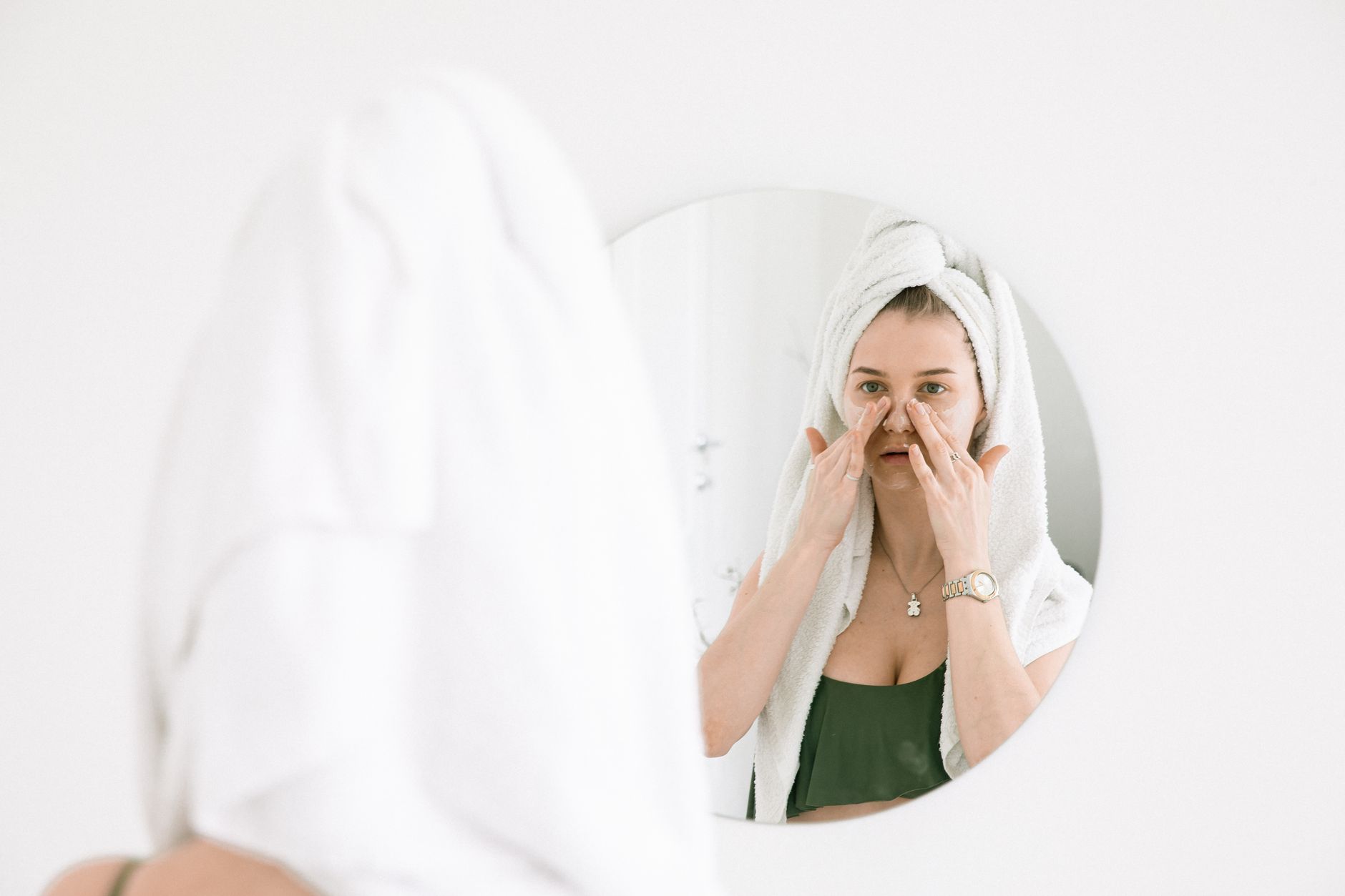
Papulopustular acne is an inflammatory acne subtype with red, tender papules and pus-filled pustules. Dermatologists treat it with topical retinoids, benzoyl peroxide, fixed-combination gels, and oral doxycycline for more extensive cases. It often appears with comedones, or clogged pores, and carries risk of pain and scarring. Early treatment of inflammatory spots matters because picked or lingering lesions scar more easily.
Medical information disclaimer: This article is for general educational purposes only and does not provide medical advice, diagnosis, or treatment. Always consult a physician or other qualified health professional about symptoms, medications, tests, or treatment decisions.
Table of Contents
- What symptoms look and feel like
- Why these breakouts form
- What helps mild-to-moderate cases
- Care for more extensive, severe, or scarring acne
What symptoms look and feel like
Papules are small, red, tender bumps without visible pus. Pustules are similar red bumps with a white or yellow pus center. Both can feel sore to touch.
According to the UCSF Hospital Handbook, this subtype often includes comedones along with papules and pustules and can cause pain and scarring (UCSF acne handbook). Breakouts often sit on the face, chest, back, or shoulders. Redness and tenderness help separate them from blackheads alone.
Why these breakouts form
Acne most often starts in adolescence at puberty. Indiana University reports that androgens enlarge sebaceous glands and raise sebum, which mixes with dead skin cells and Cutibacterium acnes to clog pores.
That clog can form a comedone. When the wall irritates or ruptures, the immune response creates a red papule or pus-filled pustule. This sequence explains why papulopustular acne mixes clogged pores with inflamed spots.
What helps mild-to-moderate cases
European S3 guidance recommends topical retinoids such as adapalene for comedonal acne. For mild-to-moderate papulopustular acne, it recommends fixed combinations of adapalene plus benzoyl peroxide or clindamycin plus benzoyl peroxide.
Canadian clinical practice guidance also strongly recommends topical retinoids, benzoyl peroxide, and fixed-dose clindamycin-benzoyl peroxide or adapalene-benzoyl peroxide gels for localized mild-to-moderate papulopustular acne (Canadian acne guideline). Combination gels are preferred over topical antibiotics alone because single-antibiotic use raises resistance risk. A dermatologist can match the gel strength and base to skin sensitivity and spread.
Care for more extensive, severe, or scarring acne
For more extensive moderate papulopustular acne, clinician guidance adds a systemic antibiotic, usually doxycycline, to topical retinoid plus benzoyl peroxide. After the antibiotic course stops, topical retinoid maintenance helps hold remission. The 2024 American Academy of Dermatology update strongly recommends benzoyl peroxide, topical retinoids, topical antibiotics and combinations, plus oral doxycycline.
It also recommends oral isotretinoin for severe, scarring, psychosocially burdensome, or treatment-resistant acne. Isotretinoin is highly effective but teratogenic, so FDA iPLEDGE information requires registration, pregnancy prevention, and dispensing only through registered prescribers and pharmacies (FDA iPLEDGE information). Daily habits support medical treatment and lower scar risk:.
- Wash gently and avoid harsh scrubbing.
- Do not pick, squeeze, or scratch papules and pustules.
- Seek prompt care for painful, inflamed, or spreading lesions.