
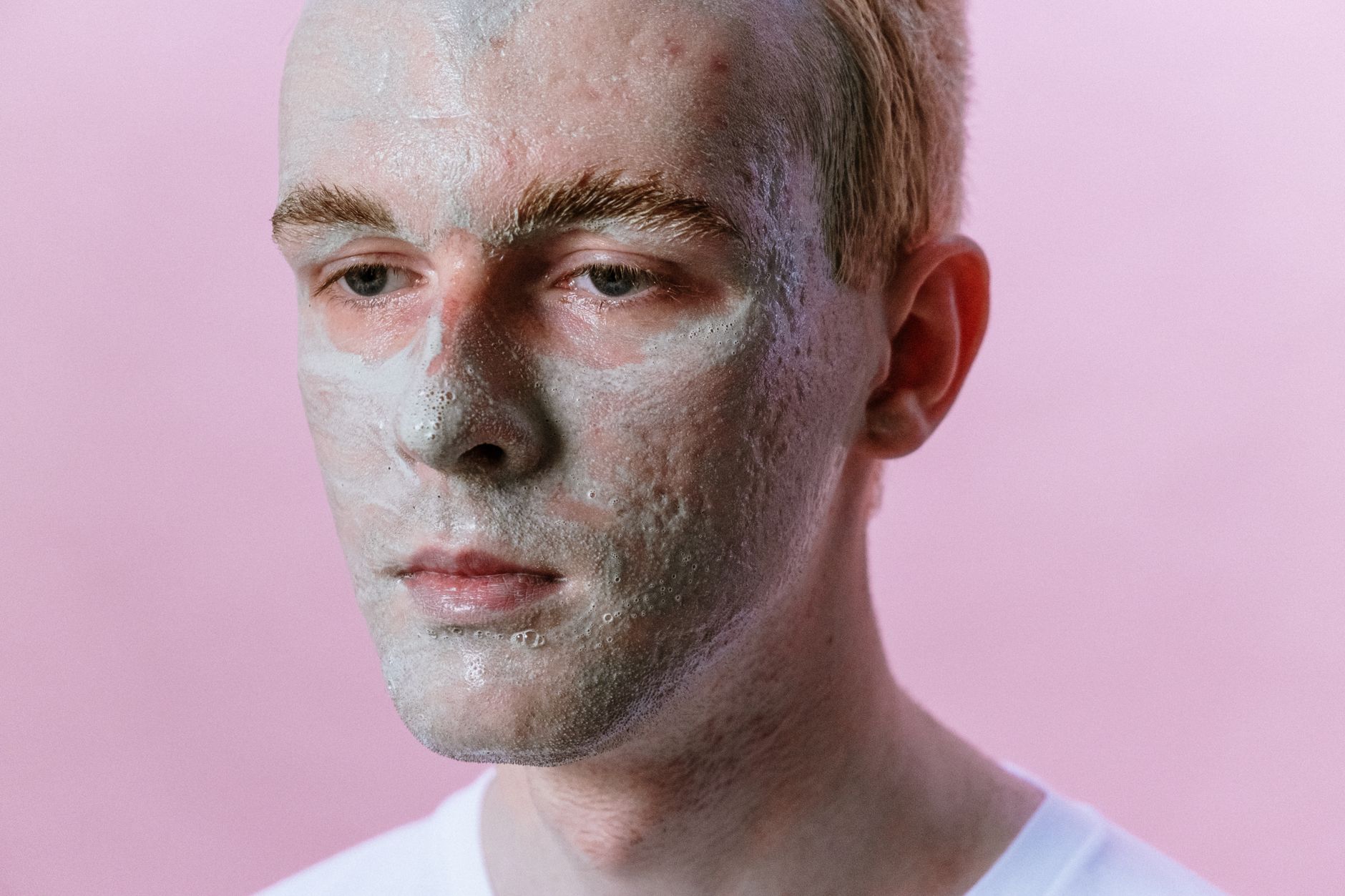
Chin acne is breakouts on the chin and jawline that affect adult women most often, with hormonal shifts as a common trigger. For 2026, evidence supports combination topical care, oral drugs for severe cases, and prompt medical care for persistent or scarring lesions. Acne means plugged hair follicles that form blackheads, whiteheads, pimples, and deeper painful lesions that can scar. Acne forms when hair follicles plug with excess oil and dead skin cells, according to NHS in its acne overview.
Medical information disclaimer: This article is for general educational purposes only and does not provide medical advice, diagnosis, or treatment. Always consult a physician or other qualified health professional about symptoms, medications, tests, or treatment decisions.
Table of Contents
- Who gets chin acne?
- Why does the chin and jawline flare?
- Which treatments does evidence support?
- What should you do next?
Who gets chin acne?
Adult acne affects women far more than men, often on the lower face. One 2008 study found acne in about 50% of women ages 20-29 and 25% of women ages 40-49, according to Healthline. Many of those breakouts center on the chin and jawline.
Teenagers can develop chin pimples too, but adult patterns differ. Adult chin acne tends to return in the same zone. Painful or deep lumps there deserve closer attention.
Why does the chin and jawline flare?
Menstrual cycles, pregnancy, and perimenopause can trigger chin and jawline breakouts in adult women. Starting or stopping birth-control pills, PCOS-related androgens, and stress are other common triggers, noted by UC San Diego Health Library in its chin acne page.
Comedogenic products can also play a role. Comedogenic means pore-clogging, including some hair and skin products. These products trap oil and dead cells near the chin and jaw.
Which treatments does evidence support?
Treatment aims to heal lesions, stop new lesions, and prevent scarring. The National Institute of Arthritis and Musculoskeletal and Skin Diseases states care targets abnormal cell clumping in follicles, sebum, bacteria, and inflammation. The American Academy of Dermatology's updated 2024 acne guidelines strongly recommend topical benzoyl peroxide, retinoids, and antibiotics in combination, plus oral doxycycline, according to Dermatology Times in its February 2024 summary.
The same guidelines reserve oral isotretinoin for severe, scarring, or treatment-resistant acne. Sunlight is not a proven fix. NHS states there is no conclusive evidence that prolonged sunlight, sunbeds, or sunlamps improve acne. Many acne medicines also increase light sensitivity and risk of skin damage.
What should you do next?
See a GP or dermatologist for persistent, painful, widespread, or scarring chin acne. A clinician can tailor prescription, hormonal, or combination therapy to the pattern and severity.
Consistency matters more than adding extra products. Track flares with periods, product changes, stress, and missed doses. Bring that record to the visit and ask about prescription or combination options.
- Do not pick or squeeze lesions
- Keep chin-area skin care and hair products noncomedogenic
- Follow the prescribed routine and allow several weeks to judge improvement
- Return sooner if pain, swelling, spreading, or scarring worsens