
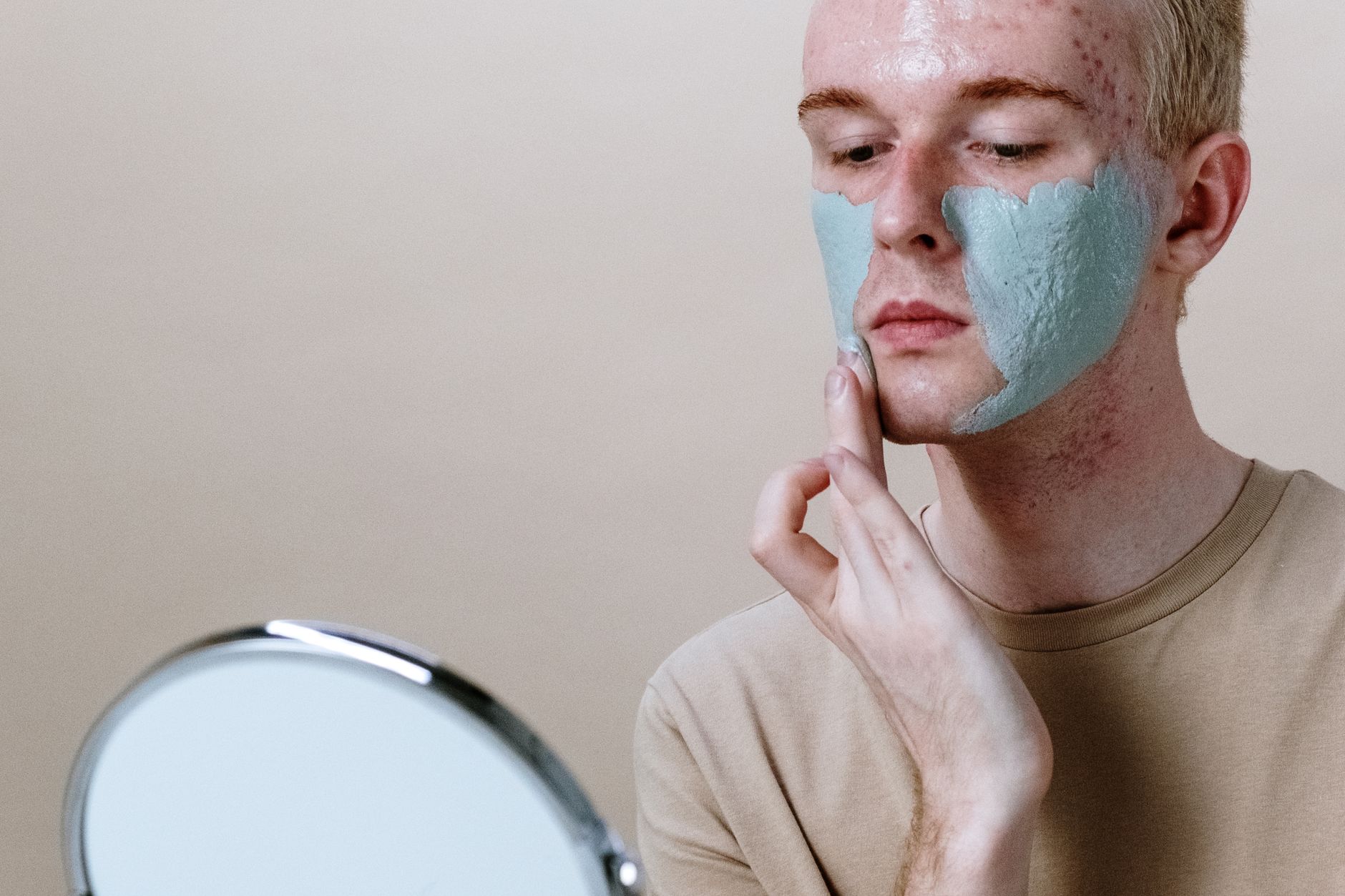
Inflammatory acne means red papules, pus-filled pustules, and deep painful nodules or cysts. Key facts cover what triggers inflammation, which treatments guidelines recommend, and what safety limits and next steps matter. The American Academy of Dermatology reports acne affects up to 50 million Americans each year, including teenagers and adults. Inflammatory nodules carry the highest risk of pain and permanent scarring.
Medical information disclaimer: This article is for general educational purposes only and does not provide medical advice, diagnosis, or treatment. Always consult a physician or other qualified health professional about symptoms, medications, tests, or treatment decisions.
Table of Contents
- What counts as inflammatory acne?
- Why does acne become inflamed?
- Which treatments do guidelines recommend?
- What safety limits should you know?
- When should you see a clinician?
What counts as inflammatory acne?
Papules are small red bumps without visible pus. Pustules have visible pus at the center and look inflamed around the base.
Nodules and cysts sit deeper, feel tender or painful, and last longer. The National Institute of Arthritis and Musculoskeletal and Skin Diseases explains that they form when a plugged follicle wall breaks down and spills sebum, skin cells and bacteria into nearby skin, described further on the NIAMS acne page.
Why does acne become inflamed?
NIAMS explains that hair, sebum and keratinocytes can stick together inside the pore. The resulting plug encourages bacterial growth and inflammation.
Hormones, excess oil and certain medications can contribute to that process. A surface plug alone may stay mild, while wall breakdown brings deeper redness, swelling and pain.
Which treatments do guidelines recommend?
The 2024 American Academy of Dermatology guidelines strongly recommend topical benzoyl peroxide to reduce acne bacteria, topical retinoids to clear pores, topical antibiotics, and oral doxycycline, according to the JAAD guideline publication. Fixed-dose combinations are often used.
The same AAD guidelines strongly recommend oral isotretinoin for severe acne, acne causing scarring or psychosocial burden, or acne failing standard topical or oral therapy. Isotretinoin helps because it targets all major pathogenic factors.
What safety limits should you know?
Isotretinoin must not be used in pregnancy because it can cause birth defects, miscarriage, stillbirth and premature birth. The FDA requires avoiding pregnancy one month before, during, and one month after treatment under the iPLEDGE safety program, as stated in the FDA drug label on DailyMed. The FDA label also warns isotretinoin may cause serious mental-health problems including depression, psychosis and suicidal thoughts.
Stop the drug and seek prompt medical evaluation for mood, behavior or sleep changes. Picking, popping or squeezing inflammatory lesions pushes bacteria deeper, worsens pain and swelling, and increases permanent scar risk. Topical or oral antibiotics used alone can promote bacterial resistance, so guidelines favor combining them with benzoyl peroxide and limiting treatment duration.
When should you see a clinician?
Cleveland Clinic and AAD guidance point to prompt care for painful deep nodules. Diagnosis, prescription therapy or procedures may be needed when lesions spread or scar.
- Painful deep nodules or spreading lesions
- Scarring or lasting dark marks
- No improvement after 6-8 weeks of over-the-counter care
- Significant distress about appearance or pain