
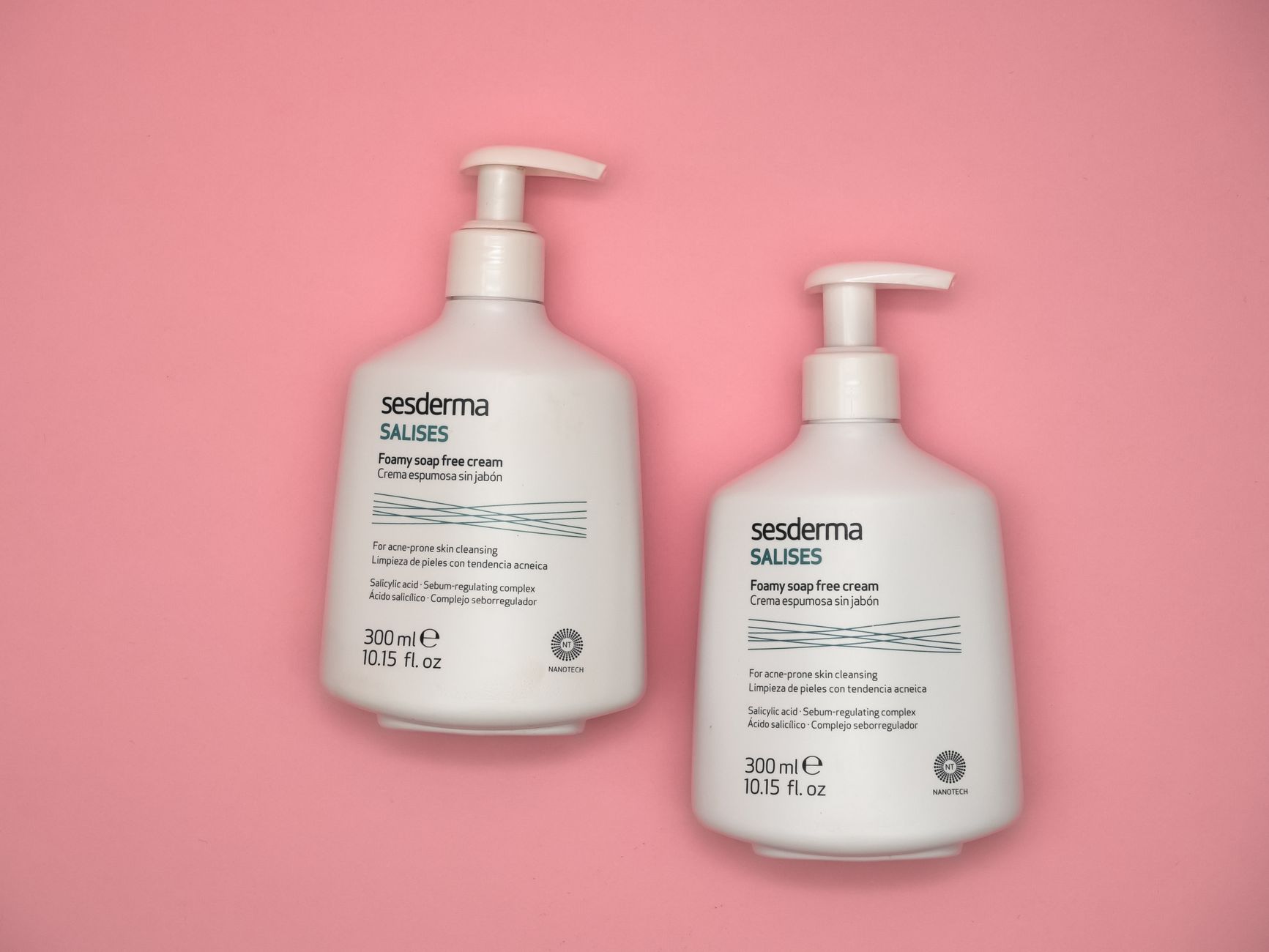
So-called fungal acne is Malassezia folliculitis, yeast overgrowth inside hair follicles, not clogged-pore acne vulgaris. Treatment evidence is limited to small studies, and the wrong drug brings safety risks, so confirm which disease you have first. Dermatology Times reports it favors the chest, back, shoulders and forehead, where yeast thrives in warm, oily follicles, in diagnostic differences. This guide explains the clues, tests, and treatment limits you can act on.
Medical information disclaimer: This article is for general educational purposes only and does not provide medical advice, diagnosis, or treatment. Always consult a physician or other qualified health professional about symptoms, medications, tests, or treatment decisions.
Table of Contents
- Is it yeast or acne?
- Why do acne antibiotics fail here?
- How do clinicians confirm it?
- What helps, what are the limits, and what is unsafe?
Is it yeast or acne?
Yeast folliculitis usually looks uniform. It forms small, red, itchy papules and pustules of similar size and age. Acne vulgaris looks mixed, with blackheads, whiteheads, inflamed pimples, nodules, or cysts.
Itch and comedones help separate them. Yeast lesions are often itchy and lack blackheads, whiteheads, nodules, or cysts. Acne lesions are usually less itchy and include comedones. Compare your breakouts directly:.
- uniform, itchy red bumps without blackheads points toward yeast
- mixed blackheads, whiteheads, deep lumps, or cysts points toward acne
- chest, back, shoulders, or forehead breakouts need closer inspection
Why do acne antibiotics fail here?
Antibiotics for acne do not clear yeast folliculitis. They target bacteria and clogged pores, not Malassezia yeast. By disrupting normal skin flora, they can allow yeast to persist or worsen.
Suspect yeast when breakouts stay unchanged after months of antibiotics. Worsening itch, uniform pustules, or spread on the trunk also raise concern. The American Osteopathic College of Dermatology resource and a dermatology review urge reassessment in that setting.
How do clinicians confirm it?
Clinicians confirm suspected yeast folliculitis by microscopic examination of material scraped from a pustule. The microscope shows yeast directly in the sample.
Culture has little clinical value for this decision. Danish evidence-based guidelines recommend microscopy before starting systemic antifungal therapy, according to NCBI StatPearls in Malassezia guidance. Ask whether a scraping was done, what it showed, and what else could explain uniform itchy lesions.
What helps, what are the limits, and what is unsafe?
A Journal of Fungi systematic review found the most reliable course is oral fluconazole or itraconazole for 1 to 4 weeks, as summarized in treatment review. Topical antifungals penetrate follicles less consistently. Recurrence within 3 to 4 months is common and often requires maintenance therapy. Oral ketoconazole tablets are not a safe substitute.
The FDA warns they carry a boxed warning for potentially fatal liver injury, adrenal problems, and drug interactions in FDA safety warning. The agency says they are not first-line for any fungal infection. For confirmed acne vulgaris, American Academy of Dermatology 2024 guidelines strongly recommend benzoyl peroxide, topical retinoids and combinations, plus selected use of doxycycline or isotretinoin. Ask which disease you have, why that treatment fits, what monitoring you need, and when to return. Bring a list of prior antibiotics, current products, itch pattern, and dated photos.
You Might Also Like
- What Is New With Fungal and Acne in October 2026? Latest FDA and dermatology sources and Key Takeaways
- Pediatric Acne and Rosacea at the 2026 AAD Annual Meeting: Skin-Care Routine Questions for Parents of Children With Acne
- Why Did Lili Reinhart Do Her Makeup in the Dark? Her September 2026 Acne Interview