
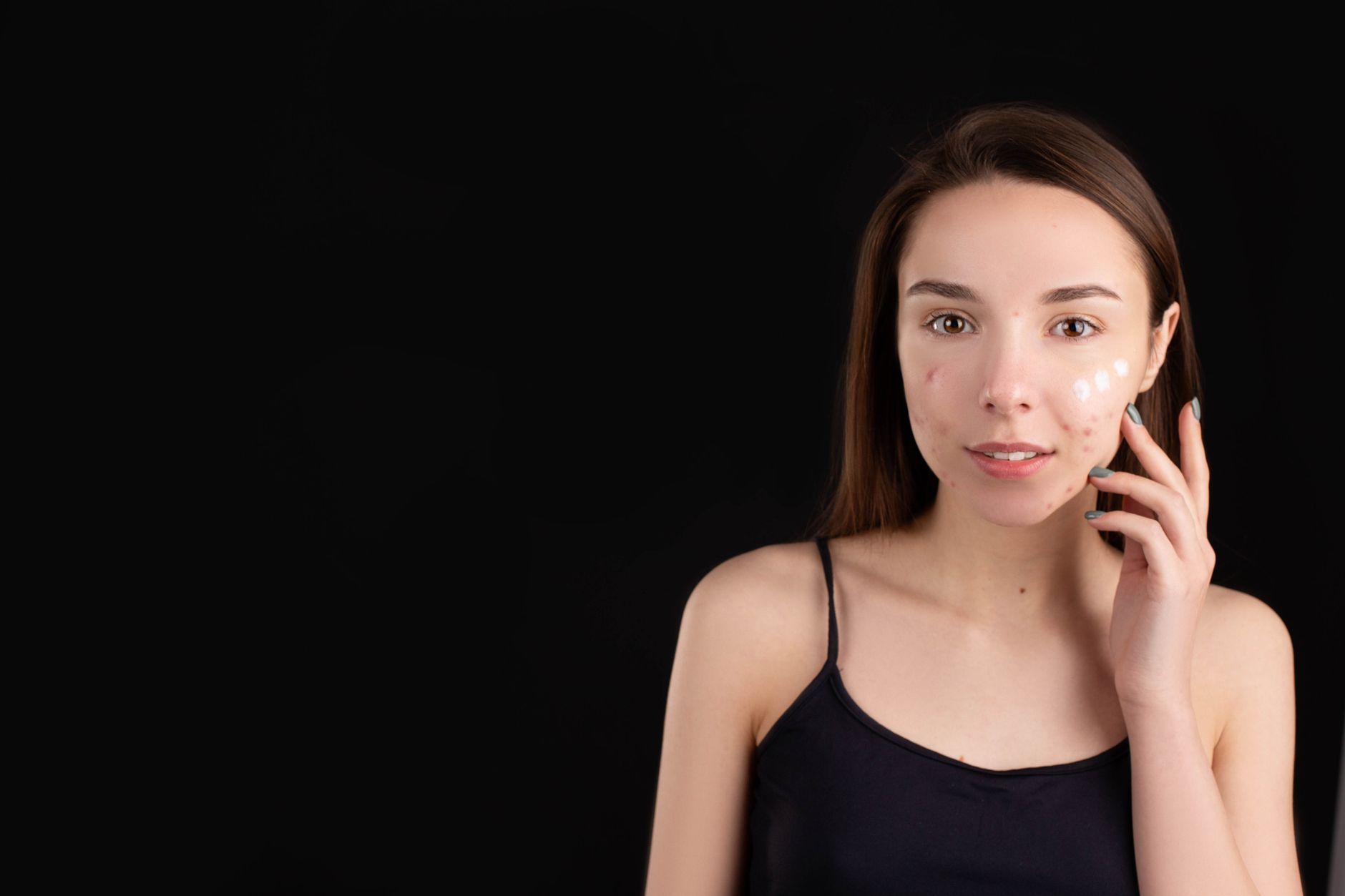
Hormonal acne is triggered by fluctuations in hormone levels—primarily androgens—that increase oil production in the skin and create an environment where acne-causing bacteria thrive. Unlike acne caused by bacteria alone or poor hygiene, hormonal acne tends to appear in predictable patterns linked to the menstrual cycle, puberty, pregnancy, menopause, or underlying hormonal conditions like polycystic ovary syndrome (PCOS). A woman in her late twenties might experience clear skin for weeks, then develop a cluster of deep, painful cysts along the jawline and chin just before her period—a hallmark pattern of hormonal acne that confuses many people because it contradicts the outdated belief that acne is simply a teenage problem.
Hormonal acne is also uniquely stubborn because topical treatments alone rarely resolve it. The inflammation and breakouts originate from within the skin’s oil glands, which are directly responsive to hormone signals. This means a spot treatment or salicylic acid wash, while helpful for general breakout prevention, cannot address the root cause. Understanding what drives hormonal acne—and how to interrupt those signals—is essential for anyone dealing with recurring breakouts tied to their cycle or hormonal health.
Medical information disclaimer: This article is for general educational purposes only and does not provide medical advice, diagnosis, or treatment. Always consult a physician or other qualified health professional about symptoms, medications, tests, or treatment decisions.
Table of Contents
- What Hormones Trigger Acne and How?
- Conditions That Cause Hormonal Acne Beyond the Monthly Cycle
- How to Identify If Your Acne Is Hormonal
- Medical Treatment Options for Hormonal Acne
- Why Hormonal Acne Doesn’t Always Respond to Standard Treatments
- Skincare Considerations for Hormonal Acne–Prone Skin
- Lifestyle and Dietary Factors in Hormonal Acne Management
What Hormones Trigger Acne and How?
The primary hormones responsible for acne are androgens, a group of male hormones present in all bodies but typically in higher amounts in people assigned male at birth. Androgens stimulate the sebaceous glands (oil glands) in the skin to produce more sebum, a waxy substance that protects the skin. When sebum production increases, the follicle wall becomes coated with excess oil, trapping dead skin cells and bacteria inside. The bacterium Cutibacterium acnes (formerly Propionibacterium acnes) then multiplies in this oxygen-poor environment, triggering inflammation and the visible breakout. The difference between hormonal acne and other types is that this cascade is directly controlled by hormone levels rather than triggered purely by external factors like dirt or bacteria introduction.
In people with ovaries, the menstrual cycle itself creates predictable shifts in androgen levels. During the luteal phase (the two weeks after ovulation), progesterone rises while estrogen falls—a combination that can increase sebum production. This is why many people notice breakouts peaking in the week before their period. Additionally, some individuals have higher sensitivity to normal levels of androgens, a condition sometimes called androgen sensitivity. This means even average hormone levels can cause excessive oil production and acne, whereas someone else with identical hormone levels might have clear skin.
Conditions That Cause Hormonal Acne Beyond the Monthly Cycle
Polycystic ovary syndrome (PCOS) is one of the most common hormonal conditions triggering acne, affecting roughly 8-13% of people with ovaries of reproductive age. PCOS causes the ovaries to produce excess androgens, often accompanied by irregular periods and difficulty conceiving. The high androgen levels in PCOS drive persistent, sometimes severe acne that doesn’t respond to standard skincare routines and often appears alongside body hair growth and male-pattern hair loss on the scalp. Treating PCOS-related acne typically requires addressing the underlying hormone imbalance, not just treating the skin.
Other hormonal causes include thyroid disorders, which can disrupt the balance of hormones regulating sebum production; adrenal gland disorders, which produce excess androgens; and certain medications like corticosteroids or hormonal birth control that can shift hormone levels unexpectedly. Pregnancy hormones surge, often causing temporary acne flares in the first and second trimesters. Perimenopause and menopause bring significant hormone fluctuations that can rekindle acne even in people who had clear skin for decades. One limitation of hormonal acne is that treating the acne itself—with antibiotics or retinoids—does nothing to address the underlying hormonal imbalance. This is why acne often resurfaces once treatment stops if the hormonal trigger is not also managed.
How to Identify If Your Acne Is Hormonal
Hormonal acne typically appears in a distinctive pattern: concentrated along the lower face, jawline, chin, and occasionally the upper back and chest. These areas have the highest concentration of oil glands and are most sensitive to androgen signals. The breakouts tend to be deeper than surface-level pimples—often appearing as cystic acne, which forms underneath the skin as painful, inflamed nodules that don’t come to a whitehead. Hormonal acne is also usually inflammatory rather than comedonal, meaning you see fewer blackheads and whiteheads and more red, swollen lesions.
A strong indicator of hormonal acne is the timing relative to the menstrual cycle. Keeping a simple log of breakouts and cycle dates can reveal whether your acne worsens consistently 7 to 10 days before your period. Another sign is acne that appears or worsens after starting a new hormonal birth control, stopping hormonal contraception, or beginning menopause. If you’ve tried multiple topical acne treatments—benzoyl peroxide, salicylic acid, retinoids—for weeks without improvement, that’s also suggestive of a hormonal component. Many people have mixed acne (both bacterial and hormonal), which is why some acne improves with topical treatments while deep cystic breakouts persist regardless of skincare.
Medical Treatment Options for Hormonal Acne
Hormonal birth control is the most common first-line treatment for hormonal acne because it stabilizes the hormone fluctuations that trigger breakouts. Birth control pills containing a combination of estrogen and progestin help lower androgen levels or reduce androgen sensitivity. Examples include formulations like norgestimate-ethinyl estradiol or drospirenone-ethinyl estradiol, which have both FDA approval for acne and clinical evidence supporting their effectiveness. However, acne improvement with birth control typically takes 3 to 6 months, and some birth control formulations (particularly progestin-only pills or those high in androgenic progestins) can worsen acne instead. This means the first birth control tried is not always the best one, and switching formulations may be necessary. Spironolactone is an oral medication that blocks the effects of androgens on the skin’s oil glands. It’s particularly effective for hormonal acne in people with PCOS or androgen sensitivity, often used as an additional treatment alongside birth control or retinoids.
A typical starting dose is 25 to 50 mg daily, increased gradually to 100 to 200 mg as tolerated. Spironolactone works by preventing androgens from binding to receptors in sebaceous glands, reducing sebum production and thus acne. The tradeoff is that spironolactone requires regular potassium monitoring through blood tests and can cause side effects like breast tenderness, irregular periods, or electrolyte imbalances. For this reason, it’s typically prescribed by dermatologists or gynecologists who can monitor its safety over time, not by general practitioners without experience in hormonal acne management. Retinoids—including prescription retinoids like tretinoin and adapalene—accelerate skin cell turnover and reduce inflammation, making them effective against all types of acne including hormonal acne. Retinoids can be combined with hormonal treatments to address both the hormonal trigger and the inflammatory acne response. The limitation is that retinoids are not tolerated by everyone; they cause redness, peeling, and sensitivity in the initial weeks and require careful use with sunscreen. They also carry a risk of birth defects if used during pregnancy, so anyone on tretinoin must use reliable contraception.
Why Hormonal Acne Doesn’t Always Respond to Standard Treatments
A common frustration is that people with hormonal acne try antibiotics like doxycycline or minocycline and see temporary improvement, only to have acne return within months of stopping treatment. This happens because antibiotics reduce bacterial growth but don’t address the hormonal signal driving increased sebum production. Once the antibiotic is discontinued, the underlying hormonal imbalance remains, sebum production increases again, and acne returns. This is why short-term antibiotic courses are ineffective for hormonal acne as a standalone treatment, though they may help manage inflammation during the time it takes for hormonal treatments (like birth control or spironolactone) to take effect.
Another pitfall is that dermatologists or primary care doctors sometimes prescribe topical retinoids or benzoyl peroxide to someone with hormonal acne without also offering hormonal treatment. While these topicals can help, they typically achieve only partial control when used alone. A person might reduce their acne by 30 or 40% but remain frustrated by ongoing breakouts. The warning here is not to assume that months of strict skincare compliance or product switching will resolve hormonally driven acne; if breakouts are clearly hormonal, hormonal treatment is necessary, and topical treatments are a helpful addition rather than a substitute.
Skincare Considerations for Hormonal Acne–Prone Skin
While skincare alone cannot treat hormonal acne, a gentle, targeted routine can reduce irritation and support medical treatment. People with hormonal acne typically have oily, sensitized skin because both the hormonal drive to produce sebum and the inflammation from acne create a compromised barrier. A routine that over-strips the skin with harsh cleansers or excessive exfoliation can trigger irritation, making acne worse. A gentle fragrance-free cleanser, a non-comedogenic moisturizer appropriate for oily skin, and daily sunscreen form the foundation.
Adding a prescribed retinoid or benzoyl peroxide on top of this base can be effective, but introducing these alongside multiple other actives often leads to irritation and abandonment of treatment. One specific example: a person with hormonal cystic acne and oily skin might use a gentle gel cleanser, a lightweight gel moisturizer with niacinamide (which can help regulate sebum), and a broad-spectrum SPF 30+ daily. Once hormonal treatment like birth control begins, they might add a low-concentration retinoid (like adapalene 0.1%) two to three times weekly, gradually increasing frequency. Switching to products with salicylic acid, trying multiple actives at once, or layering heavy serums typically backfires, causing irritation that worsens inflammation and makes it harder to tell whether the hormonal treatment is actually working.
Lifestyle and Dietary Factors in Hormonal Acne Management
Diet has a complex relationship with hormonal acne. While no food directly causes acne, some research suggests that high-glycemic foods and dairy may trigger inflammation in people predisposed to acne, potentially worsening hormone-driven breakouts. High-glycemic diets (heavy on refined carbohydrates and sugars) can raise insulin levels, which in turn increases androgen production. Dairy, particularly skim milk, contains hormones naturally present in the milk that may have weak androgenic effects. This doesn’t mean everyone with hormonal acne must eliminate dairy or carbohydrates, but keeping a food diary to identify personal triggers can be valuable. Some people notice that reducing processed foods and refined sugars correlates with fewer breakouts; others see no connection.
Stress and sleep also influence hormonal acne indirectly. Chronic stress elevates cortisol, which can stimulate androgens and worsen breakouts. Poor sleep disrupts the hormonal balance and impairs the skin’s ability to repair and regenerate. Regular physical activity, adequate sleep (7 to 9 hours nightly), and stress management through exercise, meditation, or therapy can all help stabilize hormones and reduce acne severity. These factors are not a substitute for medical treatment but rather supporting measures that make medical treatment more effective. Someone on spironolactone and birth control will see better results if they’re also sleeping well and managing stress than if they’re exhausted and stressed, even if the medications are identical.