
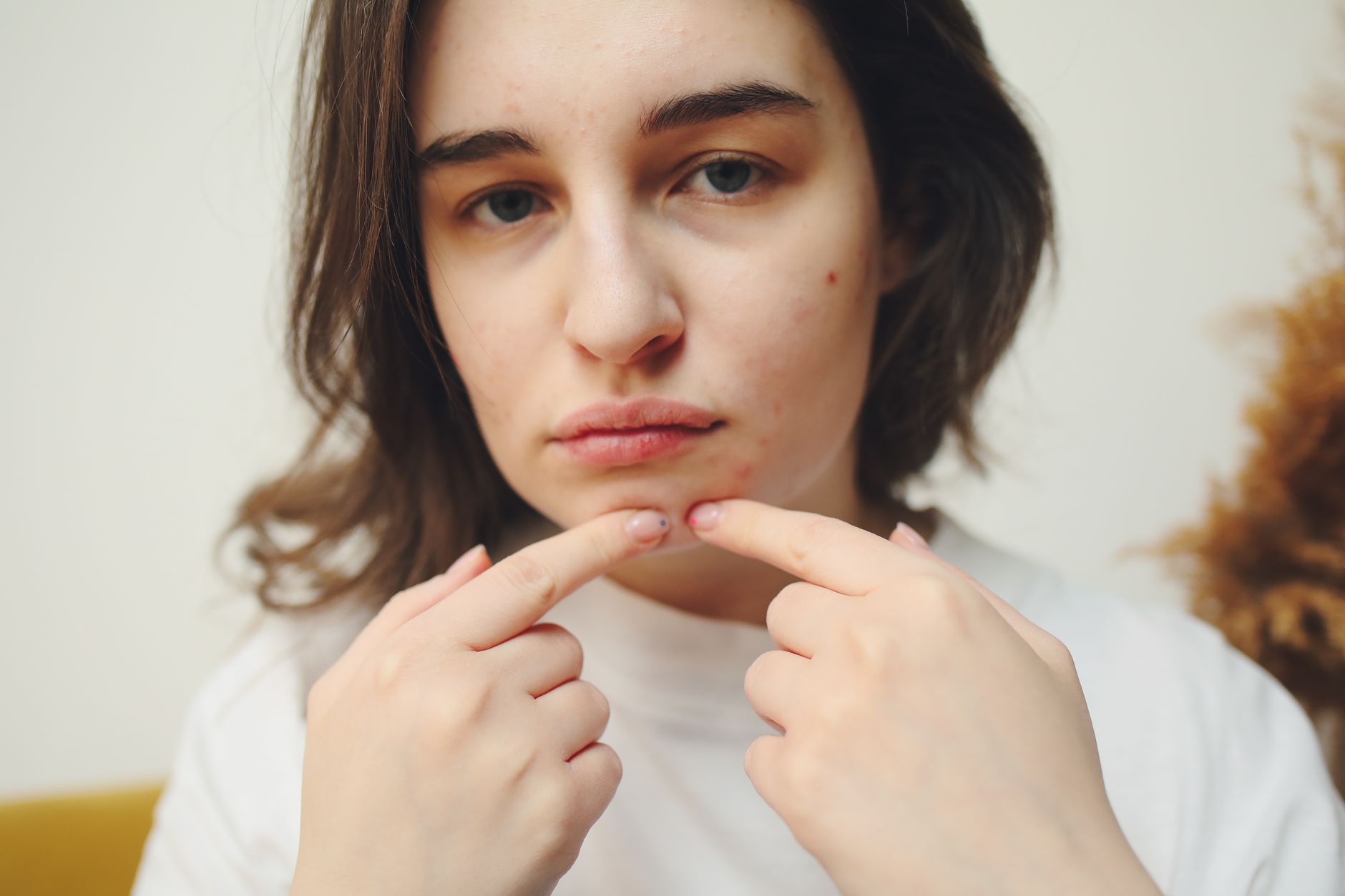
“Fungal acne” and regular acne can both flare during summer, but they are different conditions and respond to different treatments. Fungal acne is actually Malassezia folliculitis, an inflammation of hair follicles associated with an overgrowth of yeast that normally lives on the skin. It commonly produces clusters of small, similar-looking, itchy bumps. Regular acne, or acne vulgaris, develops when pores become clogged with oil and dead skin cells, often creating a mixture of blackheads, whiteheads, pimples, and deeper lesions.
For example, dozens of itchy bumps appearing across the upper chest after several humid workouts are more suggestive of folliculitis than a few blackheads and inflamed pimples along the jaw. Summer heat, sweat, tight clothing, and oily products can aggravate either condition, so appearance alone is not always enough to identify the cause. Malassezia folliculitis is generally treated with antifungal medication, while acne treatments may include benzoyl peroxide, salicylic acid, topical retinoids, or other medications selected according to severity. Using the wrong approach matters: an acne antibiotic will not treat yeast, while an antifungal product will not unclog the comedones that define regular acne.
Medical information disclaimer: This article is for general educational purposes only and does not provide medical advice, diagnosis, or treatment. Always consult a physician or other qualified health professional about symptoms, medications, tests, or treatment decisions.
Table of Contents
- How Do Fungal Acne vs Regular Acne Summer Symptoms Differ?
- Summer Heat, Sweat, and Oil Can Trigger Both Conditions
- Why Treatment Differences Matter
- A Practical Summer Skincare Routine for Suspicious Breakouts
- Common Mistakes That Can Prolong Fungal or Regular Acne
- When a Dermatology Examination Is Useful
- Preventing Recurrence During Workouts and Travel
- Frequently Asked Questions
How Do Fungal Acne vs Regular Acne Summer Symptoms Differ?
Malassezia folliculitis usually appears as many small bumps that are relatively uniform in size and shape. They may be skin-colored, red, or topped with tiny pustules, and itching is common. The upper back, chest, shoulders, hairline, and forehead are frequent locations because these areas contain numerous oil-producing glands. Unlike acne vulgaris, fungal folliculitis generally does not cause blackheads or whiteheads. Regular acne is often more varied.
One area may contain closed comedones, blackheads, red papules, pus-filled pimples, and occasionally painful nodules or cysts. It can affect the face, chest, shoulders, and back, but the pattern may provide clues. A teenager with blackheads on the nose and several differently sized forehead pimples is more likely to have acne vulgaris, while a sudden crop of itchy, nearly identical bumps under a sweaty sports jersey raises greater suspicion for Malassezia folliculitis. These differences are useful but not definitive. Bacterial folliculitis, heat rash, contact dermatitis, and medication reactions can resemble either condition. It is also possible to have acne vulgaris and Malassezia folliculitis at the same time, particularly when clogged pores and itchy follicular bumps occupy the same oily area.
Summer Heat, Sweat, and Oil Can Trigger Both Conditions
Malassezia yeast thrives in oily environments, and warm, humid weather can create favorable conditions for overgrowth. Sweat trapped beneath workout clothes, backpacks, hats, helmets, or synthetic fabrics may increase moisture and friction around hair follicles. Heavy body oils and rich, occlusive skincare products can add another layer of warmth and oil, especially across the chest and back. Summer can also worsen acne vulgaris. Heat may increase the sensation of oiliness, while sweat, sunscreen, cosmetics, and dead skin can accumulate on the surface.
Friction from chin straps, mask edges, tight collars, or athletic equipment can produce acne mechanica, a form of acne aggravated by pressure and rubbing. A cyclist, for example, may develop mixed pimples and clogged pores where a helmet liner repeatedly presses against the forehead. Sweat itself is not inherently dirty, and aggressive cleansing is not a reliable solution. Scrubbing repeatedly, using harsh alcohol-based products, or washing after every minor episode of perspiration can disrupt the skin barrier and intensify irritation. A gentle rinse or cleanser after a heavily sweaty activity is generally more sensible than abrasive exfoliation.
Why Treatment Differences Matter
Because Malassezia folliculitis involves yeast, treatment usually centers on antifungal medication. Clinicians may recommend an antifungal shampoo or wash containing an ingredient such as ketoconazole or selenium sulfide for affected body areas, or prescribe a topical or oral antifungal when appropriate. Contact time, frequency, and treatment duration vary by product and individual, so package directions or a clinician’s instructions should guide use. Regular acne treatment targets clogged pores, inflammation, and acne-associated bacteria rather than yeast.
Salicylic acid can help clear pore debris, benzoyl peroxide reduces acne-causing bacteria and inflammation, and topical retinoids help prevent new comedones. Someone with blackheads and scattered inflamed pimples may benefit from a carefully introduced retinoid and benzoyl peroxide regimen, but that same routine may do little for a uniform, itchy yeast-related eruption. Oral antifungals are not casual substitutes for topical treatment. They can interact with other medications and may pose liver-related or other health risks, so they require professional evaluation. Topical antifungal products may also cause dryness, stinging, or irritation, particularly when combined with several acne actives.
A Practical Summer Skincare Routine for Suspicious Breakouts
Start with measures that reduce heat, moisture, and friction without overstripping the skin. Change out of damp workout clothing promptly, shower after heavy sweating, wash reusable helmet pads and hats, and choose breathable clothing when possible. Use a gentle cleanser and a lightweight, noncomedogenic moisturizer. Sunscreen remains necessary; a fluid or gel-style, noncomedogenic formula may feel more comfortable than a heavy balm on acne-prone areas. Treatment should follow the dominant pattern.
Mostly itchy, uniform bumps without comedones warrant evaluation for folliculitis and may justify clinician-directed antifungal care. A mixture of blackheads, whiteheads, and inflamed pimples fits acne vulgaris more closely and may respond to standard acne ingredients. The tradeoff is that adding multiple products “just in case” can cause enough irritation to make the entire eruption look redder and harder to identify. Introduce one active product at a time and monitor the skin rather than changing the routine every few days. For example, applying a retinoid, benzoyl peroxide, salicylic acid, and an antifungal wash all at once can produce peeling and burning even if one ingredient is appropriate. Benzoyl peroxide can also bleach towels, pillowcases, and clothing, an especially practical concern when it is used on the chest or back.
Common Mistakes That Can Prolong Fungal or Regular Acne
One common mistake is assuming that every forehead bump is fungal acne. Closed comedones can look small and uniform, while hair products, pomades, and sweat-resistant sunscreens may clog pores near the hairline. Conversely, repeatedly increasing the strength of acne products will not correct a yeast-related folliculitis and may damage the skin barrier. Another risk is using leftover antibiotics or topical steroid creams without a diagnosis.
Antibiotics do not treat Malassezia and may alter the skin’s microbial balance; steroid creams can suppress visible inflammation temporarily while allowing some infections to persist or worsen. Prescription medication should be used only for the condition and duration for which it was prescribed. Home remedies can also create problems. Undiluted essential oils, vinegar, lemon juice, and harsh dandruff treatments may cause irritant or allergic contact dermatitis. Even legitimate acne medications have limitations: topical retinoids can cause dryness and sun sensitivity, and pregnancy or pregnancy planning requires professional guidance because retinoid use may be inappropriate.
When a Dermatology Examination Is Useful
Seek professional assessment when a breakout is painful, rapidly spreading, leaving scars, recurring after treatment, or failing to improve with a consistent routine. A dermatologist may examine the distribution and lesion type, review medications and product use, and sometimes examine material from a follicle under a microscope to look for yeast.
No single visual feature provides perfect confirmation. Prompt care is particularly important when bumps are accompanied by fever, significant swelling, spreading warmth, drainage, or severe tenderness. For example, a rapidly enlarging, painful lump on the back is not typical of uncomplicated Malassezia folliculitis and may require evaluation for a bacterial infection or abscess.
Preventing Recurrence During Workouts and Travel
Summer prevention often depends on managing the environment around the skin. Pack a dry shirt for long hikes, avoid remaining in a wet swimsuit for hours, clean equipment that repeatedly contacts the face or body, and wash sweaty clothing before wearing it again.
During travel, a small amount of a familiar cleanser and moisturizer is often safer than testing several hotel products on already irritated skin. People with recurrent Malassezia folliculitis may receive a maintenance plan from a clinician, while recurring acne may require continued comedone-preventing treatment even when the skin looks clear. A runner who repeatedly breaks out beneath a hydration vest can also test practical changes such as loosening the fit, wearing a breathable layer underneath, and washing the contact surfaces after each long run.
Frequently Asked Questions
Is fungal acne contagious?
Malassezia normally lives on human skin, and Malassezia folliculitis is not generally treated as a contagious condition passed through ordinary contact. Shared sweaty clothing and unwashed equipment should still be avoided because they can irritate skin and spread other microorganisms.
Can fungal acne have whiteheads?
Malassezia folliculitis can produce small pustules that resemble white-tipped pimples, but it does not typically form true closed comedones. Blackheads or persistent clogged pores point more strongly toward acne vulgaris.
Does itching prove that a breakout is fungal?
No. Itching is common in Malassezia folliculitis, but eczema, heat rash, contact dermatitis, and other folliculitis types can also itch. A non-itchy eruption does not completely exclude it either.
Can benzoyl peroxide treat fungal acne?
Benzoyl peroxide is primarily an acne treatment and is not a standard antifungal therapy. It may be useful when acne vulgaris or bacterial folliculitis is present, but it can dry and irritate skin without addressing Malassezia overgrowth.
How quickly should treatment work?
Response time depends on the diagnosis, treatment, severity, and consistency of use. A lack of improvement, worsening symptoms, or rapid recurrence is a reason to reconsider the diagnosis with a healthcare professional rather than repeatedly adding stronger products.
You Might Also Like
- Hormonal Acne Treatment Update: Spironolactone Telehealth Access Expands
- At Least 81% of People Who Use OTC Acne Products Have Never Been Told That Switching Products Every 2 Weeks Prevents Any Treatment From Working
- At Least 73% of College Students With Acne Would Benefit From Knowing That Their Acne Scars Can Be Significantly Improved With Professional Treatment