
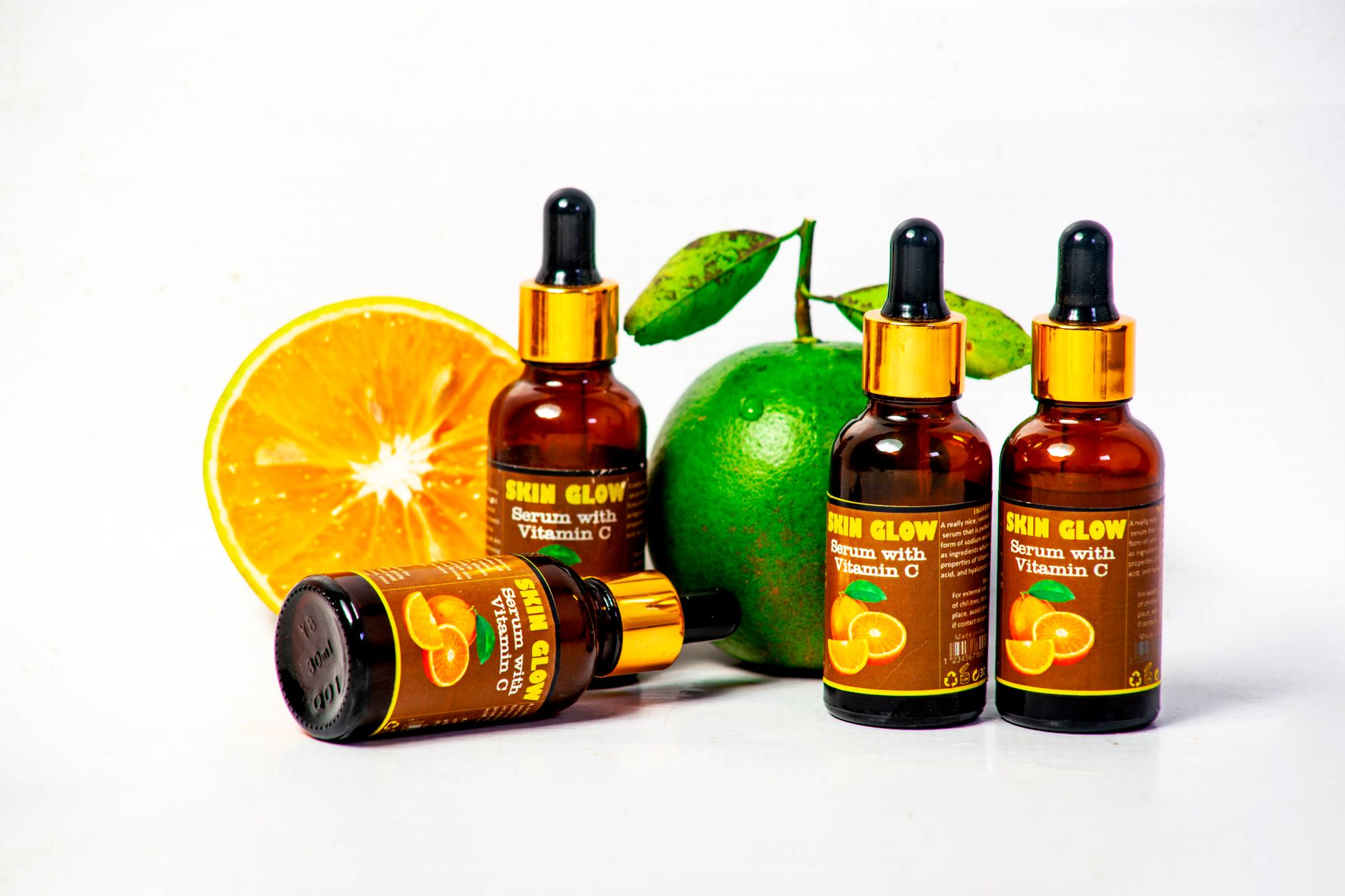
For people with icepick scars considering ablative laser, vitamin C plus vitamin E plus ferulic acid can support faster calming of redness and swelling after treatment, but it does not change the scar type itself. Pigment risk, stinging, and limited laser response in narrow deep scars still shape the decision. CE-ferulic means a serum combining L-ascorbic acid with alpha-tocopherol and ferulic acid. Icepick scars are narrow, deep epithelial tracts that reach lower skin and cast small V-shaped pits.
Medical information disclaimer: This article is for general educational purposes only and does not provide medical advice, diagnosis, or treatment. Always consult a physician or other qualified health professional about symptoms, medications, tests, or treatment decisions.
Table of Contents
- What does CE-ferulic add after laser?
- Why do icepick scars need more than laser alone?
- How do you lower pigment risk?
- What about pain, stinging, and downtime?
What does CE-ferulic add after laser?
The formula was designed for stability and sun defense. The Journal of Investigative Dermatology abstract via Medscape reported that adding 0.5% ferulic acid to 15% L-ascorbic acid plus 1% alpha-tocopherol doubled protection from about 4-fold to 8-fold for redness and sunburn cells the 2005 photoprotection abstract. That background matters after resurfacing, when skin is raw and light-sensitive.
Antioxidant protection does not replace sunscreen, but it helps explain dermatology interest in use around procedures. In split-face testing right after fractional ablative CO2 laser, CE-ferulic versus vehicle reduced swelling by day 7 and redness on days 3 and 5, with higher basic fibroblast growth factor on day 5. MedicalXpress reporting the Waibel et al. study described this pattern as faster wound healing the post-laser split-face results.
Why do icepick scars need more than laser alone?
Icepicks respond least to fractional laser alone. Rolling and superficial boxcar scars respond best, while narrow deep icepicks often need TCA CROSS or punch excision before resurfacing, according to J Cutan Aesthet Surg guidance and Dermatology Times scar-type advice the scar-type treatment guidance. That distinction changes expectations.
Laser can improve texture and shallow edges, but a deep epithelialized tract often remains visible without a method that reaches its base. Ask specifically whether your pits are true icepicks, mixed scars, or enlarged pores. A plan that lists TCA CROSS, punch excision, or staged resurfacing is more complete than laser alone for many icepick cases.
How do you lower pigment risk?
Post-laser darkening commonly appears 7-14 days after treatment and may persist up to 6 weeks. Dermatologists cited by MDedge and AAD experts advise avoiding tanned skin, avoiding imminent sun exposure, and using strict mineral or tinted broad-spectrum sunscreen the post-laser complication guidance.
Starting protection early helps. A systematic review on prevention in skin of colour reported that daily sunscreen with antioxidants and anti-inflammatories from day one after ablative fractional resurfacing reduced incidence and duration of post-inflammatory hyperpigmentation, including prevention in 85 patients followed for two months. Practical steps readers use with their clinic:.
- Pause treatment when tan is present and delay beach or high-sun trips.
- Use tinted mineral broad-spectrum sunscreen as directed once the clinic allows it.
- Report new brown patches at week 1-2 rather than waiting them out.
What about pain, stinging, and downtime?
Fractional CO2 laser for atrophic acne scars often entails 4-6 days downtime with redness and crusting. Pain control usually means topical anesthesia, cooling, and over-the-counter analgesics, with CO2 more painful but often more effective for deeper lesions than Er:YAG. Acidic vitamin C can sting that healing skin.
Dermatology reviews note effective L-ascorbic acid serums need acidic pH around 3.5 or lower versus skin pH 4.5-5.5, causing stinging and redness on sensitive or broken skin and limiting routine immediate use after procedures. A 2022 retrospective review of 33 patients and 45 ablative fractional encounters found no side effects attributed to laser-assisted vitamin C, E and ferulic serum. Reported effects matched the normal post-procedure course and resolved, so timing, skin barrier status, and clinic supervision matter more than the serum name alone.
You Might Also Like
- Vitamin C, Vitamin E, and Ferulic Acid After Acne Scar Laser in 2026: Questions People With Icepick Acne Scars Can Ask Before a Procedure
- Vitamin C, Vitamin E, and Ferulic Acid After Acne Scar Laser in 2026: Sample Size and Evidence Limits for People With Icepick Acne Scars
- Antioxidant Serum After Fractional CO2 Acne Scar Treatment in 2026: Questions People With Icepick Acne Scars Can Ask Before a Procedure