
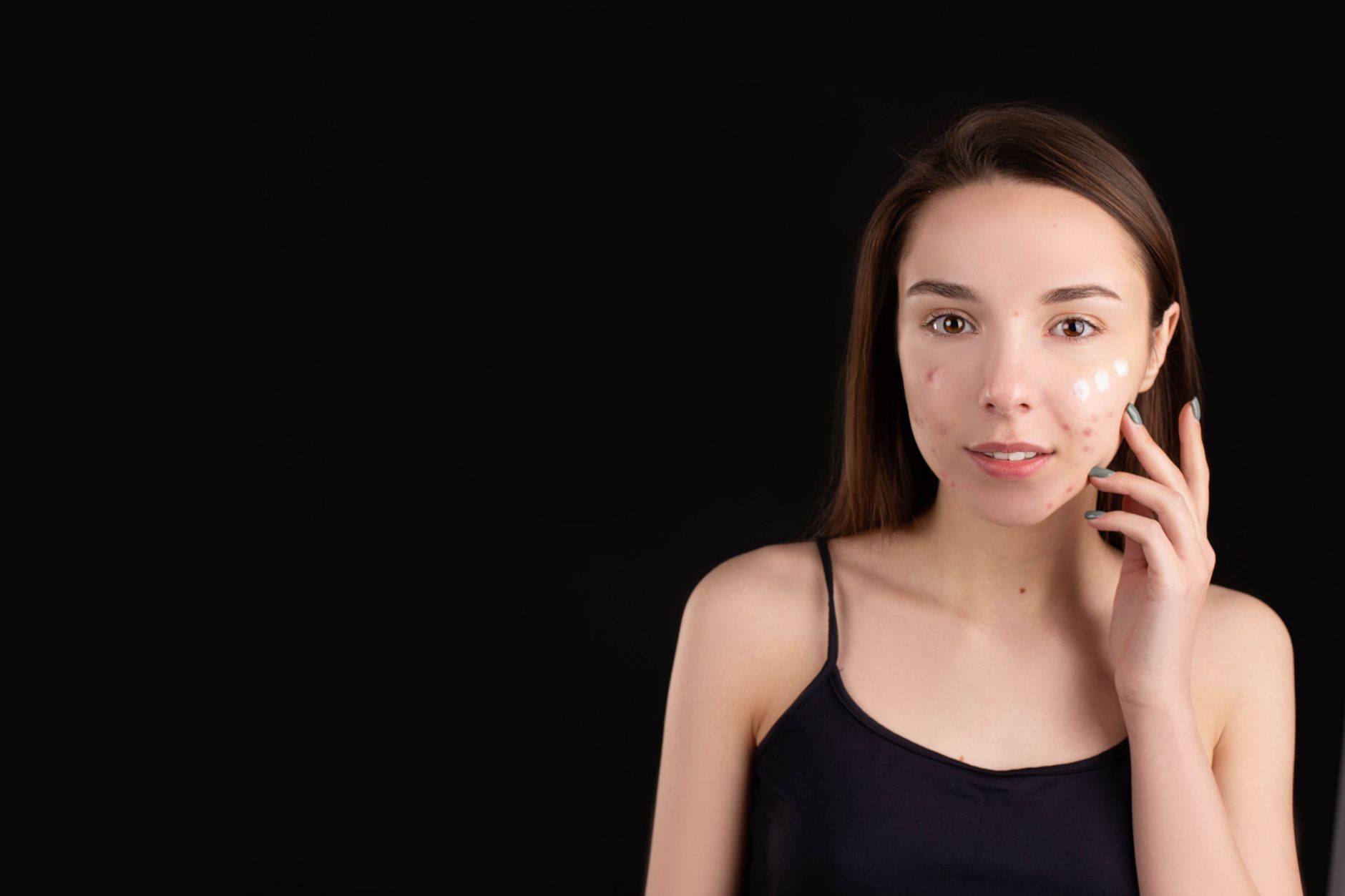
The 2026 acne body image study does not prove causation because it measured acne and body image at the same time. A one-time comparison like that shows a link but cannot show which came first. Acne vulgaris means common acne with pimples, blackheads, and inflamed spots. The Sriwijaya University Jurnal Kedokteran dan Kesehatan reported in its January 2026 analysis that teens with acne had higher odds of lower positive body image than peers without acne.
Medical information disclaimer: This article is for general educational purposes only and does not provide medical advice, diagnosis, or treatment. Always consult a physician or other qualified health professional about symptoms, medications, tests, or treatment decisions.
Table of Contents
- What did the January study find?
- Why does timing decide causation?
- What else affects teen body image?
- What should teens with acne do next?
What did the January study find?
The analysis compared teens with acne vulgaris to peers without acne. Teens with acne were more likely to report lower positive body image, with an odds ratio of 1.901 and p=0.041.
The authors used chi-square and path analysis. Those tools test for association between variables in the collected sample.
Why does timing decide causation?
The National Institutes of Health methods literature explains that this type of one-time observational comparison measures exposure and outcome together, as described in this cross-sectional methods review. Acne and body image were captured simultaneously.
That design cannot establish which came first. Low body image could follow acne, precede it, or both could rise from another factor.
What else affects teen body image?
Teen samples are large but varied. American Academy of Dermatology data describe acne as affecting about 85% of people ages 12-24. Body image also responds to other pressures.
News-Medical reporting on teen body-image research lists social-media comparison, weight-related teasing and bullying, peer pressure, puberty changes, and genetic predisposition as independent influences, detailed in this teen body-image report. Acne severity does not consistently predict distress. A cross-sectional study in the MDPI Journal of Personalized Medicine found no link between severity and depression, anxiety, stress, or eating attitudes.
What should teens with acne do next?
Treat the skin and protect mood at the same time. American Academy of Dermatology guidance context supports medical acne care plus attention to comparison habits, bullying, and mood symptoms, summarized in these updated acne management guidelines.
Skin Therapy Letter reviewers note treatment has accompanied better self-esteem, body image, and social confidence, while calling for longitudinal cohorts to test cause. Book a dermatology visit rather than assuming acne alone caused the feelings.
- Follow a dermatologist-approved acne treatment plan.
- Cut appearance-comparison scrolling, unfollow accounts that trigger shame, and limit mirror-checking.
- Tell a parent, counselor, or clinician about teasing, bullying, anxiety, or low mood.
- Ask a dermatologist about next steps if acne persists or scars.
You Might Also Like
- Anxiety, Body Image, and Acne in a 2026 Cross-Sectional Study: A Source-Checked 2026 Briefing for Teens With Acne
- The 2026 Systematic Review of Acne and Quality of Life: A Source-Checked 2026 Briefing for Teens With Acne
- Psychological Burden Across Acne Severity in 2026 Research: A Source-Checked 2026 Briefing for Teens With Acne