
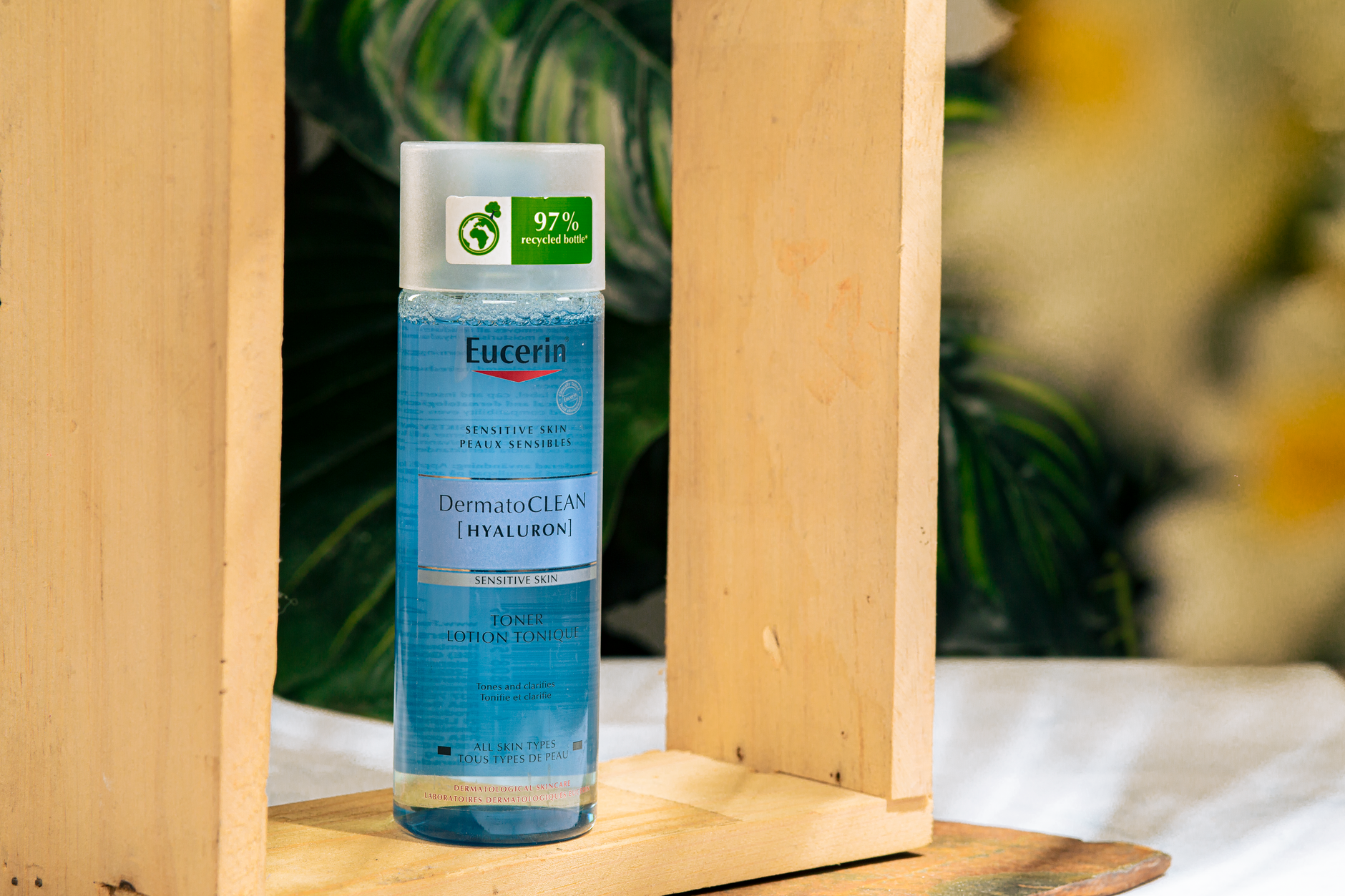
Salicylic acid is not a treatment for fungal acne — it is at best a helper alongside one. Dermatologists treat Malassezia folliculitis, the condition popularly called fungal acne, with antifungals, because the eruption is caused by an overgrowth of yeast that salicylic acid does nothing to kill. That distinction matters because the two conditions look alike in the mirror and respond to completely different drugs. Understanding where a salicylic acid cleanser or toner fits — and where it stalls your progress — is the difference between clearing in weeks and chasing bumps for months.
Medical information disclaimer: This article is for general educational purposes only and does not provide medical advice, diagnosis, or treatment. Always consult a physician or other qualified health professional about symptoms, medications, tests, or treatment decisions.
Table of Contents
- What fungal acne actually is
- Why antifungals, not acne actives, do the clearing
- Where salicylic acid fits — and where it does not
- The one trial testing salicylic acid directly
- What this means for your routine
- Frequently Asked Questions
What fungal acne actually is
Malassezia folliculitis is an itchy eruption of small papules and pustules, usually across the upper trunk, caused by overgrowth of Malassezia yeast that already lives on everyone's skin. A 2020 review by Vlachos and colleagues in the Journal of the European Academy of Dermatology and Venereology describes it as affecting young to middle-aged adults and people who are immunosuppressed, with diagnosis resting on microscopy that shows budding yeast and no hyphae. Two features separate it from ordinary acne on sight.
It itches, which acne vulgaris generally does not, and the bumps are strikingly uniform in size rather than a mix of blackheads, whiteheads and cysts. That microscopy step is not a formality. A KOH preparation looked at under a microscope is what confirms yeast, and dermatologists confirm before treating, because a course of antifungals aimed at the wrong diagnosis simply wastes weeks.
Why antifungals, not acne actives, do the clearing
Because the problem is a yeast folliculitis rather than acne, the drugs that work are antifungal. A 2025 review in the Journal of Fungi by Chalupczak and Lipner concludes that topical and oral antifungals are highly effective, while relapse is common and access to some off-label agents is limited. The review's treatment table sorts the options by how well they are supported. Oral itraconazole and fluconazole are backed by randomised controlled trials for moderate-to-severe disease.
Topical antifungals are effective in mild cases but slower to act and mainly adjunctive. Ketoconazole 2% shampoo once or twice weekly is the standard maintenance step, supported by clinical experience rather than trial data. For widespread disease, the systemic route has guideline support. The Danish evidence-based guidelines for Malassezia-related skin disease, published by Hald and colleagues in Acta Dermato-Venereologica, state that systemic antifungal treatment is probably more effective than topical, that combining the two may be favourable, and that maintenance therapy is often needed to prevent relapse.
Where salicylic acid fits — and where it does not
Salicylic acid appears in no guideline row of that 2025 treatment table. The keratolytic entries — agents that loosen and shed the plug of dead cells in a follicle — are selenium disulfide and 50% propylene glycol, both flagged as often adjunctive with limited studies. Salicylic acid's rationale for fungal acne is extrapolated from that same keratolytic effect, not from any documented antifungal action.
Practically, that gives it one honest job: clearing the follicular debris that traps yeast and sebum, so the antifungal reaches where it needs to be. It is a companion to ketoconazole or selenium, never a substitute. The risk in treating it as the main event is time. Someone using a 2% salicylic acid cleanser alone may see modest improvement from exfoliation, read that as progress, and spend two months without ever touching the yeast driving the eruption.
The one trial testing salicylic acid directly
A single registered trial has studied salicylic acid specifically in Malassezia folliculitis. ClinicalTrials.gov record NCT06307223, first posted in March 2024, pairs a weekly 30% supramolecular salicylic acid peel with a daily supramolecular active zinc lotion over eight weeks, following adults aged 18 to 65 out to week 12. The published results are striking.
The multicentre, single-arm study reported a week-8 overall efficacy rate of 95.42% (95% CI 91.95–97.69) in the full analysis set and 99.52% per protocol, with recurrence in 2 of 237 patients over four weeks and mild-to-moderate treatment-related adverse events in about 2.9%. Those numbers cannot be credited to salicylic acid. There was no control arm, and the peel was given together with a zinc agent that has antifungal activity of its own, so the design cannot separate which component did the work. Readers comparing the trial's reported enrolment against the registry figure will also find the two do not match.
What this means for your routine
A reasonable plan keeps salicylic acid in a supporting role and puts an antifungal at the centre: That last point has a regulatory line behind it. Salicylic acid's approved over-the-counter use is for acne, not fungal infection: the FDA's final administrative order on topical acne drug products permits it as a single active ingredient only at 0.5% to 2%. The 30% peel in that trial is a procedure performed or supplied outside the over-the-counter monograph, not a product to improvise at home.
- Get the diagnosis confirmed by microscopy before starting anything — itchy, uniform trunk bumps are suggestive, not conclusive.
- Treat with an antifungal: ketoconazole 2% or a selenium-based shampoo for mild disease, an oral azole for moderate-to-severe or widespread disease, prescribed by a clinician.
- Use salicylic acid only as follicular exfoliation alongside that antifungal, not instead of it.
- Plan for maintenance, typically ketoconazole shampoo once or twice weekly, because relapse is the norm rather than the exception.
- Keep strengths within the over-the-counter range for at-home use.
Frequently Asked Questions
Will a 2% salicylic acid cleanser clear fungal acne on its own?
No. Salicylic acid has no documented antifungal action against Malassezia; it loosens follicular debris, which supports an antifungal but does not replace one.
Why does my fungal acne keep coming back after it clears?
Relapse is common because Malassezia is a normal skin resident, not an invader that can be eliminated. Both the Journal of Fungi review and the Danish guidelines call for ongoing maintenance, usually weekly or twice-weekly ketoconazole shampoo.
Can I use a high-strength salicylic acid peel at home?
Strengths above 2% fall outside the FDA's over-the-counter acne order for salicylic acid as a single active, so a 30% peel is a clinic procedure rather than a home step.
Should I ask for oral medication straight away?
Oral itraconazole and fluconazole have trial support for moderate-to-severe disease, while topical antifungals suit mild cases. The extent of your eruption drives that decision, which is why confirmed diagnosis comes first.