
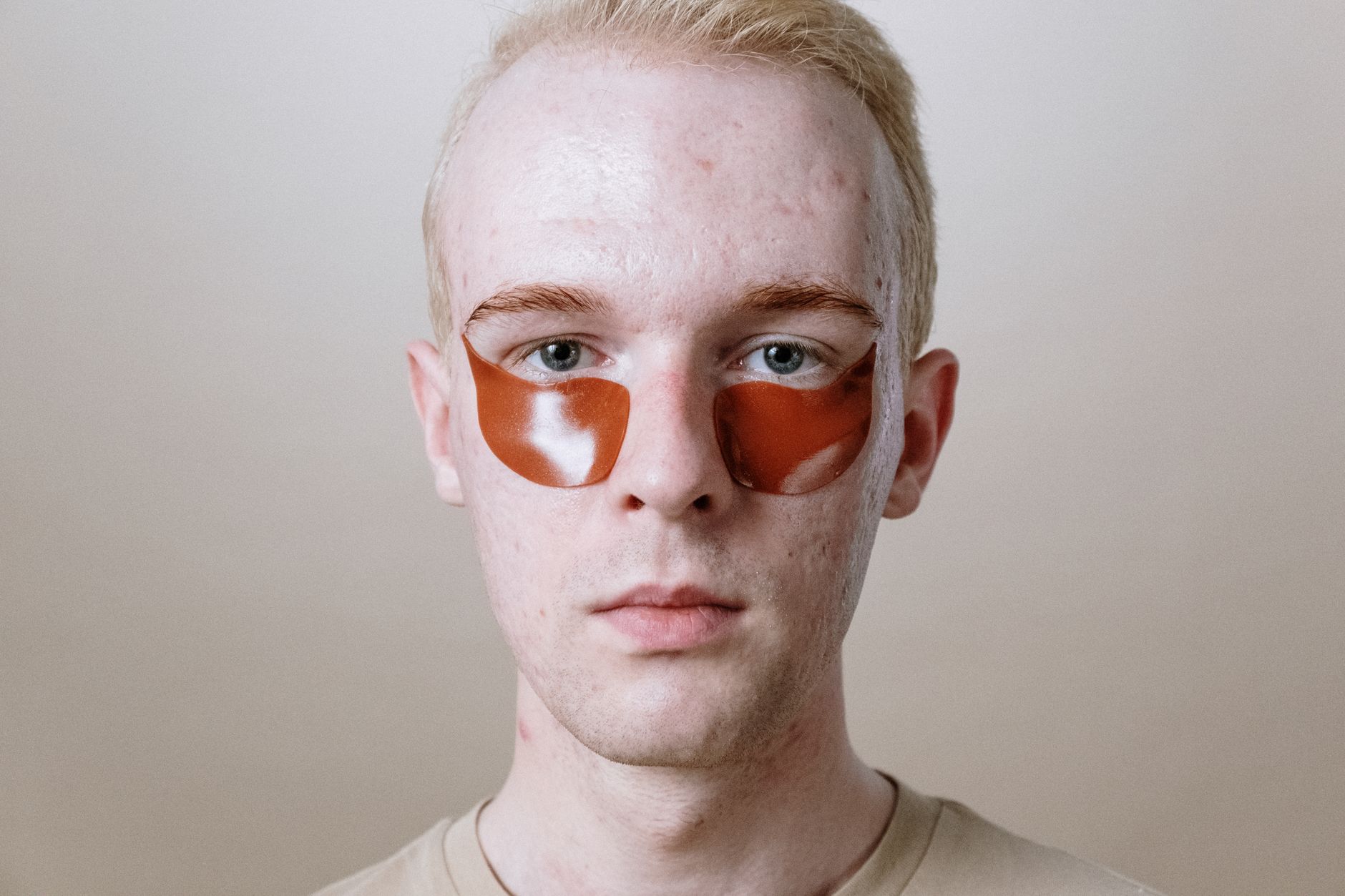
Cystic acne — painful, pus-filled cysts that form deep under the skin — leaves darker marks because its deeper inflammation triggers more melanin production than a surface pimple. Longer healing time stimulates still more pigment, so the leftover mark looks darker. Regular pimples affect the upper pore and clear faster. Cysts injure wider and deeper tissue, so color change is stronger and slower to fade.
Medical information disclaimer: This article is for general educational purposes only and does not provide medical advice, diagnosis, or treatment. Always consult a physician or other qualified health professional about symptoms, medications, tests, or treatment decisions.
Table of Contents
- What makes a cyst different from a regular pimple?
- How does inflammation create a dark mark?
- Why do some marks look darker and last longer?
- Who is most likely to get lasting marks?
What makes a cyst different from a regular pimple?
According to Cleveland Clinic, cystic acne forms when oil and dead skin cells clog pores and create painful, pus-filled cysts deep under the skin, described in Cleveland Clinic's cystic acne overview. Blackheads and whiteheads stay shallow. Cysts and nodules sit deeper and injure more tissue. That depth changes healing.
A shallow pimple often dries and flakes within days. A cyst stays tender, swollen, and red for much longer. Longer inflammation gives pigment cells a stronger signal. Stronger signaling means a darker leftover mark.
How does inflammation create a dark mark?
Inflammation activates melanocytes, the cells that make skin pigment. The cells release extra melanin, which settles in the skin as a flat brown to black spot. StatPearls calls this process post-inflammatory hyperpigmentation, detailed in StatPearls' hyperpigmentation review through NCBI.
It is pigment, not infection. The spot is flat even when the original bump felt raised and sore. Cystic breakouts carry higher risk because deep inflammation plus slow healing drives greater melanin production. A brief surface pimple produces less pigment in comparison.
Why do some marks look darker and last longer?
Depth controls both color and duration. Brown marks sit mainly in the upper layer and often fade sooner. Blue-gray marks sit in the deeper dermis, where immune cells called macrophages hold melanin longer. That deeper placement explains persistence.
The body clears trapped dermal pigment slowly. Sozo Clinic notes that deeper, inflamed breakouts such as cysts are more likely to leave darker, longer-lasting color, and that picking worsens injury and darkening, explained in Sozo Clinic's guide to post-inflammatory marks. Squeezing a cyst can push inflammation deeper. More depth means darker color and a longer wait.
Who is most likely to get lasting marks?
People with Fitzpatrick skin types III to VI tend to develop more visible marks. Their melanocytes release more melanin after injury.
Marks can remain for months to years, according to an NIH-reviewed clinical review in the NIH library's pigmentation review. Risk rises with three factors: Hands off a healing cyst. Picking adds tissue injury and increases darkening.
- deeper breakout type, especially cysts and nodules
- longer redness, swelling, and healing time
- added injury from picking, squeezing, or scratching