
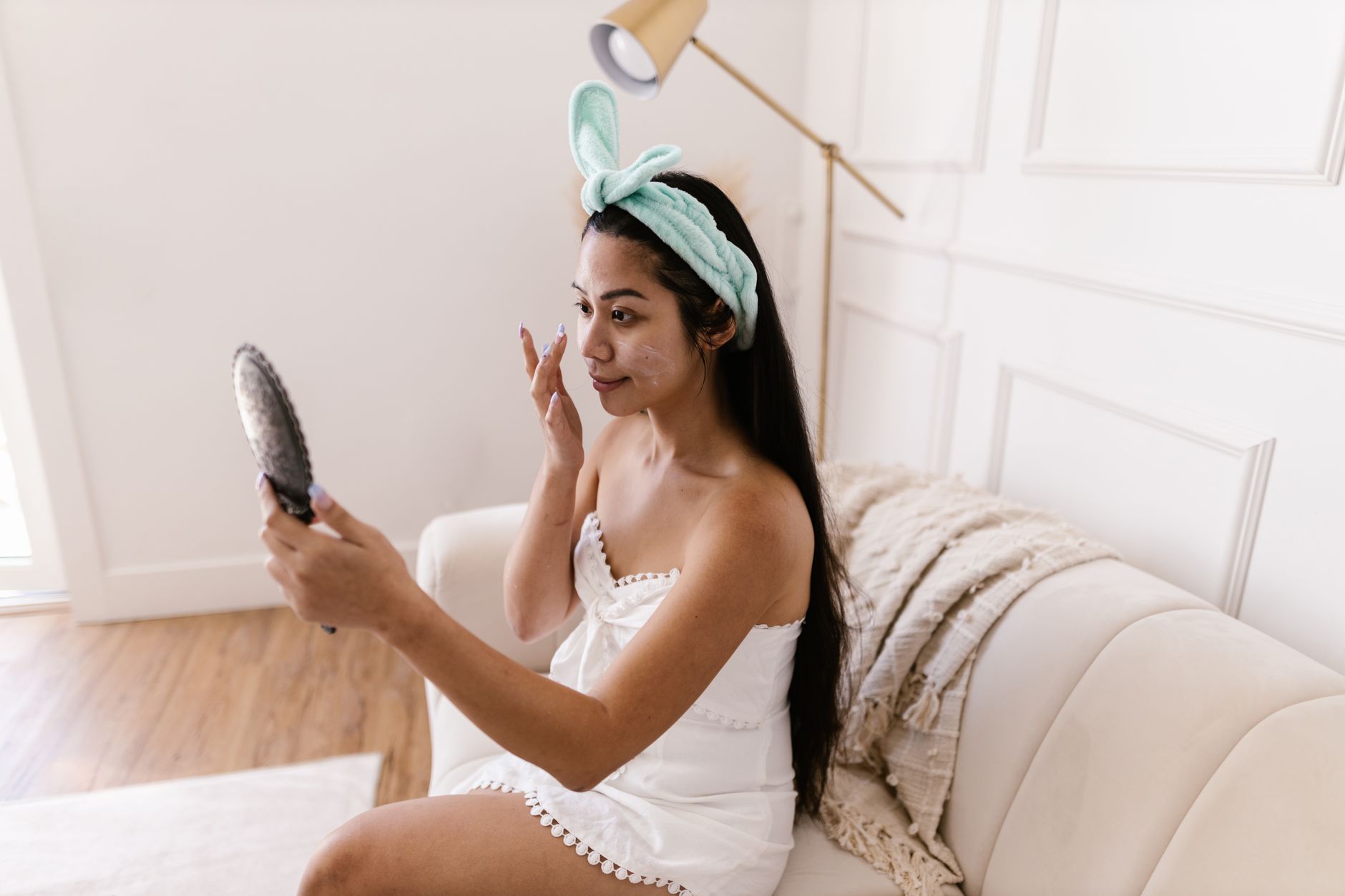
Amazon Prime exclusive offers on TULA Skincare products typically provide members with early access to sales or special member-only pricing on select items, including their hydrating moisturizer line. These Prime-exclusive deals are periodically available through Amazon’s platform and often feature discounts on premium skincare brands that don’t typically offer substantial markdowns elsewhere. To locate the current TULA moisturizer promotion, check the brand’s dedicated Amazon storefront or browse the “Prime Exclusive Deals” section during promotional windows, which frequently run during seasonal sales or Prime Day events. TULA is known for formulations that emphasize probiotic-derived ingredients and superfruits like watermelon and pomegranate.
Their hydrating moisturizers target the balance between barrier support and lightweight hydration—a challenging combination many formulators attempt but few execute consistently. For acne-prone skin, hydration is often overlooked because many people with breakouts avoid traditional moisturizers, yet dehydration can actually trigger overproduction of sebum and worsen inflammation. Prime membership status can affect both access and pricing on TULA products. Unlike some brands that restrict deals to Prime members, TULA products may occasionally be discounted for all shoppers, but Prime-exclusive offers typically provide better terms, faster shipping, or longer sale windows. Amazon’s deal structure means pricing varies by region and availability shifts frequently, so the specific discount percentage and product variants available through Prime membership fluctuate throughout the year.
Table of Contents
- What Sets TULA Hydrating Moisturizers Apart From Standard Skincare Products
- Understanding the Hydrating Moisturizer Formula and Ingredient Function
- Who Benefits From TULA Hydrating Moisturizers and Why
- How to Evaluate Amazon Prime Exclusive Pricing and Identify Real Savings
- Considerations and Limitations Before Purchasing TULA Hydrating Moisturizer
- Comparing TULA Hydrating Moisturizers to Other Amazon-Available Options
- Practical Usage Tips and Integration Into an Acne-Prone Skincare Routine
What Sets TULA Hydrating Moisturizers Apart From Standard Skincare Products
TULA’s hydrating moisturizers incorporate probiotic fermentation technology—a bacterial culture process that produces beneficial compounds without containing live bacteria. This approach differs from conventional moisturizers, which typically rely on humectants like hyaluronic acid or glycerin alone. The probiotic ferments in TULA formulas are designed to support skin microbiome balance, which may reduce irritation in sensitive or acne-prone skin compared to products with fragrance or essential oils. The texture and absorption profile matter considerably when evaluating hydrating moisturizers, especially for oily or acne-prone skin. TULA hydrating moisturizers are generally formulated to absorb within a few minutes rather than leaving a visible occlusive layer, which helps them function as a daytime moisturizer for those with reactive skin.
However, absorption speed varies by individual skin type—combination skin may absorb the formula easily on the cheeks while finding it slightly heavy in the T-zone. Amazon Prime exclusivity affects availability in unexpected ways. While Prime exclusive pricing is meant to be competitive, it doesn’t always guarantee the absolute lowest price. For example, TULA products sometimes appear at similar or lower prices during flash sales outside of Prime-specific promotions, or they may be discounted through brand websites directly. Prime exclusives trade lower markups for guaranteed availability to the Prime customer base and expedited shipping benefits.
Understanding the Hydrating Moisturizer Formula and Ingredient Function
TULA hydrating moisturizers typically combine hyaluronic acid, glycerin, and squalane as the hydration and barrier-support core. Hyaluronic acid is a humectant that draws water into the skin, while glycerin serves a dual role as both humectant and skin conditioning agent. Squalane is a plant-derived emollient that mimics the skin’s natural oils without the comedogenic concerns of silicone or mineral oil, making it suitable for acne-prone skin. These three ingredients working together provide both immediate hydration and longer-term moisture retention. Watermelon and pomegranate extracts in TULA formulas contribute antioxidants rather than direct hydration, which is an important distinction. These superfruits contain polyphenols and vitamin C precursors that help address oxidative stress from environmental damage.
For acne-prone skin, antioxidants can reduce inflammation and support healing, but they should not be relied upon as the primary active ingredient—they’re complementary. A limitation of superfruit-heavy marketing in skincare is that consumers sometimes mistake antioxidant content for proven acne-fighting efficacy; the extract concentrations in most moisturizers are too dilute to provide pharmaceutical-level benefits. The probiotic ferment component distinguishes TULA from mainstream hydrating moisturizers. Fermentation produces metabolites like lactic acid and other organic compounds that may support the skin’s natural pH balance and reduce inflammation. However, clinical evidence specifically supporting probiotic ferments over well-established humectants remains limited compared to decades of research on hyaluronic acid. This means you’re choosing TULA partially on the promise of newer technology, not solely on proven efficacy.
Who Benefits From TULA Hydrating Moisturizers and Why
TULA hydrating moisturizers appeal most to three skin types: sensitive and reactive skin that needs inflammation support, acne-prone skin that requires hydration without triggering breakouts, and skin recovering from active acne treatments like retinoids or benzoyl peroxide. These formulas avoid common irritants like fragrance, essential oils, and alcohol, which makes them less likely to trigger barrier compromise in already-stressed skin. Someone using a 2.5% benzoyl peroxide face wash, for example, would benefit from the barrier-supporting properties of a non-irritating hydrating moisturizer, and TULA’s lightweight texture prevents the heaviness that often discourages acne-prone users from moisturizing altogether. Dehydrated acne-prone skin presents a specific challenge: the skin barrier is compromised, yet conventional heavy moisturizers feel occlusive and sometimes promote congestion. TULA’s formulations are engineered to provide hydration without creating an occlusive layer, which addresses this tension.
However, a limitation emerges for very oily skin types—some users with excess sebum production find even lightweight hydrating moisturizers unnecessary or report a slight shine that conflicts with matte makeup application. Dry skin that’s not acne-prone may find TULA hydrating moisturizers less sufficient as a complete moisturizer during winter months. A dermatologist-recommended moisturizer for dry skin often contains a heavier occlusive percentage, sometimes approaching 30-40% emollient content. TULA formulas skew lighter, which suits acne-prone skin but may leave non-acne-prone dry skin feeling inadequately moisturized in extreme climates or seasons. Understanding your baseline hydration needs before purchasing ensures the product matches your expectations.
How to Evaluate Amazon Prime Exclusive Pricing and Identify Real Savings
When a TULA hydrating moisturizer appears as a Prime exclusive deal, the listed price should be compared to at least three reference points: the brand’s official website pricing, the same product’s standard Amazon price (when not on exclusive sale), and the MSRP if available. Prime exclusives sometimes discount by 15-25%, though the actual savings percentage varies. For instance, a $54 MSRP moisturizer might be listed as $39.99 as a Prime exclusive, which represents a 26% savings, but that same product might appear at $42 on the brand website during a general sale. The risk of exclusive pricing is psychological anchoring—Amazon’s original pricing may be inflated specifically to make the “exclusive” price appear more attractive. This is difficult to verify without historical price tracking, but checking the brand’s own social media or email newsletters for pricing announcements can clarify typical discount ranges.
Some brands consistently discount through their own channels more aggressively than through Prime exclusives. A practical tradeoff with Prime exclusive offers is timing. If the deal runs for a limited window—often 24 to 72 hours—you must decide quickly without extended research. Conversely, non-exclusive prices on skincare are often available year-round, so waiting for a full seasonal sale might provide equal savings without the pressure of exclusivity. Amazon also limits the quantities available for Prime exclusive deals, meaning popular items sell out quickly, creating artificial scarcity that encourages impulse purchasing. Deciding your hydration needs in advance rather than chasing a “deal” ensures the purchase aligns with your skincare strategy.
Considerations and Limitations Before Purchasing TULA Hydrating Moisturizer
Patch testing is essential when introducing any new hydrating moisturizer, particularly if your skin is reactive or you’re currently using active acne treatments. Even formulas designed for sensitive skin can trigger unexpected reactions in specific individuals—for example, someone with a sensitivity to fermented ingredients might experience minor irritation despite the probiotic ferment being generally well-tolerated. Apply a small amount to your inner arm or behind your ear first, wait 24-48 hours, and monitor for redness or itching. TULA hydrating moisturizers are not treatments for acne itself; they support the skin barrier while using acne treatments. This is a critical distinction. If you’re introducing this moisturizer as a standalone solution for breakouts, expectations will not align with results.
Acne requires a treatment-level active ingredient like salicylic acid, benzoyl peroxide, or retinoids, paired with consistent hydration and barrier support. TULA moisturizers excel at the latter but cannot replace the former. A common limitation is that consumers purchase “gentle” or “pro-skin” moisturizers expecting them to improve acne, only to feel disappointed when the product hydrates but doesn’t reduce breakouts. The Amazon Prime exclusive deal structure also means that if you’re unsatisfied with the product, return policies may differ from the brand’s direct website. Amazon typically accepts returns within 30 days, but some sellers impose shorter windows, and opened skincare products sometimes fall under stricter return terms. Reviewing the seller’s return policy before checkout prevents disappointment if the product doesn’t suit your skin after opening.
Comparing TULA Hydrating Moisturizers to Other Amazon-Available Options
TULA hydrating moisturizers compete on Amazon with brands like Neutrogena Hydro Boost, CeraVe Moisturizing Cream, and Cetaphil Rich Hydrating Night Cream. The key difference is price and positioning. Neutrogena Hydro Boost costs approximately half the price of TULA and uses hyaluronic acid as the primary hydrator without the probiotic ferment positioning. For budget-conscious consumers, Neutrogena provides similar hydration results, though it omits the antioxidant complexity and probiotic technology that TULA emphasizes.
CeraVe Moisturizing Cream is often recommended by dermatologists for barrier repair and contains ceramides as a structural barrier support, whereas TULA emphasizes fermentation-based ingredients. CeraVe’s heavier texture suits very dry skin better than TULA’s lighter formulation. If your primary concern is barrier integrity after acne treatment, CeraVe may outperform TULA, but if you want a daytime moisturizer that doesn’t feel heavy on combination skin, TULA’s lightweight profile wins. The choice becomes about which ingredient philosophy and texture preference align with your skin goals.
Practical Usage Tips and Integration Into an Acne-Prone Skincare Routine
Apply TULA hydrating moisturizer to clean, damp skin rather than completely dry skin. The moisture already present helps the humectants work more effectively—a phenomenon called hydration layering. This method requires only a small amount, typically about a dime-sized portion for the entire face, which extends product longevity and reduces the risk of overloading the skin. Wait one to two minutes for the formula to set before applying sunscreen or makeup.
If you’re using a benzoyl peroxide acne treatment, apply it first, allow it to fully dry (three to five minutes), and then apply the hydrating moisturizer. This sequence prevents the moisturizer from diluting the treatment and reduces the irritation that benzoyl peroxide commonly causes. Alternatively, if irritation is severe, apply the moisturizer first, wait for it to absorb, and then apply benzoyl peroxide, though this approach provides slightly less active treatment penetration. Some people find mixing the treatment and moisturizer together in their palm works best, but this requires testing to confirm neither ingredient’s efficacy is compromised.
- —