
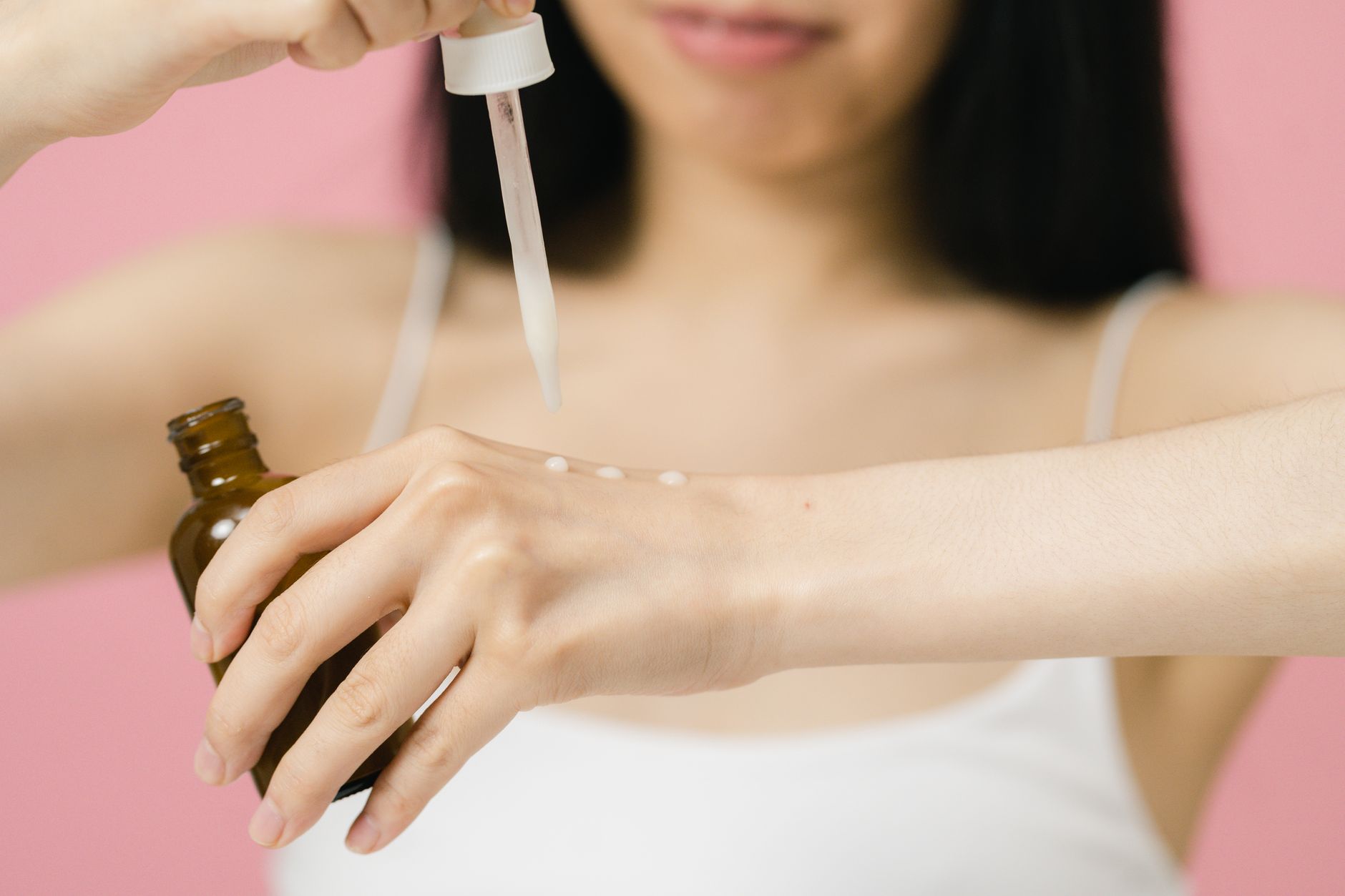
Niacinamide, a water-soluble form of Vitamin B3, has become one of the most prevalent active ingredients in skincare formulations, appearing not just in serums and creams but in toners, masks, and cleansers at concentrations often ranging from 4 to 10 percent. This surge reflects both scientific validation and consumer demand: dermatologists have documented its effectiveness for regulating sebum production, strengthening the skin barrier, and reducing inflammation—making it a rare ingredient that appeals to both oily and sensitive skin types. For example, a toner that once might have contained a single active now often includes 5 percent niacinamide as a supporting player alongside other treatments, whereas five years ago the same product might have skipped it entirely.
The increase in niacinamide formulations is not hype but a response to reproducible research showing that the ingredient works at specific concentrations and doesn’t destabilize other actives the way some powerful ingredients do. It tolerates retinoids, vitamin C, and alpha hydroxy acids without creating the irritation you’d expect from layering heavy-hitters. This biocompatibility has made brands confident enough to raise niacinamide from a minor ingredient to a lead actor, especially in products targeting breakout-prone and rosacea-affected skin.
Table of Contents
- Why Has Niacinamide Become a Skincare Staple?
- Understanding Niacinamide Concentration and Efficacy
- Niacinamide’s Effects on Acne-Prone and Oily Skin
- How to Introduce and Use Niacinamide Products Effectively
- Potential Drawbacks and Realistic Expectations
- Niacinamide in Combination with Actives and Treatments
- The Market Shift and What It Means for Skincare Strategy
- Frequently Asked Questions
Why Has Niacinamide Become a Skincare Staple?
Niacinamide’s rise is rooted in legitimate mechanism-of-action research that had been accumulating quietly for years before the ingredient entered mainstream consciousness. Unlike trends driven purely by marketing, niacinamide earned its placement through consistent evidence that it regulates sebaceous gland activity without overdrying the skin, tightens enlarged pores, and supports the skin’s natural ceramide production—the lipids that cement skin cells together and form the barrier. brands began raising concentrations when formulation science improved enough to keep niacinamide stable in different pH environments and when consumers stopped confusing it with niacin (which causes flushing and is a different compound).
The ingredient also solved a specific problem: consumers wanted multiple actives in one product, and niacinamide is one of the few that synergizes rather than competes. A serum that layers retinol, peptides, and 5 percent niacinamide avoids the irritation that would result from combining retinol with, say, salicylic acid. This flexibility made niacinamide the glue that held complex skincare routines together, spurring brands to emphasize it on labels and bump up concentrations from the 2 percent “nice-to-have” level to the 5–10 percent range where research suggests meaningful benefits appear.
Understanding Niacinamide Concentration and Efficacy
The effectiveness of niacinamide is dose-dependent, meaning a 2 percent formulation will produce different results than a 10 percent one, though the relationship is not linear—doubling the concentration does not double the effect. Clinical studies have documented that 4 to 5 percent niacinamide reduces sebum production and improves skin elasticity, while higher concentrations (8 to 10 percent) may amplify benefits for very oily or compromised barrier function but risk creating irritation in sensitive users. A limitation worth noting: most research has been conducted on shorter timelines (8 to 12 weeks), so claims about “long-term barrier restoration” are extrapolated rather than proven.
Another consideration is that niacinamide’s stability depends on product formulation. In a lightweight serum with a neutral pH, 10 percent niacinamide remains effective; in a cream with a higher pH or certain preservative systems, some niacinamide may degrade over months. This is why a product labeled “niacinamide-rich” but sitting on a shelf in sunlight for six months may deliver less active ingredient than the label promises. Brands that prioritize niacinamide stability tend to use opaque or airless packaging and often avoid pairing it with unstable ingredients like vitamin C, even though the two are chemically compatible.
Niacinamide’s Effects on Acne-Prone and Oily Skin
For acne-prone and oily skin, niacinamide’s mechanism is particularly relevant because it doesn’t just treat surface sebum but modulates sebaceous gland activity itself—essentially telling the gland to produce less oil rather than just absorbing excess. A person using a 5 percent niacinamide serum might notice a visible reduction in shine and breakouts after four to six weeks, and this effect is maintained only as long as they continue using the product. Unlike a prescription retinoid or antibacterial, niacinamide doesn’t alter skin cell turnover permanently, so discontinuing it typically results in oil production returning to baseline.
Niacinamide also has a gentle anti-inflammatory action through mechanisms involving toll-like receptor expression, which means it can reduce the redness and irritation of active breakouts without the potential for increased sensitivity that comes with stronger anti-inflammatories. This makes it especially useful for people juggling acne treatment with sensitive skin or recovering from over-exfoliation. A practical example: someone using benzoyl peroxide for acne can layer a niacinamide serum underneath without fear that the combination will become excessively drying or irritating, whereas adding a second potentially irritating active would risk compromised barrier function.
How to Introduce and Use Niacinamide Products Effectively
Despite niacinamide’s reputation as a gentle, compatible ingredient, introducing a high-concentration niacinamide product should still follow a methodical approach, especially for skin already dealing with active inflammation or heavy treatment regimens. Begin with a product containing 4 to 5 percent niacinamide used two to three times weekly, then increase frequency as skin tolerates it. This pacing prevents the rare but possible flushing or mild irritation some people experience with niacinamide, an effect unrelated to the ingredient’s efficacy but more likely in those with rosacea or very reactive skin.
Application order matters when layering niacinamide with other ingredients. Niacinamide serums or lightweight formulas should be applied to clean, damp skin before heavier moisturizers or occlusive products, allowing them to absorb properly and deliver the full dose. A common mistake is applying niacinamide after a thick cream, which limits its penetration and reduces effectiveness. If pairing niacinamide with a vitamin C serum, apply vitamin C first (as it requires lower pH for stability), wait a minute or two, then apply niacinamide—the two will not deactivate each other and may provide complementary benefits, though this is a nice-to-have rather than necessary for either ingredient to work.
Potential Drawbacks and Realistic Expectations
Niacinamide is not a substitute for problem-solving ingredients when treating moderate to severe acne; it supports barrier health and reduces oil production but does not directly kill bacteria or increase cell turnover the way benzoyl peroxide or retinoids do. Someone expecting niacinamide alone to clear a breakout will likely be disappointed, whereas someone using it alongside targeted acne treatment may see faster barrier recovery and less irritation. This distinction matters because marketing often positions niacinamide as a comprehensive acne solution, when it is really a supporting player.
There is also the question of cost-per-use relative to efficacy. A 10 percent niacinamide serum is not significantly more effective than a 5 percent version for most people, yet often costs more, creating a scenario where the higher price reflects branding or packaging rather than measurable skin benefit. Additionally, some individuals report that high-concentration niacinamide (above 8 percent) causes subtle dehydration or tightness, though this is not universal and may reflect individual sensitivity or interactions with other products rather than a property of niacinamide itself.
Niacinamide in Combination with Actives and Treatments
One of niacinamide’s most practical strengths is its compatibility with other actives, a trait that has accelerated its adoption in complex formulations. It pairs well with retinoids, which can be drying and irritating, because niacinamide’s barrier-supporting properties offset that risk. It also works alongside hydroxy acids, azelaic acid, and even prescription treatments like adapalene without creating the compounded irritation you’d expect from combining multiple potent actives.
A user treating active acne with benzoyl peroxide and a retinoid three times weekly can safely add a niacinamide serum daily without escalating irritation or compromising treatment efficacy. This compatibility has made niacinamide a go-to ingredient for dermatologists recommending products to patients already on prescription treatments. The ingredient essentially makes the tolerance window wider, allowing people to use proven actives without the typical side effects that might otherwise force them to cut back on treatment frequency.
The Market Shift and What It Means for Skincare Strategy
The prevalence of niacinamide in modern skincare reflects a broader industry move toward ingredients that work well in multi-active formulations rather than ingredients that demand exclusivity or careful layering. This shift is practical: most people want to address multiple skin concerns simultaneously, and niacinamide is one of the few actives that doesn’t force that compromise.
Where skincare lines once reserved niacinamide for targeted serums, brands now incorporate it into core products like toners and moisturizers, making it a background ingredient that supports overall skin health rather than a special treatment. This ubiquity means that if you use multiple skincare products, you are likely already getting niacinamide from several sources without realizing it. A person using a niacinamide toner, serum, and moisturizer might be layering 8 to 15 percent total niacinamide across the routine, which is above the concentrations tested in most efficacy studies—not necessarily harmful, but a gap between how skincare is actually used and how it was researched.
- —
Frequently Asked Questions
Is 10 percent niacinamide better than 5 percent?
Research shows benefits at 4–5 percent niacinamide; higher concentrations may amplify results for some skin types but increase the risk of irritation without proportional gains. Choose based on your skin’s tolerance rather than the highest concentration available.
Can I use niacinamide with retinol?
Yes. Niacinamide actually supports skin barrier health and can reduce the irritation that retinol sometimes causes. Apply retinol first on alternate nights, then use niacinamide daily to support recovery.
Will niacinamide reduce large pores permanently?
No. Niacinamide can make pores appear smaller through improved skin firmness and reduced oil production, but this effect is temporary and depends on continued use. Discontinuing niacinamide will gradually return pores to their baseline appearance.
Does niacinamide expire or degrade in products?
Niacinamide can degrade over time, especially in products exposed to heat or light. Opaque or airless packaging helps preserve stability. A product that’s been open for over a year may contain less active niacinamide than the label claims.
Is niacinamide safe for sensitive or rosacea-prone skin?
Generally yes, though some people experience flushing or mild irritation. Start with a lower concentration (4 percent) and use it a few times weekly to assess tolerance before incorporating it daily. —
You Might Also Like
- Best acne stickers that transformed skincare into trendy accessories
- At Least 83% of Parents of Teens With Acne Have Experienced Fabric Softener Residue on Pillowcases Can Irritate Acne-Prone Skin
- At Least 82% of People Who Pick at Their Skin Have Experienced Benzoyl Peroxide at 2.5% Is Just as Effective as 10%