
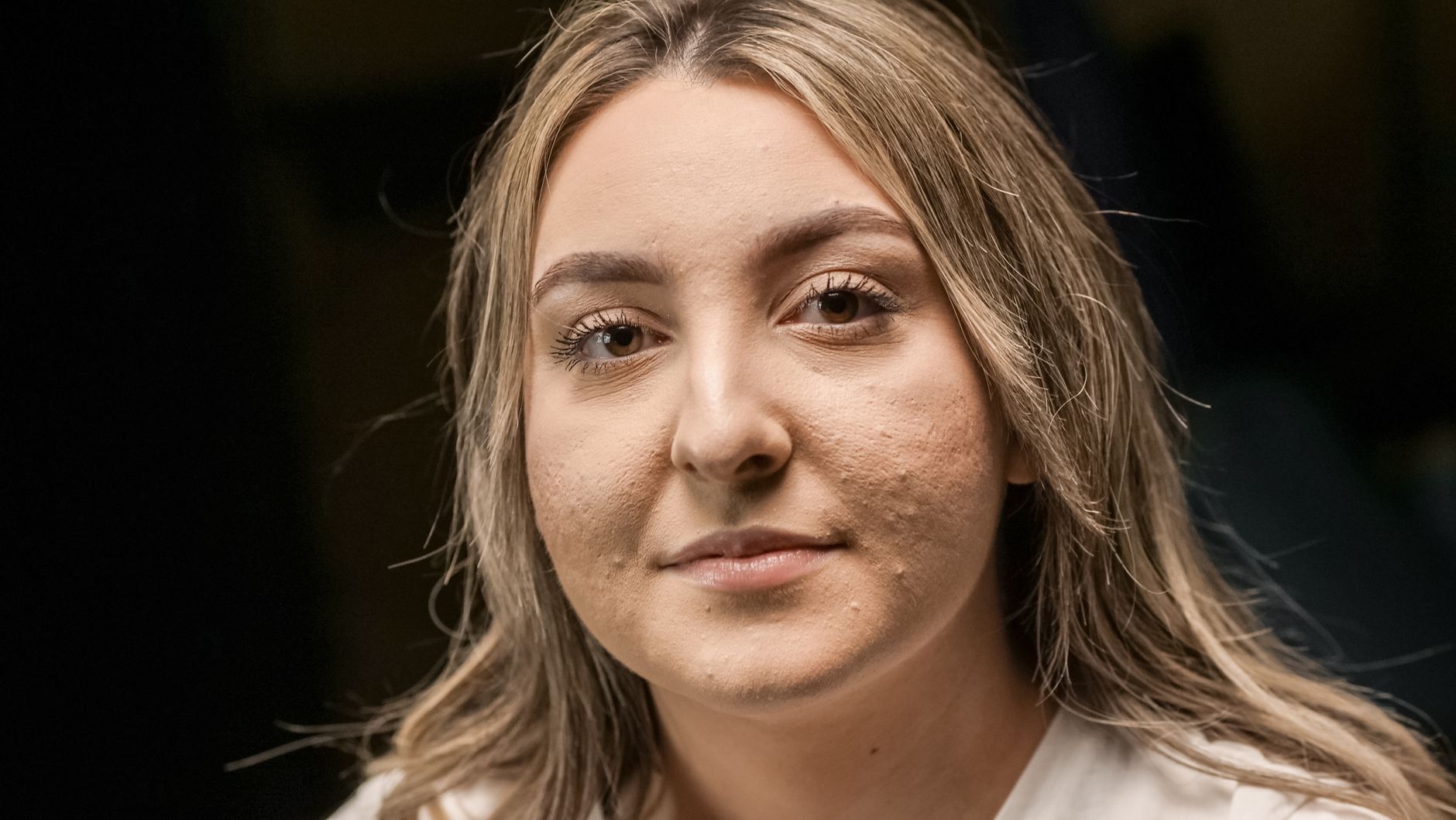
The 36-patient pilot published 10 July 2026 gives adults with persistent acne a direct way to compare three laser and light treatments. It tested intense pulsed light, pulsed dye laser and Q-switched Nd:YAG 1064-nm laser for moderate-to-severe inflammatory acne, and found no clear winner.
Persistent here means red, tender breakouts that continue past the teen years or return despite steady care. That result changes the decision from which device clears most lesions to which fits your pain tolerance, history and drug plan. Use the findings to set expectations, then weigh comfort, safety record and upkeep.
Medical information disclaimer: This article is for general educational purposes only and does not provide medical advice, diagnosis, or treatment. Always consult a physician or other qualified health professional about symptoms, medications, tests, or treatment decisions.
Table of Contents
- What the three options have in common
- Did one device win?
- Where do AviClear and Accure fit?
- How do lasers compare with proven drugs?
- What to ask before booking
What the three options have in common
Intense pulsed light delivers broad pulses of light, while pulsed dye and Nd:YAG devices deliver focused laser beams. In this pilot all three were used for inflamed, tender breakouts rather than blackheads alone. That focus matters for adults whose main burden is painful red bumps.
A fair comparison looks at lesion counts, clinician severity scores and daily-life impact together. Pain during treatment and short-term skin changes matter just as much for planning. The pilot was built around that full picture, not clearing alone.
Did one device win?
Researchers assigned 36 patients with moderate-to-severe inflammatory acne to intense pulsed light, pulsed dye laser, or Q-switched Nd:YAG 1064-nm laser. No group beat the others on lesion counts or severity scores at any session, with P-values from 0.06 to 0.92. Each group improved significantly over time. PubMed/Springer Lasers in Medical Science published the three-arm trial on 10 July 2026, as reported in the trial abstract.
In the same trial, Cardiff Acne Disability Index scores fell significantly, signaling better daily life in all three arms. Safety was favorable, with only mild redness in one pulsed-dye-laser participant. The Nd:YAG group reported less treatment pain than the other groups. With only 36 patients and no large blinded follow-up, the pilot cannot prove equal long-term value. Treat it as a signal to compare on comfort and fit, not proof that devices are interchangeable.
Where do AviClear and Accure fit?
A newer class uses 1,726-nm wavelength to heat sebaceous glands, the oil-making glands, and sebum while sparing outer skin. Healio Dermatology describes AviClear and Accure in this class for mild-to-severe acne, with FDA clearances in April and November 2022, in Healio's dermatology report.
That target differs from the pilot devices, which were compared for inflammatory lesions without that selective gland-heating claim. For readers, the practical contrast is broader eligibility and a different safety story to discuss. Ask how many sessions, what upkeep looks like, and what skin types the clinic treats most.
How do lasers compare with proven drugs?
The American Academy of Dermatology 2024 guideline found insufficient evidence for routine laser use, as Dermatology Advisor notes in its guideline summary. The same caution covered chemical peels, microneedling and radiofrequency. For comparison shopping, that places devices as add-ons rather than first choices.
MDedge's summary of the same guideline lists the standards to compare against in MDedge's guideline summary. Most adult plans start with topicals, add oral or hormonal care for stubborn inflammation, and reserve isotretinoin for severe disease. Compare any laser quote against those options on evidence strength, total cost and relapse plan. Drugs carry their own side effects, so intolerance or past failure is often the reason to discuss a device.
- topical retinoids, benzoyl peroxide and topical antibiotics for ongoing care
- oral doxycycline or minocycline for wider inflammatory breakouts
- hormonal therapy where appropriate, and isotretinoin for severe disease
What to ask before booking
Bring your treatment history, including what topicals, antibiotics or hormonal care helped or caused problems. Clinics can then judge whether a device adds value or repeats a poor fit. Small pilots help most when your history is clear.
If pain worries you, note that the pilot's Nd:YAG arm reported less treatment pain, and ask about cooling, numbing and redness care. Ask about session count, interval, sun care and who to call for flares. Leave with a written plan that names the drug routine plus the device role, not a device alone.
You Might Also Like
- Treatment Response in the 2026 Cumulative Isotretinoin Dose Trial: Questions Adults With Persistent Acne Can Ask a Dermatologist
- Treatment Response in the 2026 Cumulative Isotretinoin Dose Trial: Study Design and Evidence Limits for Adults With Persistent Acne
- Topical Clascoterone Evidence Revisited in 2026: A Source-Checked 2026 Briefing for Adults With Persistent Acne