
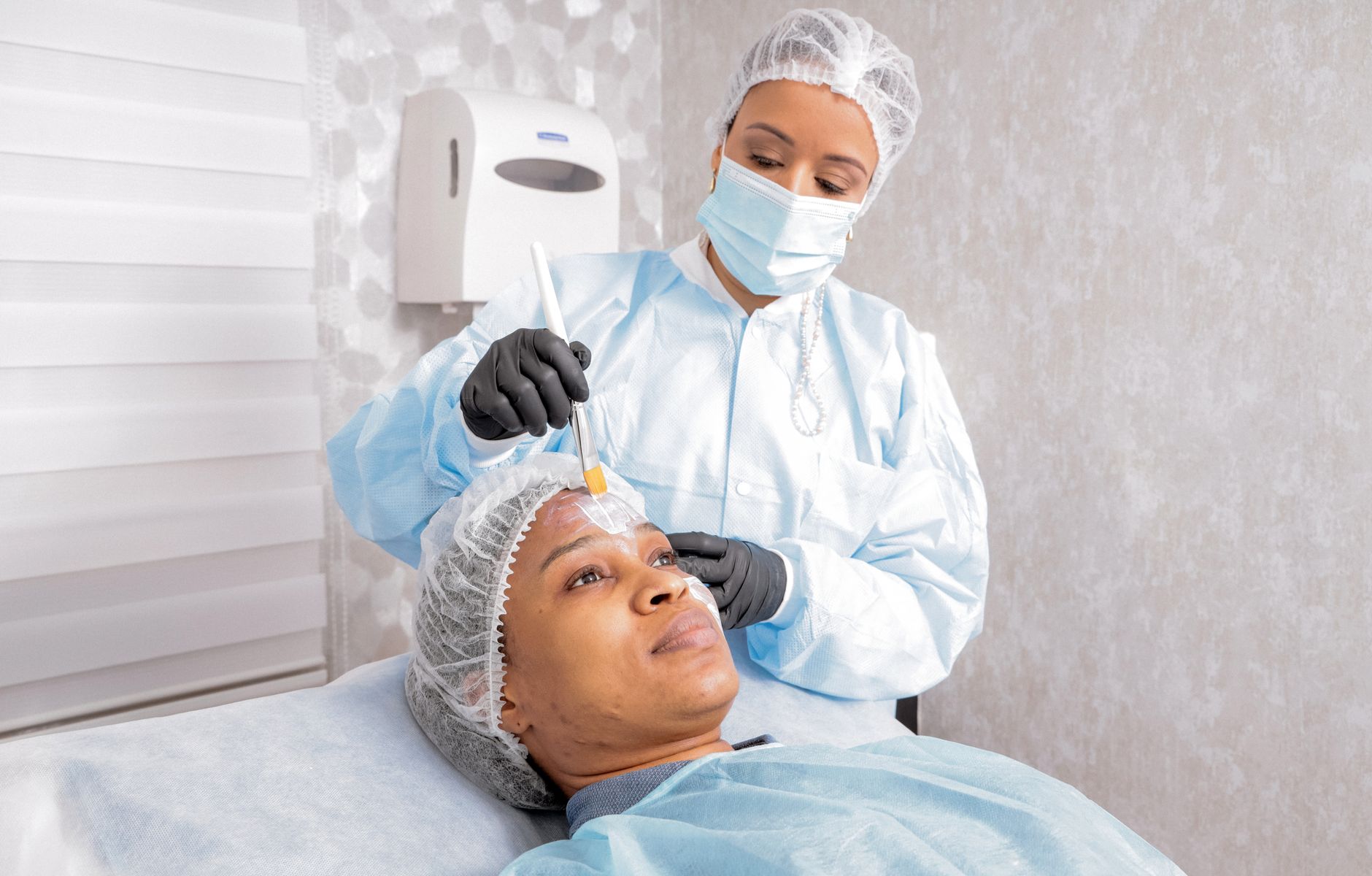
The 2026 trial studied adults with facial atrophic acne scars, meaning shallow depressions that remain after acne heals. It did not cover active acne, raised hypertrophic scars, keloids, or darker skin tones. The trial enrolled 33 patients, with 30 completing treatment and follow-up, according to the U.S.
National Library of Medicine PubMed record. Split-face means one cheek received radiofrequency microneedling and the other received fractional CO2 laser. An evaluator who did not know the side assignments graded the results.
Medical information disclaimer: This article is for general educational purposes only and does not provide medical advice, diagnosis, or treatment. Always consult a physician or other qualified health professional about symptoms, medications, tests, or treatment decisions.
Table of Contents
- What did the trial compare?
- Who fit the study profile?
- Who was screened out?
- What did early results suggest?
- What should you review before treatment?
What did the trial compare?
Radiofrequency microneedling, or RFMN, uses tiny needles plus heat energy in the deeper skin. Fractional CO2 laser, or FCO2, uses beams of light to remove small columns of surface skin. Both aim to trigger collagen and smooth depressed scars.
The stated comparison covered efficacy, recovery, pigmentary safety, and patient-reported outcomes, according to the ResearchGate publication record. Efficacy means scar improvement. Recovery means downtime, redness, and peeling. Pigmentary safety means dark or light marks after healing.
Who fit the study profile?
The target group was adults with facial atrophic scars treated with a standalone device. That group generally includes three subtypes: icepick narrow deep pits, rolling broad wavy dips, and boxcar sharp-edged hollows. Most acne-scar patients have a mix.
A closely related split-face registry for the same two treatments required age 18 or older. It required similar atrophic disease on each cheek for fair side-to-side comparison. It focused on predominantly rolling scars in Fitzpatrick types I-III, meaning light skin that burns easily and rarely tans deeply.
Who was screened out?
The same-comparison protocol excluded pregnant or nursing women. It excluded recent isotretinoin use within six months and current NSAID or prednisolone use. It also excluded keloid or hypertrophic-scar tendency, infection in the treatment area, and inability to follow protocol.
Those rules protect healing and keep results clear. Isotretinoin, infection, and immune-suppressing drugs change wound repair. Keloid tendency signals risk of raised scarring from heat or laser injury.
What did early results suggest?
The abstract reports RFMN had higher efficacy satisfaction after the first session. It reports higher safety satisfaction at all follow-ups for RFMN than for FCO2. It also reports faster recovery and fewer pigmentary events with RFMN.
Results come from a small, single-session, split-face design with short follow-up. With only 30 completers, findings are exploratory rather than proof for every patient. They do not extend to darker skin, active acne, hypertrophic scars, or keloids.
What should you review before treatment?
Scar subtype, skin type, downtime, and post-inflammatory hyperpigmentation risk should be reviewed first. Both devices can improve scarring, but CO2 caused more discomfort and pigmentary downtime, according to the NIH/PMC Cureus comprehensive review.
Darker skin carries higher mark risk from heat and light. Bring these checks to your visit:.
- Map subtype by cheek: icepick, rolling, boxcar, or mixed
- Confirm skin type and prior dark marks after acne or injury
- State downtime limits for redness, swelling, peeling, and sun avoidance
- List isotretinoin, antibiotics, hormones, NSAIDs, steroids, and keloid history
You Might Also Like
- Radiofrequency Microneedling vs Fractional CO2 for Acne Scars in 2026: Who Was Studied and Who Was Not for People With Atrophic Acne Scars
- Recovery and Pigment Safety in the 2026 Split-Face Acne Scar Trial: Who Was Studied and Who Was Not for People With Icepick Acne Scars
- Antioxidant Serum After Fractional CO2 Acne Scar Treatment in 2026: What the Trial Means for People With Skin of Color