
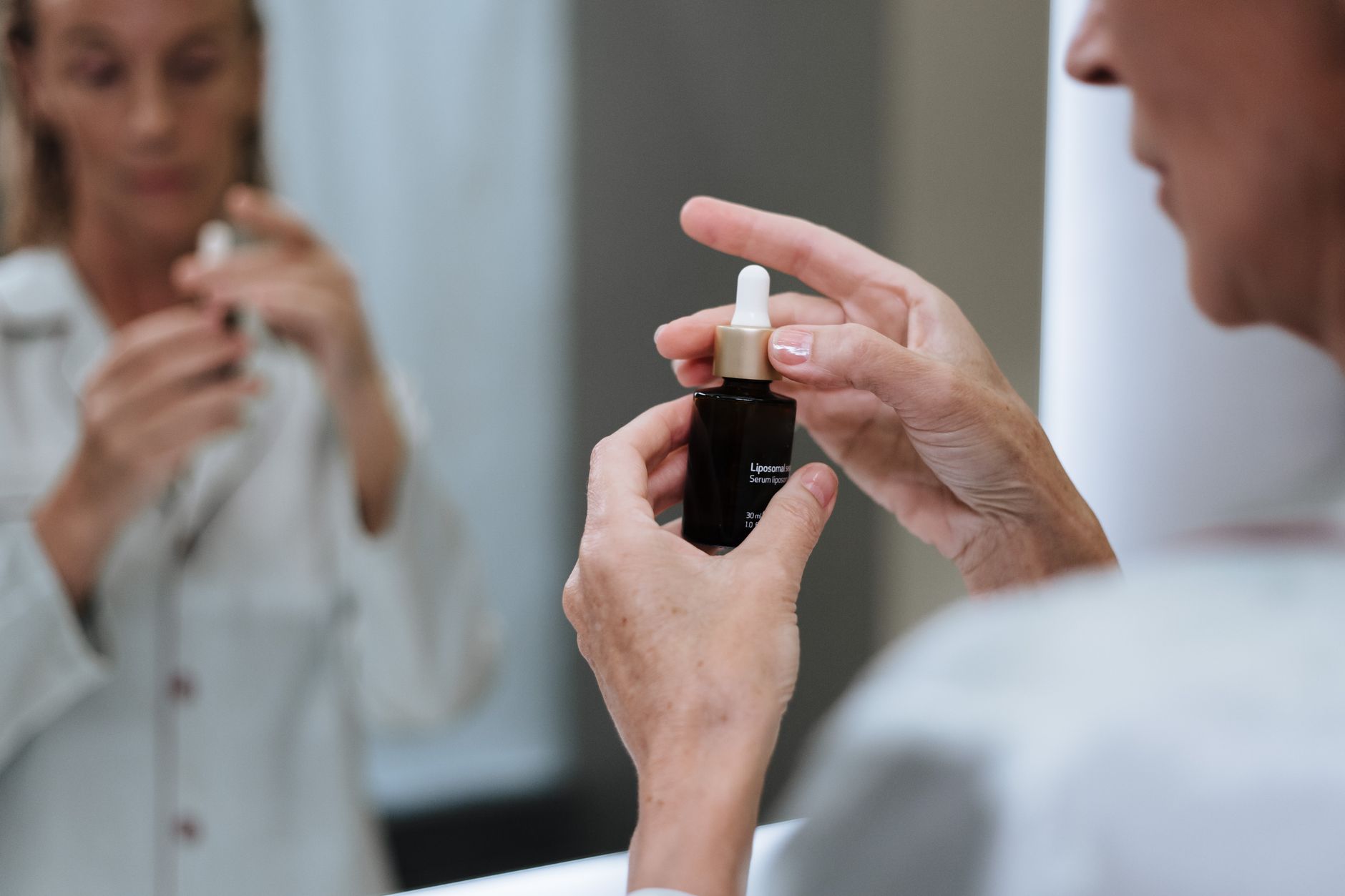
The 2026 trial gives people with skin of color early evidence that vitamin C plus vitamin E plus ferulic acid serum after fractional CO2 laser speeds surface healing and lowers early pigment buildup. Fractional CO2 laser removes narrow columns of skin to remodel depressed atrophic acne scars, and calmer healing matters most where dark marks after laser are common. Shi, Xu and Zhang ran a randomized, investigator-blinded, split-face trial in 64 adults ages 18-50 with moderate-to-severe scars at Shanghai Skin Disease Hospital, as described in the Consultant Live summary. One facial half received CE Ferulic serum after laser and the other received saline for 14 days, with blinded checks of healing, redness, pigment, and barrier signs.
Medical information disclaimer: This article is for general educational purposes only and does not provide medical advice, diagnosis, or treatment. Always consult a physician or other qualified health professional about symptoms, medications, tests, or treatment decisions.
Table of Contents
- What the researchers tested
- Why faster healing matters for skin of color
- Where the evidence stops
- How to discuss aftercare with your dermatologist
What the researchers tested
Each participant acted as their own comparison. Serum went on one cheek-side and saline on the other right after ablative fractional CO2 resurfacing. Treatment continued daily for two weeks, with once-daily and twice-daily groups. The prespecified healing check was complete scab detachment at day 7.
Consultant Live reports that detachment was significantly greater on the antioxidant-serum side than on saline. That points to faster surface closure in the first week. The design reduces person-to-person differences because both treatments face the same skin, laser dose, and climate. Blinded outcome assessment further limits bias in judging redness, pigment, and scab loss.
Why faster healing matters for skin of color
Ablative CO2 resurfacing often triggers post-inflammatory hyperpigmentation in Fitzpatrick types III-VI, with one cited series reporting as high as 92% in type IV, according to a 2025 Journal of Cosmetic Dermatology review. For brown skin, prolonged redness and inflammation can turn into months of dark marks. Serum-treated skin showed greater drops in erythema index and melanin index than saline, plus better-preserved water loss and hydration, according to the original trial report.
Erythema index tracks redness, melanin index tracks pigment, and water loss tracks barrier harm. Together, those shifts suggest faster repair and less pigment activation. They do not prove smoother scars, but they address the complication readers with skin of color fear most.
Where the evidence stops
The follow-up lasted only 14 days in a Chinese cohort. Short follow-up can capture scabs, redness, and early pigment but not final scar remodeling, which takes months. The trial did not directly measure acne-scar appearance improvement.
Funding came from L'Oreal, with serum supplied by SkinCeuticals, so independent longer trials in more diverse populations would strengthen confidence. Read the result as wound-care evidence, not proof of better scars. It supports healing after laser rather than replacing laser settings, prime choices, or pigment precautions tailored to darker skin.
How to discuss aftercare with your dermatologist
Ask whether a vitamin C plus E plus ferulic acid product fits your post-laser plan, how often to apply it, and when to stop if stinging, rash, or spreading darkening occurs. Bring your full pigment history, including melasma, prior dark marks after pimples or procedures, and current lightening agents.
Pair any serum with strict sun control, because ultraviolet light drives post-laser pigment. Dermatologists quoted by MDedge advise daily broad-spectrum SPF 30 or higher, mineral or tinted iron-oxide formulas, sun avoidance, and no laser on tanned or soon-to-be sun-exposed skin in post-laser complication guidance.
- Schedule laser when you can avoid strong sun for weeks
- Wear broad-spectrum SPF 30+ daily and reapply as directed
- Use shade, hats, and tinted iron-oxide sunscreen if recommended
- Call promptly for blistering, infection signs, or expanding dark patches
You Might Also Like
- Antioxidant Serum After Fractional CO2 Acne Scar Treatment in 2026: What Longer Follow-Up Must Show for People With Icepick Acne Scars
- Antioxidant Serum After Fractional CO2 Acne Scar Treatment in 2026: A Source-Checked 2026 Briefing for People With Icepick Acne Scars
- Vitamin C, Vitamin E, and Ferulic Acid After Acne Scar Laser in 2026: What the Trial Means for People With Skin of Color