
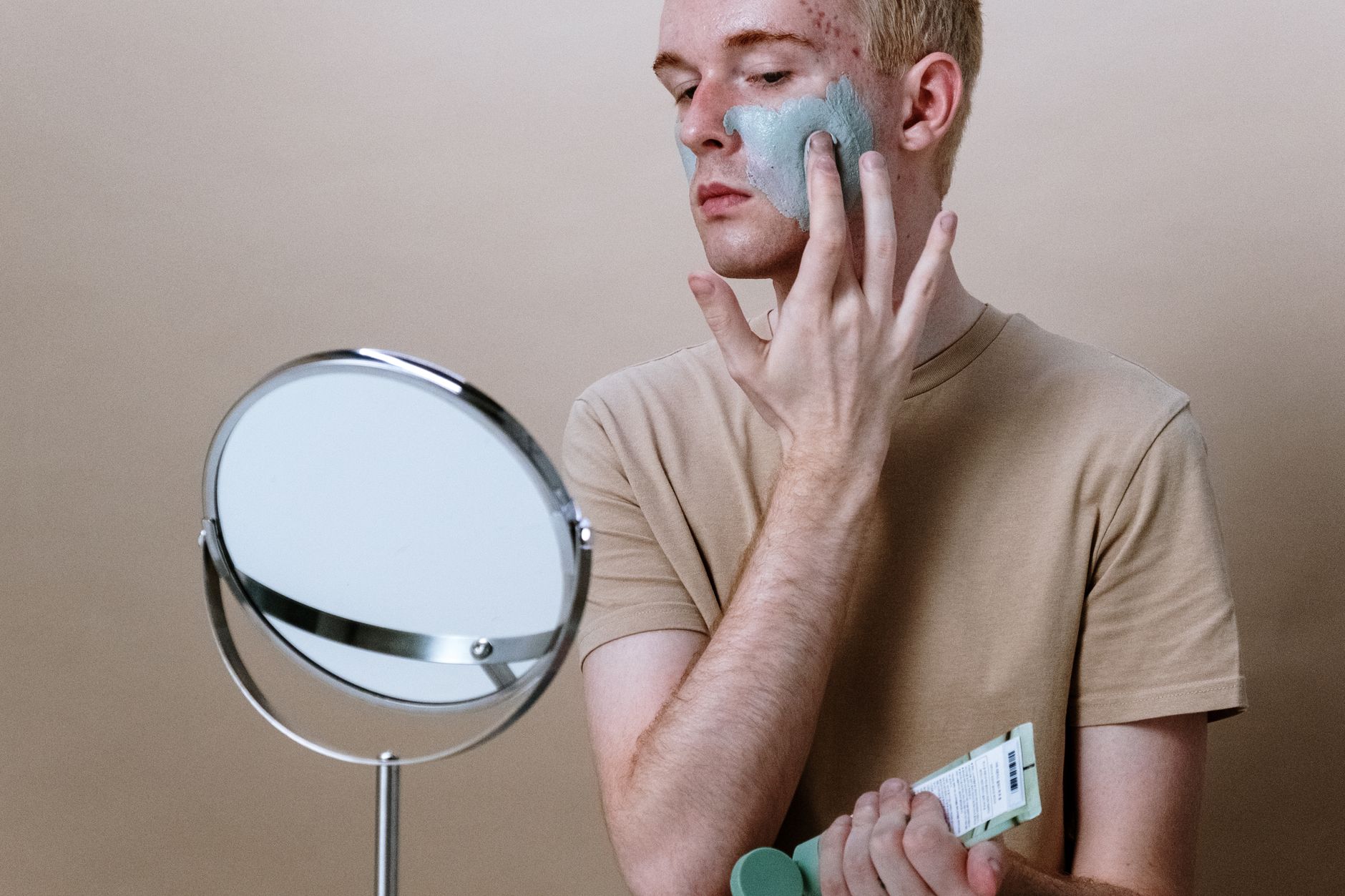
Teledermatology for acne means a dermatologist grades breakouts and plans treatment from facial photos plus medical history. For 2026, photo-based care fits many acne cases for grading and follow-up, while strong drugs and product storage need added safety steps. This guide explains what virtual exams get right, which prescriptions fit online care, and how to lower risk. Use it to prepare photos, ask clear questions, and spot warning signs that need in-person care.
Medical information disclaimer: This article is for general educational purposes only and does not provide medical advice, diagnosis, or treatment. Always consult a physician or other qualified health professional about symptoms, medications, tests, or treatment decisions.
Table of Contents
- How well do photo exams grade acne?
- Which treatments can virtual care offer?
- When is isotretinoin an option online?
- How do you store benzoyl peroxide safely?
How well do photo exams grade acne?
Store-and-forward teledermatology means a dermatologist reviews saved photos and history after the visit. The Journal of Clinical and Aesthetic Dermatology studied 105 patients using five-view facial photos plus history. It found good agreement with in-person grading, with kappa 0.611 and most cases rated moderate by both, as described in the 2023 photo-grading study.
That result supports photo triage for typical facial acne when images are clear and history is complete. It does not prove the method fits every case, such as unclear lesions or rapid change. Share sharp, well-lit images and note duration, prior treatments, and scarring or distress.
Which treatments can virtual care offer?
Virtual visits most directly support standard topical and oral options. The American Academy of Dermatology strongly recommends topical benzoyl peroxide and topical retinoids such as adapalene and tretinoin, as listed in the AAD update. The same AAD guideline also strongly recommends topical antibiotics in combination regimens and oral doxycycline.
Combination regimen means an antibiotic paired with another acne treatment, not used alone. Tell the doctor about prior irritation, antibiotic use, and current topicals so dosing stays workable. Ask when to return photos if redness, peeling, or lack of change occurs.
When is isotretinoin an option online?
Isotretinoin needs tighter selection than routine topicals. A 2025 review in the Journal of Cutaneous Medicine and Surgery found mobile-phone photo care adequately met needs of moderate-to-severe patients considered for isotretinoin. One included study reported an 87.94% reduction in Global Acne Grading System scores during virtual management. The same AAD guideline limits oral isotretinoin to selected patients.
It covers severe acne, acne causing scarring or psychosocial burden, or acne failing standard topical or oral therapy. That limit keeps telehealth prescribing for appropriately chosen cases. Monitoring still applies. Healio, reporting FDA action, notes iPLEDGE permits pregnancy testing outside a medical setting during and after treatment, as explained in the iPLEDGE update report. The same FDA change ends monthly iPLEDGE qualification for patients who cannot become pregnant, while lab and enrollment monitoring continue.
- Severe acne, scarring, major distress, or failure of standard therapy
- Ability to complete required labs and iPLEDGE enrollment
- Clear photos plus history for ongoing review
How do you store benzoyl peroxide safely?
Benzene worry centers on breakdown in some benzoyl peroxide products, not on every tube. The FDA tested 95 benzoyl peroxide acne products, as summarized in the FDA benzene testing update. It found more than 90% had undetectable or extremely low benzene, while six products showed elevated benzene and faced limited voluntary retail recalls.
Storage affects risk. The American Academy of Dermatology advises replacing benzoyl peroxide products every 10-12 weeks and discarding products exposed above 78°F. It also says people who remain concerned can switch to retinoids, salicylic acid, or azelaic acid.
- Replace tube every 10-12 weeks
- Throw away product stored above 78°F
- Ask about retinoid, salicylic acid, or azelaic acid if concerned