
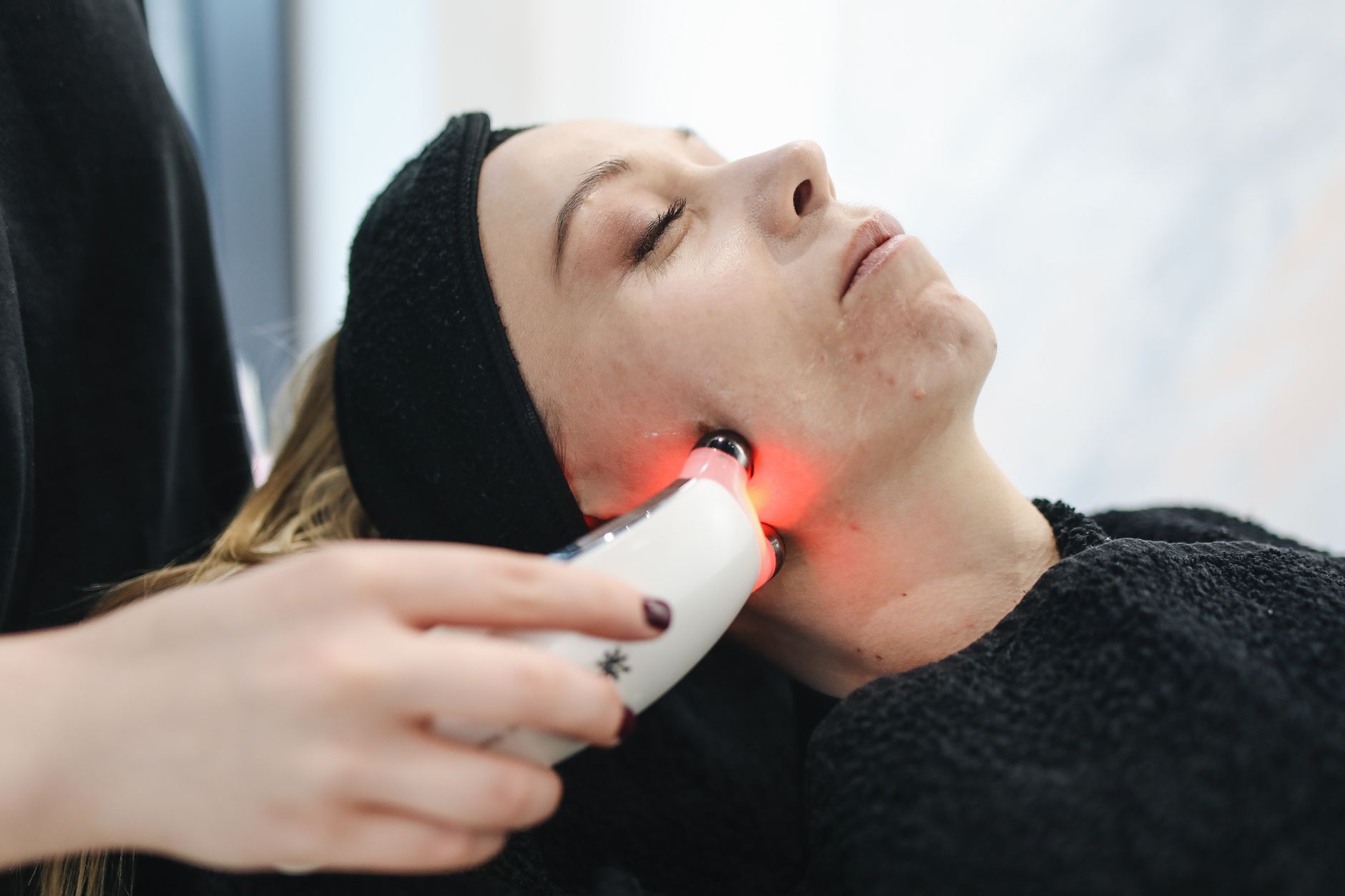
Microneedling is a good option for many adults with depressed acne scars, but it takes multiple clinic visits and months to see full change. Microneedling means puncturing the top skin layer with thin needles to start healing and build firming collagen and elastin. According to the Cleveland Clinic, this healing response can soften depressed scars rather than erase them overnight Cleveland Clinic treatment overview. This guide helps you decide if the benefit, schedule, cost in time, and risks fit your skin.
Medical information disclaimer: This article is for general educational purposes only and does not provide medical advice, diagnosis, or treatment. Always consult a physician or other qualified health professional about symptoms, medications, tests, or treatment decisions.
Table of Contents
- Which scars may improve?
- How well does it work alone or combined?
- What does the course involve?
- What are the risks and safety steps?
Which scars may improve?
Depressed scars are the main target. These are shallow pits left after inflamed acne heals with less collagen. A 2021 review of nine randomized controlled trials found microneedling efficacious for atrophic acne scars alone or with other treatments and generally well tolerated National Library of Medicine review.
Atrophic means indented or thinned skin. The U.S. Food and Drug Administration has cleared prescription devices to improve facial acne scars in women and men aged 22 and older FDA device page. Ask a clinician whether your scar type, skin tone, and health history fit that use.
How well does it work alone or combined?
Alone, it can make pits look shallower and skin feel firmer. Combined care often works better for stubborn marks. A 2025 systematic review and meta-analysis found combined microneedling plus chemical peeling superior to either treatment alone for atrophic acne scars.
Peeling means applying a solution that removes outer skin layers so smoother skin can replace them. That result matters if one method has stalled. A combination plan may raise improvement without adding a very aggressive procedure.
What does the course involve?
Plan for a course, not a single visit. Acne-scar courses commonly use multiple sessions spaced about 3-8 weeks apart. Full remodeling develops over about 3-6 months rather than immediately.
Collagen and elastin build slowly after each injury-healing cycle. Use the waiting period to judge change. Take same-light photos monthly, keep sun protection steady, and avoid picking or harsh peels between visits unless directed.
What are the risks and safety steps?
Every device carries some risk. FDA warns of skin damage, bleeding, bruising, infection, pigment change, and allergic or systemic reactions.
Motorized devices can reach nerves, vessels, and deeper tissue. FDA says consumers should use a trained health-care provider and avoid at-home scar needling.
- Postpone treatment over active acne or infection
- Seek clinic care, not a home roller or pen
- Confirm the device is FDA-cleared for scars
- Report lasting pain, spreading redness, swelling, fever, or dark or light patches