
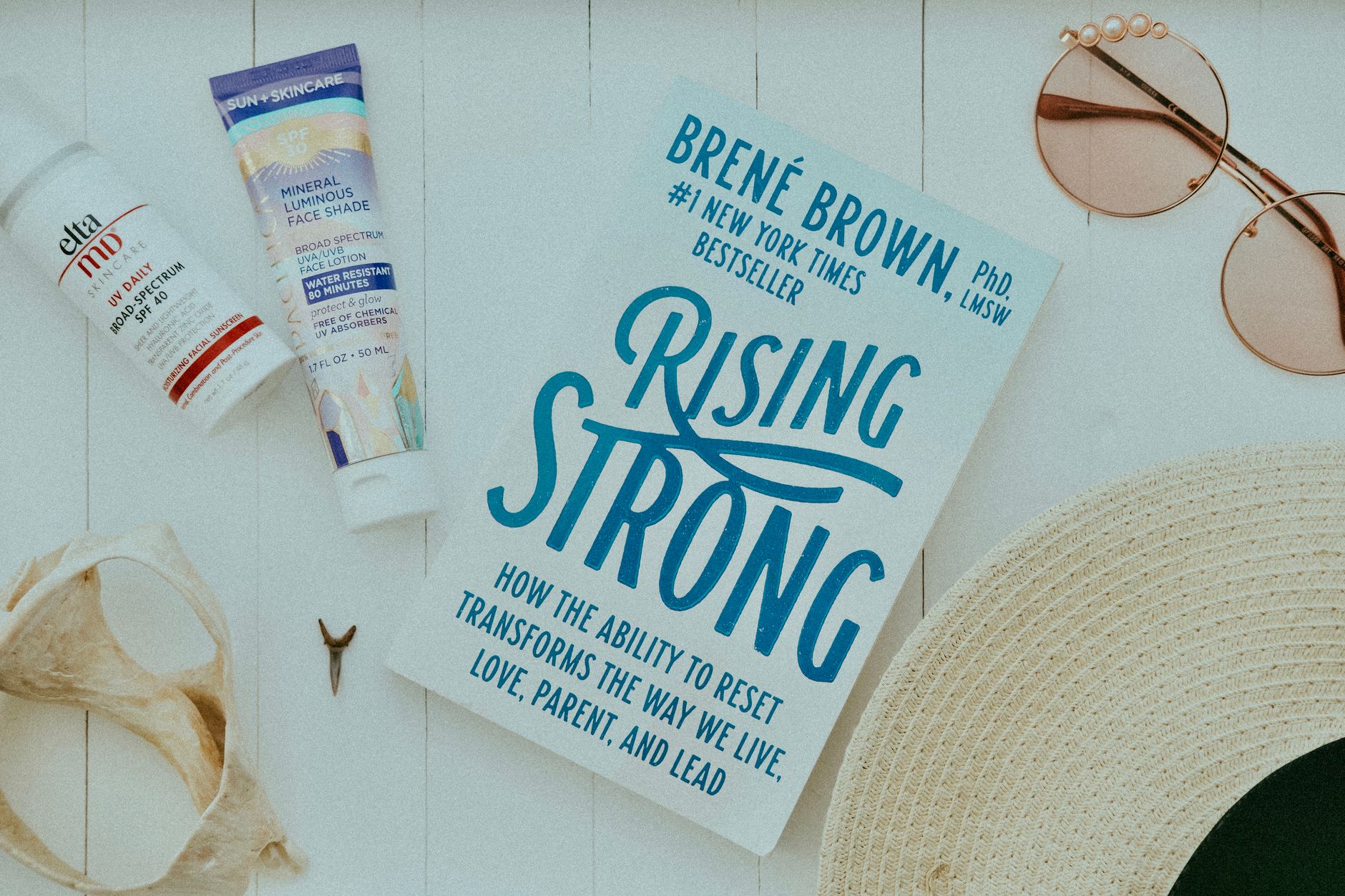
Sunscreen breakouts are clogged pores, irritation, or pimples triggered by a sunscreen formula, not by sun protection itself. Beginners can usually stop them by changing the formula rather than skipping sunscreen.
A breakout means new blackheads, whiteheads, or tender red spots after starting a product. Safety still matters, because unprotected skin faces sunburn, aging, and skin-cancer risk. This overview explains causes, formula choices, and habits that lower risk.
Medical information disclaimer: This article is for general educational purposes only and does not provide medical advice, diagnosis, or treatment. Always consult a physician or other qualified health professional about symptoms, medications, tests, or treatment decisions.
Table of Contents
- Why does sunscreen cause breakouts?
- Which formula suits breakout-prone skin?
- How much sun protection do beginners need?
- How can you prevent flares without losing protection?
Why does sunscreen cause breakouts?
Heavy base ingredients can trap oil, sweat, and dead skin inside pores. Fragrance and some UV filters can also irritate sensitive or acne-prone skin. The American Medical Association reports that the SPF number itself is usually not the cause, so changing formulas makes more sense than skipping protection in its sunscreen guide.
Thick creams, butters, and oils pose more risk for oily or acne-prone beginners. Skipping cleansing, layering too many products, or sleeping in sunscreen can worsen clogging. Touching the face and heavy makeup over sunscreen add friction and trapped residue.
Which formula suits breakout-prone skin?
Look first for "non-comedogenic" or "oil-free" on the label. The American Medical Association says that wording means the product is formulated to avoid clogging pores and causing excess acne in its sunscreen guide. Mineral formulas with zinc oxide or titanium dioxide sit on the skin surface to block rays.
Cleveland Clinic dermatologists say they are less likely to clog pores and are a good option for oily or acne-prone skin in its mineral-chemical comparison. Chemical formulas absorb into skin and absorb UV rays, often feeling lighter and clearer. The same Cleveland Clinic source says they may irritate sensitive or acne-prone skin, while mineral formulas can feel heavier or leave white cast. Beginners with frequent stinging or redness often tolerate a fragrance-free mineral lotion better.
How much sun protection do beginners need?
Dermatologists recommend broad-spectrum, water-resistant sunscreen with SPF 30 or higher for all uncovered skin, according to the American Academy of Dermatology in its sunscreen FAQs. Broad-spectrum means it guards against both UVA and UVB rays. Apply generously to the face, ears, neck, hands, feet, and lips. Adults need about one shot-glass ounce for full-body coverage, and protection matters even on cloudy days.
A light gel or fluid can make full coverage easier for oily skin. Choose daily-wear textures you will actually use. A sheer mineral fluid suits many acne-prone users, while a water-resistant sport lotion suits swimming or outdoor work. Keep the high SPF, but change the base until breakouts calm.
How can you prevent flares without losing protection?
Patch-test a new sunscreen on a small jawline area for several days. Use a gentle cleanser at night, moisturize lightly when needed, and avoid picking new spots.
Stop products that burn, itch, or cause rapid clusters of pimples. The FDA advises that reapplying schedule and shade habits work alongside sunscreen, described in its sunscreen protection guide. If breakouts persist after two careful formula changes, see a dermatologist for personalized care.
- Apply the full amount in the morning before makeup or outdoor time
- Reapply at least every two hours, sooner after swimming or heavy sweating
- Limit midday sun around 10 a.m. to 2 p.m. when possible
- Wear a hat, sunglasses, and long sleeves for extra cover