
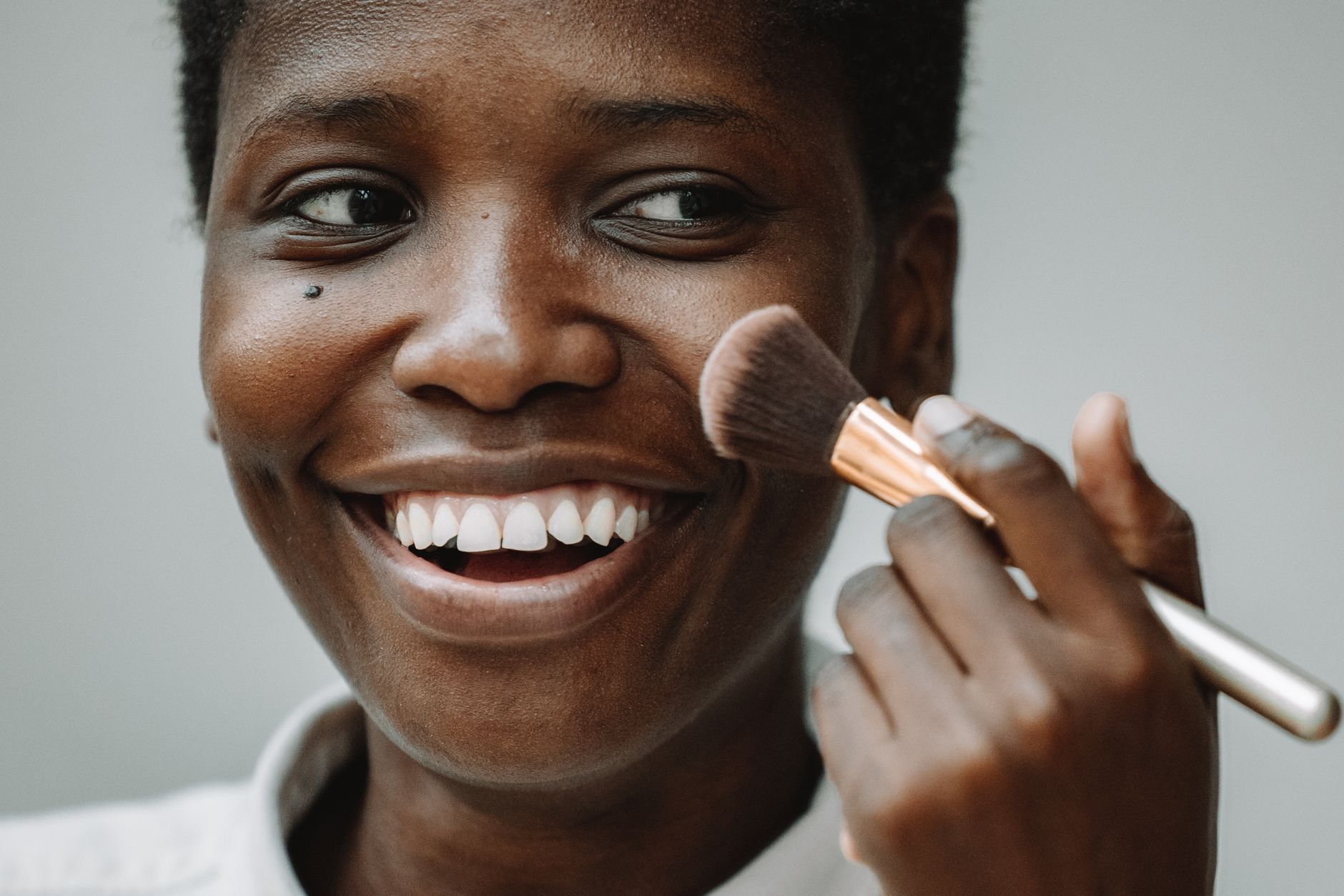
Yes, 2026 acne AI still works less well for people with skin of color. Gaps in training images, testing, and app design lower accuracy on brown and dark skin. Acne AI here means phone apps and clinic tools that grade breakouts from photos.
Skin of color faces higher stakes from missed acne. Dark spots and thickened scars form more easily after inflamed breakouts. This briefing shows where the gap comes from and how to get safer care.
Medical information disclaimer: This article is for general educational purposes only and does not provide medical advice, diagnosis, or treatment. Always consult a physician or other qualified health professional about symptoms, medications, tests, or treatment decisions.
Table of Contents
- How accurate is acne AI on dark skin?
- Why does training data skew results?
- What should fair validation include?
- How can you protect skin while tools improve?
How accurate is acne AI on dark skin?
A January 2026 UCLA Proceedings test of four consumer AI skin apps including acne found diagnostic agreement fell from 25.0% for Fitzpatrick I-II to 18.4% for V-VI. Fitzpatrick I-VI is the six-group scale dermatologists use for skin from very light to very dark. Inter-app agreement was near zero in the UCLA app comparison. Stanford researchers found the same pattern in clinic-grade models.
State-of-the-art dermatology AI performed substantially worse on dark skin tones and uncommon diseases in the Diverse Dermatology Images benchmark. Dermatologist labelers were also less accurate, but fine-tuning on diverse images narrowed the gap, according to Science Advances in the DDI benchmark report. For acne, that means users with dark skin should not rely on apps alone. Use an app result as a note for a clinician, not a diagnosis.
Why does training data skew results?
Widely used sets such as Fitzpatrick17k remain heavily skewed toward lighter tones, a cost-aware bias study reports. Models trained on that mix consistently underperform on brown and darker skin. The medRxiv preprint authors link the miss rate directly to tone imbalance. Synthetic data has not fixed the gap. Researchers generating 4,000 dermatology images in June-July 2024 found poor diagnostic accuracy.
Patient Care Online reports the generated set underrepresented darker tones versus U.S. Census distribution by chi-square analysis. Acne-specific models are narrow too. An acne-severity transfer-learning experiment in Cosmetics used only Fitzpatrick III and IV facial images. Its accuracy has not been established for very light types I-II or dark types V-VI.
What should fair validation include?
The U.S. FDA draft guidance Artificial Intelligence-Enabled Device Software Functions recommends validation data represent the intended population.
Sponsors should disclose training demographics, blind spots, bias controls, and postmarket monitoring in the FDA draft guidance. Before trusting an acne tool, ask for that evidence. A product without tone-specific testing is a weak fit for skin of color.
- Ask what Fitzpatrick types were in training and testing
- Ask accuracy by skin tone, not overall accuracy only
- Ask how bias was checked and monitored after launch
- Prefer tools tested on V-VI acne, not only light or medium skin
How can you protect skin while tools improve?
The American Academy of Dermatology warns people with darker skin and acne face higher risk of post-inflammatory hyperpigmentation dark spots and thickened keloid-like scarring. Picking, squeezing, and irritating products raise that risk, according to the Academy in the skin-of-color acne tips. Treat early breakouts gently and track color change.
Avoid picking or squeezing inflamed spots. Stop scrubs, alcohol toners, and harsh peels that sting or burn. Bring dated photos in daylight, a list of products, and the app result to a board-certified dermatologist. Ask about tone-specific risks for dark spots and scarring at that visit.
You Might Also Like
- Skin-Tone Equity Gaps in 2026 Acne AI Research: Red Flags and Safety Limits for People With Skin of Color
- Skin-Tone Equity Gaps in 2026 Acne AI Research: How People With Skin of Color Can Compare Acne Apps
- Recovery and Pigment Safety in the 2026 Split-Face Acne Scar Trial: A Source-Checked 2026 Briefing for People With Boxcar Acne Scars