

Perimenopause can trigger acne in women who have never struggled with breakouts before, even in their 30s and 40s. This happens because fluctuating estrogen and progesterone levels shift the skin’s oil production and bacteria balance, creating conditions that favor acne development. A woman with perfectly clear skin at 30 might find herself dealing with persistent chin and jawline breakouts by 34 when her hormonal cycle begins to destabilize—not because her skincare routine failed, but because her endocrine system is changing.
This phenomenon surprises many women because acne is often associated with teenage years. The reality is that hormonal acne during perimenopause follows a different pattern than teen acne. It typically appears along the lower face, cheeks, and jawline rather than across the entire face, and it’s often deeper, more inflammatory, and slower to respond to standard acne treatments. Understanding why this happens—and how to treat it—is essential for regaining skin confidence during this transitional phase.
Table of Contents
- Why Does Perimenopause Trigger Acne in Women With Previously Clear Skin?
- How Hormonal Fluctuations Change Skin Chemistry and Barrier Function
- The Specific Pattern of Perimenopause Acne: Location and Characteristics
- Treatment Approaches That Address Perimenopause Acne at the Root
- Common Pitfalls and Limitations in Treating Hormonal Acne
- Skincare Adjustments That Support Perimenopause Acne Treatment
- Long-Term Management and What to Expect as Hormones Stabilize
- Conclusion
Why Does Perimenopause Trigger Acne in Women With Previously Clear Skin?
During perimenopause, the ovaries begin producing erratic amounts of estrogen and progesterone rather than consistent monthly amounts. This hormonal turbulence starts typically in the late 30s or early 40s, though some women experience it as early as their mid-30s. When estrogen drops, sebaceous glands increase oil production, creating an oilier skin environment. Simultaneously, P. acnes bacteria thrive in this excess oil, and inflammation increases due to hormonal signaling that impacts immune response in the skin. The shift is so pronounced because stable hormones before perimenopause kept sebum production relatively regulated.
Now, with fluctuations happening every few days or weeks instead of following a predictable 28-day cycle, the skin doesn’t adapt. A woman might have clear skin for two weeks, then experience a sudden breakout when her estrogen dips. This unpredictability is one reason perimenopause acne feels different from anything she experienced before—it breaks the mental model of how her skin behaves. Research shows that about 40-50% of women experience worsening acne or new-onset acne during perimenopause. The acne is not caused by poor hygiene or external factors; it’s a direct result of hormonal dysregulation. This is an important distinction because many women blame themselves, thinking they’ve suddenly developed a skincare problem when the real issue is biological.
How Hormonal Fluctuations Change Skin Chemistry and Barrier Function
The skin barrier—that protective outer layer of lipids and proteins—becomes compromised when hormones fluctuate. Estrogen supports barrier health by promoting ceramide production, a crucial lipid that holds the barrier together. When estrogen dips during perimenopause, ceramide levels decline, making the skin drier and more reactive even as sebaceous glands pump out more oil. This creates a confusing state: oily yet dehydrated skin that feels uncomfortable and is more prone to sensitivity and breakouts. This hormonal disruption also affects the skin microbiome.
Estrogen influences the population of beneficial bacteria on the skin’s surface, so when estrogen levels become chaotic, the balance tips toward acne-causing bacteria. Additionally, progesterone’s immunomodulatory effects decline, meaning the skin’s inflammatory response becomes exaggerated. A single clogged pore that would have resolved in three days might become an inflamed papule that lasts two weeks because the body’s natural anti-inflammatory mechanisms are weakened. The limitation here is important: topical skincare alone cannot compensate for this level of hormonal disruption. Even the most expensive moisturizer or acne serum will have limited effectiveness if the underlying hormonal environment remains chaotic. Some women discover this the hard way—spending hundreds on skincare upgrades while their acne worsens because the root cause is internal, not external.
The Specific Pattern of Perimenopause Acne: Location and Characteristics
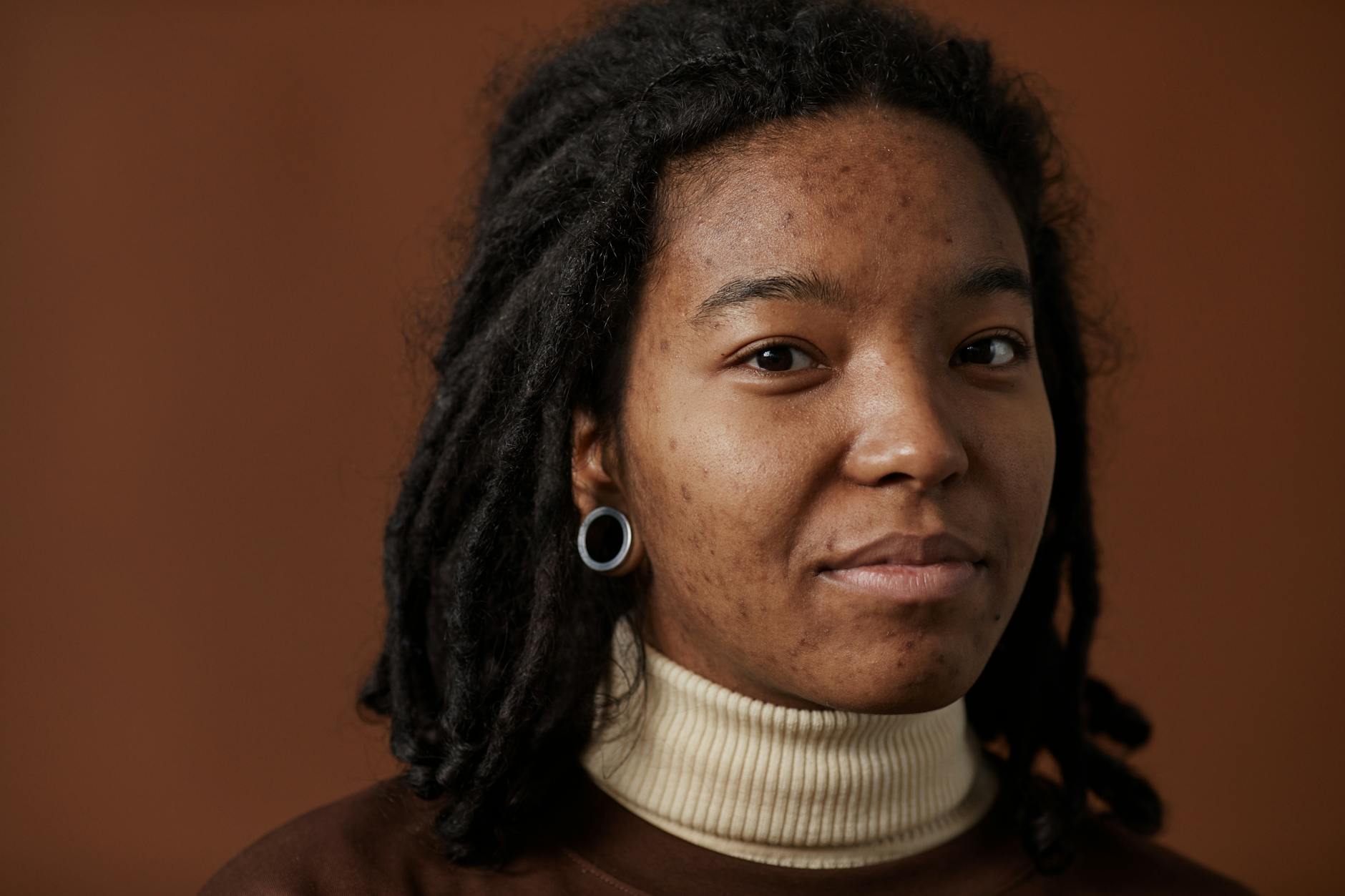
Perimenopause acne typically clusters along the jawline, lower cheeks, and chin—areas rich in androgen receptors that respond to hormonal shifts. This distribution is so consistent that dermatologists often use jawline breakouts as a diagnostic clue for hormonal acne. A woman might notice that her temples and forehead remain clear while her lower face breaks out in deep, painful cysts or papules. This contrasts with typical teenage acne, which spreads across the forehead, nose, and chin more evenly. The acne itself tends to be inflammatory rather than comedonal.
Instead of blackheads or whiteheads, perimenopause acne often manifests as painful nodules or cystic lesions that develop beneath the skin surface. These deep breakouts don’t come to a head easily and can last weeks or even months. A woman who spent her 20s spot-treating whiteheads might find herself dealing with cystic acne for the first time, requiring different treatment strategies and more patience. One important limitation: even treatment-responsive acne can recur in the same location during the next hormonal fluctuation cycle. Unlike acne treated during hormonally stable times, perimenopause acne often returns because the underlying trigger—hormonal chaos—persists. A woman might clear her skin with topical retinoids, only to experience another breakout two weeks later when her hormones shift again.
Treatment Approaches That Address Perimenopause Acne at the Root
Topical treatments remain important, but systemic approaches work better for perimenopause acne. Prescription-strength retinoids like tretinoin increase skin cell turnover and normalize sebum production while providing anti-inflammatory benefits—they work at the cellular level. Oral antibiotics like doxycycline address bacterial overgrowth and have their own anti-inflammatory properties, though long-term use requires monitoring. Many dermatologists combine these approaches: tretinoin at night for cellular renewal, and an oral antibiotic like doxycycline during the most severe breakout phases. For women seeking non-antibiotic options, low-dose oral contraceptives or hormonal treatments specifically designed to stabilize perimenopause symptoms offer another pathway.
Birth control pills containing norgestimate or levonorgestrel, paired with estrogen, can help regulate the erratic hormone fluctuations that trigger acne. Spironolactone, an anti-androgen medication, blocks androgen receptor sensitivity in sebaceous glands, effectively reducing oil production and acne severity. The tradeoff is that hormonal treatments take 2-3 months to show results and aren’t suitable for all women, particularly those with contraindications or those planning pregnancy. Comparison matters here: a woman treating teen acne might see results with benzoyl peroxide and salicylic acid alone, but these same products often underperform for perimenopause acne. The hormonal component requires either hormonal treatment or prescription-strength actives that address inflammation and cell turnover simultaneously. Over-the-counter products alone rarely resolve perimenopause acne completely.
Common Pitfalls and Limitations in Treating Hormonal Acne
Many women worsen their acne during perimenopause by over-treating with strong actives. Because the skin is already hormonally inflamed, adding multiple irritating products—tretinoin, vitamin C, glycolic acid, and niacinamide all at once—can push the skin into a reactive state. The barrier becomes compromised, acne worsens, and the woman assumes the products are causing the breakouts when really the issue is combination irritation. A warning: introduce only one active treatment at a time, allowing 4-6 weeks before adding another. Another common mistake is assuming acne will resolve once perimenopause ends and hormones stabilize through menopause.
In reality, some women continue experiencing acne well into menopause, either because the hormonal shift created a lasting inflammatory state in the skin or because post-menopausal hormonal levels also trigger sebaceous gland activity. Regular dermatology follow-ups during and after the transition help adjust treatments as hormonal conditions evolve. Additionally, stress exacerbates perimenopause acne because cortisol and other stress hormones amplify the effects of estrogen and progesterone fluctuations. A woman who manages stress well might notice her acne improves slightly, while periods of high stress cause sudden flare-ups. This stress-hormone interaction means lifestyle factors—sleep, exercise, stress management—have measurable impacts on skin during perimenopause in ways they might not have during other life stages.
Skincare Adjustments That Support Perimenopause Acne Treatment
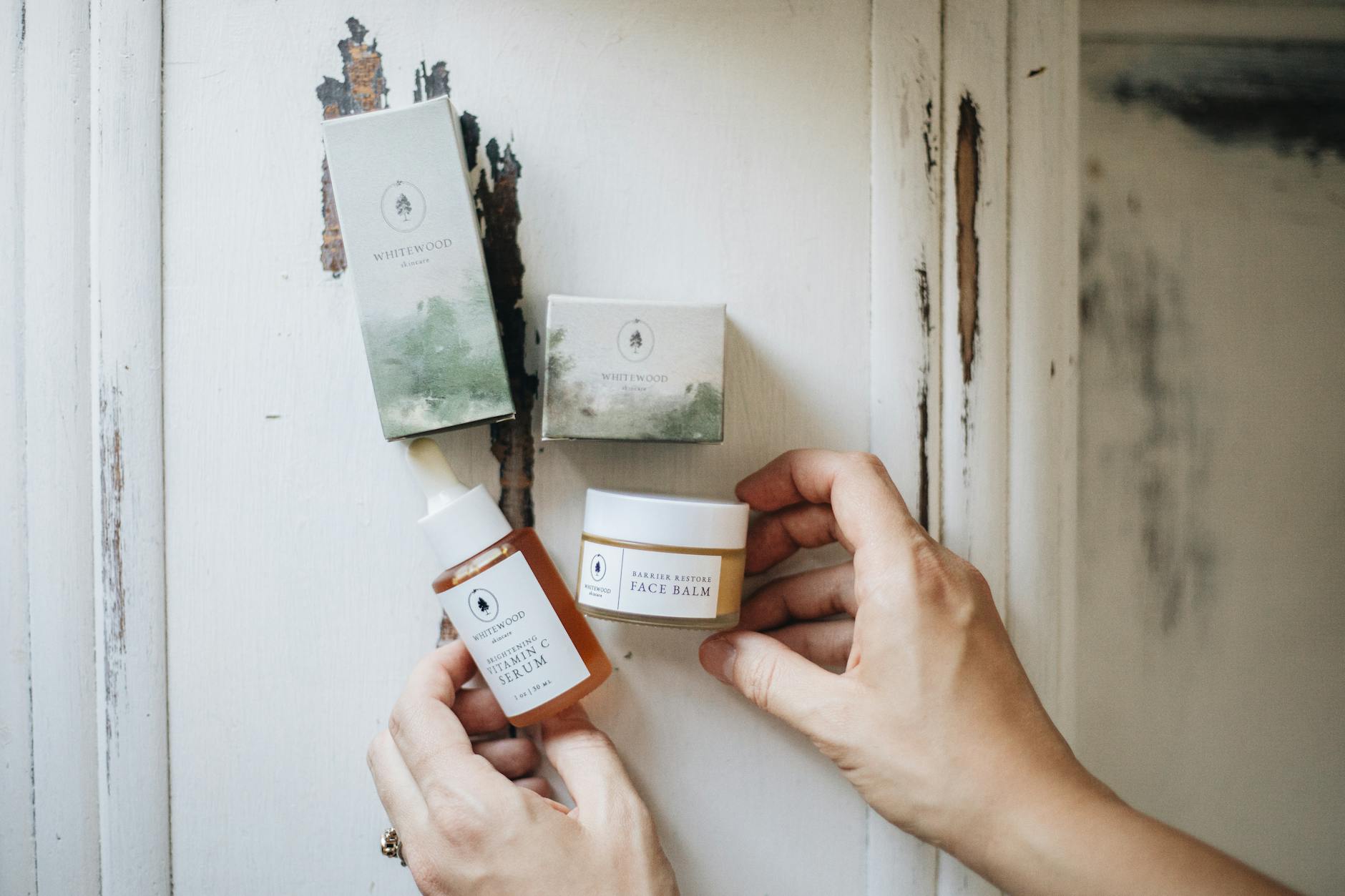
During perimenopause, the skincare foundation shifts. The goal is to support a compromised barrier while managing acne without adding irritation. This means prioritizing ceramide-rich moisturizers, gentle cleansers that don’t strip oils, and targeted anti-inflammatory products like niacinamide or centella asiatica. Many women find that their pre-perimenopause skincare routine—aggressive exfoliation, multiple acids, heavy treatment actives—no longer works.
Scaling back to simpler, barrier-supporting products creates the stable foundation necessary for prescription treatments to work effectively. Sunscreen becomes non-negotiable because many acne treatments (tretinoin, oral antibiotics, hormonal treatments) increase photosensitivity. A woman on doxycycline who skips sunscreen might develop persistent sun sensitivity or melasma alongside her acne, creating a secondary problem that’s harder to reverse. Broad-spectrum SPF 30 minimum daily becomes as essential as the acne treatment itself.
Long-Term Management and What to Expect as Hormones Stabilize
Perimenopause acne is temporary in the sense that it resolves once menopause completes and hormones stabilize, but the timeline is unpredictable—the transition phase can last 4-10 years. Rather than waiting passively, proactive treatment during this period prevents the scarring, hyperpigmentation, and skin damage that uncontrolled acne can cause. A woman who treats her perimenopause acne aggressively now avoids post-menopausal skin complications.
As she enters full menopause and hormones stabilize at lower, consistent levels, acne typically improves and eventually resolves. However, the skin barrier changes persist, requiring continued attention to hydration and anti-inflammatory skincare. Understanding that perimenopause acne is a temporary hormonal phenomenon—not a permanent skin condition—helps reframe the experience and encourages consistent, appropriate treatment rather than despair.
Conclusion
Perimenopause acne is a real, physiologically driven condition that strikes women with previously clear skin because fluctuating hormones disrupt oil production, bacterial balance, and inflammatory response. A woman at 34 with perfect skin shouldn’t be surprised when perimenopause arrives and brings acne—it’s one of the body’s ways of signaling that the endocrine system is in transition. Understanding this hormonal basis is the first step toward effective treatment.
The path forward involves addressing the hormonal component alongside topical acne management. Whether through oral contraceptives, spironolactone, prescription retinoids, or antibiotics, treating perimenopause acne requires moving beyond teen-acne approaches. Consulting a dermatologist experienced with hormonal acne ensures the right combination of treatments and helps adjust the plan as hormones continue to shift. With proper management, women can maintain clear, healthy skin throughout perimenopause rather than waiting out a decade of breakouts.
You Might Also Like
- She Was 24 When She Had Acne Since Age 12 and Had Never Seen a Dermatologist Due to Cost
- New AI-Guided Personalized Acne Protocol in Clinical Trials…Analyzes Skin Photos to Customize Treatment in Real Time
- He Was 11 When He Was Too Young for Most Prescription Acne Treatments…Pediatric Dermatologists Have Limited Options