
When an 11-year-old develops acne, parents often assume their dermatologist will prescribe the same medications used for teenagers and adults. The reality is more complicated. Most prescription acne treatments—including several commonly prescribed retinoids, oral antibiotics at standard doses, and certain topical medications—lack FDA approval or clinical safety data for children under 12 or 13. This isn’t because the medications don’t work; it’s because pediatric acne studies are rare and expensive, leaving dermatologists to navigate a frustratingly narrow toolkit.
A typical scenario involves a frustrated parent asking why their child can’t simply take isotretinoin or use tretinoin cream, only to learn that these options carry age restrictions or require extensive monitoring protocols that most pediatric practices aren’t equipped to manage. The gap between what works for adolescents and what’s deemed safe for younger children creates a genuine clinical dilemma. Pediatric dermatologists know that untreated acne in children can cause significant psychological harm—social anxiety, diminished self-esteem, and self-isolation are common consequences. Yet they’re constrained by evidence gaps that pharmaceutical companies have little financial incentive to fill. A 10-year-old with moderate acne doesn’t fit neatly into treatment guidelines written for 16-year-olds, and improvising with off-label medications requires careful consideration of developmental factors, medication metabolism in growing bodies, and the long-term implications of systemic drugs in children.
Table of Contents
- Why Most Acne Medications Have Age Restrictions and What That Means for Younger Patients
- The Limitations Pediatric Dermatologists Face When Standard Treatments Are Off the Table
- What Dermatologists Actually Do When Prescription Options Are Limited
- Comparing Treatment Approaches: Off-Label Use Versus Waiting and Watchful Waiting
- Important Safety Concerns That Complicate Treatment in Young Children
- The Role of Lifestyle and Skincare in Filling the Treatment Gap
- The Future of Pediatric Acne Treatment and Emerging Options
- Conclusion
- Frequently Asked Questions
Why Most Acne Medications Have Age Restrictions and What That Means for Younger Patients
The FDA approval process for medications is built around safety and efficacy data gathered in clinical trials. For acne treatments, most trials involved adolescents and adults, not children under 12. Retinoids like tretinoin and adapalene, for example, have been extensively studied in older populations, but pediatric data is minimal. Researchers have raised concerns about how retinoids might affect developing skin, bone development, and hormonal pathways in younger children—concerns that are largely theoretical because the studies to definitively answer these questions were never conducted. The absence of evidence isn’t the same as evidence of harm, but the FDA’s conservative stance means that without that pediatric data, approval for younger ages isn’t granted.
Systemic antibiotics present another example of this gap. Doxycycline and minocycline are staples of acne treatment in teenagers and adults, but they come with warnings against use in children under 8 due to concerns about bone and tooth development. For children between 8 and 12, the situation becomes murky—some dermatologists use them off-label at lower doses, while others avoid them entirely. This variability in practice reflects the absence of clear clinical guidance. oral isotretinoin (Accutane), the most powerful acne medication available, carries the most restrictive requirements: it’s approved for severe cystic acne in patients as young as 12, but requires enrollment in a strict risk management program due to its teratogenic effects, monthly lab work, and documentation of severe acne that hasn’t responded to other treatments.

The Limitations Pediatric Dermatologists Face When Standard Treatments Are Off the Table
When a child arrives at a pediatric dermatology office with acne, the typical arsenal is immediately reduced. topical benzoyl peroxide and salicylic acid are the safest options and are approved for children, but they’re often insufficient for moderate or severe acne. The next step—adding a topical retinoid—becomes complicated because adapalene is approved for ages 12 and up, and tretinoin data in children under 12 is sparse. Some pediatric dermatologists will prescribe adapalene or tretinoin off-label for children as young as 8 or 9, but this requires informed consent from parents and carries the knowledge that you’re operating outside the bounds of official safety data.
A real limitation here is the increased sensitivity of younger skin to retinoid irritation. A 10-year-old’s skin may tolerate tretinoin differently than a teenager’s, potentially experiencing more redness, peeling, and sensitivity—making the child less likely to stick with the treatment. Additionally, the developmental concerns that motivated the lack of FDA approval for younger ages aren’t entirely baseless. While the risk of systemic absorption and harm from topical retinoids is generally considered low, long-term use of these medications in children whose bodies are still developing remains inadequately studied. This uncertainty is precisely what makes pediatric dermatologists cautious, even when they might personally believe the medication is safe enough to use off-label.
What Dermatologists Actually Do When Prescription Options Are Limited
In practice, pediatric dermatologists adopt a stepped approach that maximizes the use of safer, approved treatments before escalating to off-label medications. The first line involves aggressive topical therapy: benzoyl peroxide (5% or 10%) combined with either salicylic acid or azelaic acid. This combination can be effective for mild to moderate acne and avoids systemic medication entirely. Many dermatologists will recommend this regimen for 8-12 weeks before considering anything stronger. Azelaic acid, in particular, is relatively safe, well-tolerated in children, and has anti-inflammatory and antimicrobial properties that make it useful for pediatric acne.
For children who don’t respond to topical therapy alone, the next consideration is usually oral antibiotics—but at doses adjusted for pediatric use or restricted to very short durations. Some pediatric dermatologists will use azithromycin (a macrolide antibiotic) instead of doxycycline, reasoning that it avoids the tooth-staining concerns associated with tetracyclines. Others will refer to an oral retinoid, isotretinoin, if the acne is severe enough to justify the complexity. Isotretinoin in children 12 and older requires careful counseling about the iPLEDGE program (a risk management system), monthly pregnancy tests if the patient is female and post-pubescent, and baseline and periodic liver and lipid panel monitoring. For children under 12 with severe acne, the options become truly limited, and some pediatric dermatologists will consult with colleagues or refer to academic medical centers where more experience with off-label treatment exists.
Comparing Treatment Approaches: Off-Label Use Versus Waiting and Watchful Waiting
One practical decision pediatric dermatologists face is whether to use FDA-approved treatments for older children in a younger patient off-label, or to adopt a more conservative approach of topical-only therapy and waiting for the child to age into approved treatments. These represent different philosophies with different tradeoffs. Off-label prescribing, when done thoughtfully, can offer faster improvement in acne severity and potentially prevent the psychological harm of prolonged visible acne. A 10-year-old who starts adapalene off-label at low concentration might see meaningful improvement within 3-4 months, improving self-esteem and social functioning.
However, this approach requires more frequent follow-up, detailed informed consent, and the acceptance that safety data is incomplete. The conservative approach—relying on topical benzoyl peroxide, salicylic acid, azelaic acid, and good skincare habits, while reassuring parents that the situation will become easier to treat in 1-2 years—respects the absence of pediatric safety data and avoids exposing a child to medications not formally studied in younger populations. The tradeoff is that some children will experience prolonged acne that affects their quality of life, social relationships, and self-image. Neither approach is objectively “right”; both reflect legitimate clinical reasoning and the genuine uncertainty that exists when evidence is limited.
Important Safety Concerns That Complicate Treatment in Young Children
Several safety issues specific to children complicate acne treatment decisions. First, the absorption and metabolism of topical and systemic medications differ in children compared to adults—their skin-to-body-surface ratio is higher, and their hepatic metabolism may be immature depending on age. This theoretical concern has limited practical impact for topical treatments but becomes more relevant for systemic medications. Second, children are developmentally sensitive to medication side effects that adults might tolerate easily. The photosensitivity associated with tetracycline antibiotics is a particular concern in children who spend more time outdoors. Doxycycline use in children also carries the risk of esophageal irritation if the medication isn’t taken with adequate water and while upright—a compliance issue that’s more likely in younger children.
A third and often overlooked concern is the psychological impact of prescribing off-label medications. Parents may worry about the safety of treatments not formally approved for their child’s age. Dermatologists must spend time explaining why an off-label medication is being considered, what data supports it, and what alternatives were rejected. This conversation can be reassuring or anxiety-provoking depending on how it’s handled. Additionally, if an off-label treatment causes unexpected side effects, the absence of formal approval data and pediatric studies can make it harder to know whether the effect is expected or represents a problem unique to younger patients. For example, if a 9-year-old develops gastrointestinal symptoms while taking an oral antibiotic, is that a normal side effect or a sign that the child’s younger system is reacting differently than expected?.
The Role of Lifestyle and Skincare in Filling the Treatment Gap
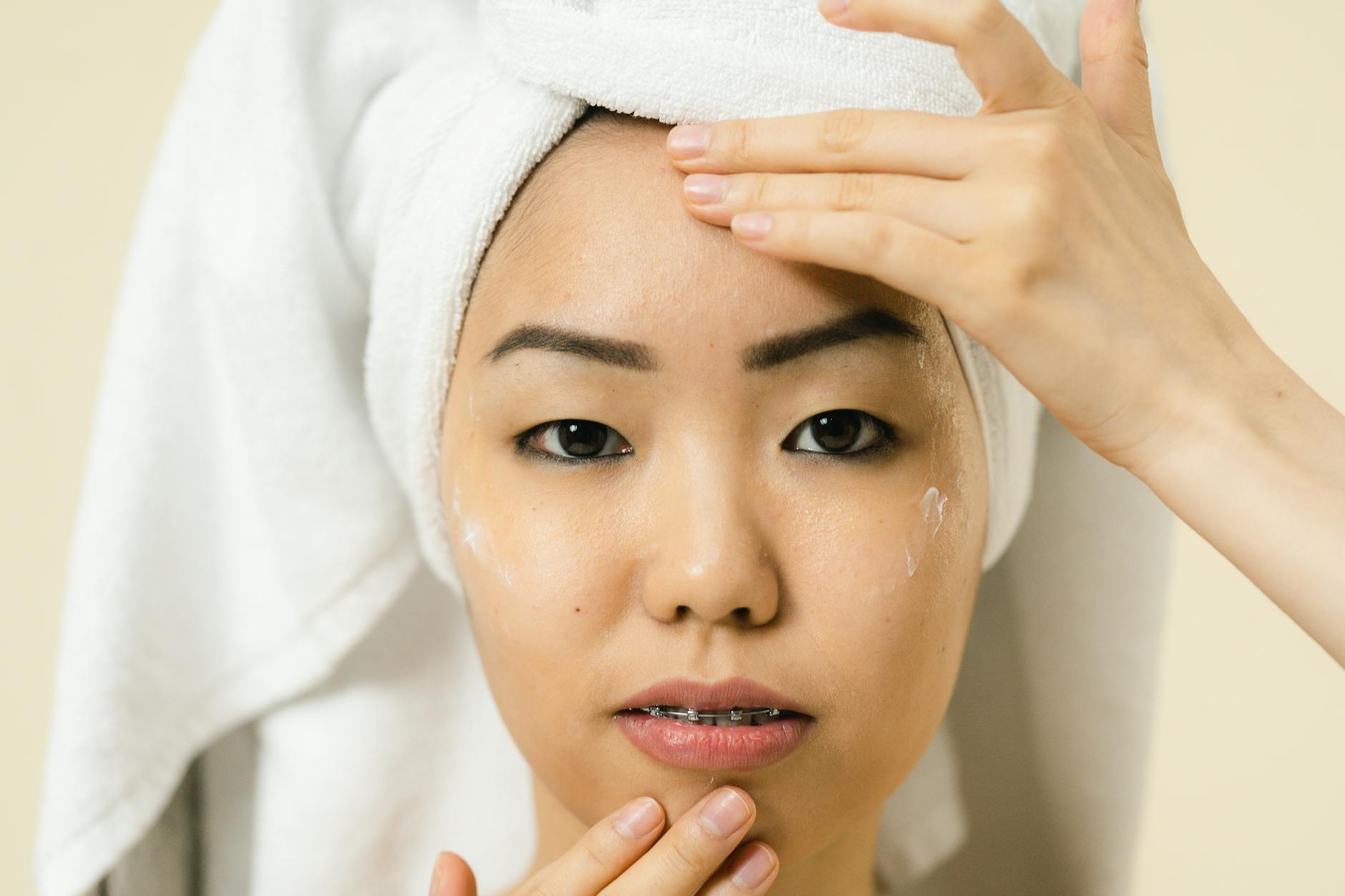
When prescription options are limited, optimizing skincare and lifestyle habits becomes disproportionately important. Pediatric dermatologists working with younger children often emphasize gentle cleansing (twice daily, avoiding harsh or abrasive products), use of non-comedogenic moisturizers, and strict avoidance of pore-clogging makeup or sunscreens. This advice sounds basic, but compliance can be challenging for children, who may not understand why consistent skincare matters or who may find routines burdensome. Parents play a crucial role here, and some pediatric practices dedicate significant time to teaching families about proper skincare as a way to reduce acne severity without medication.
Diet has become a more prominent topic in pediatric dermatology in recent years. While the relationship between diet and acne remains debated in the medical literature, some dermatologists counsel families to reduce high-glycemic foods and dairy products, as these correlate with acne in some studies. Additionally, addressing other triggers—such as friction from sports equipment, frequent touching of the face, or excessive sweating—can help reduce acne severity. For a child with mild acne, these interventions sometimes provide sufficient improvement that parents and dermatologists feel comfortable delaying prescription medications until the child reaches an age where more options become available.
The Future of Pediatric Acne Treatment and Emerging Options
The treatment landscape for pediatric acne is slowly evolving. A few pharmaceutical companies and academic researchers have begun conducting pediatric trials for acne medications, motivated partly by regulatory incentives and partly by recognition of the unmet need. Adapalene, for example, has achieved FDA approval for ages 12 and older, lowering the age threshold compared to some other retinoids. New topical medications with anti-inflammatory and antimicrobial properties—such as sulfacetamide-sulfur combinations and certain niacinamide-based formulations—are being studied in pediatric populations.
Additionally, procedural options like light-based therapies (blue light, intense pulsed light) are increasingly available in dermatology offices and may offer alternatives for children who can’t or won’t use topical medications. Looking forward, the hope is that more pharmaceutical companies will invest in pediatric acne studies, expanding the evidence base and officially approving treatments for younger ages. This would reduce off-label prescribing, clarify clinical decision-making, and give pediatric dermatologists more confidence in their treatment recommendations. For now, parents and pediatric dermatologists must navigate a landscape where the best treatment for an 11-year-old with acne might be a combination of proven topical therapies, lifestyle optimization, informed off-label use of medications developed for older children, and patience as the child grows into ages where more options become available.
Conclusion
An 11-year-old struggling with acne faces a genuine clinical challenge: most prescription treatments are restricted to older adolescents and adults, not because they’re inherently unsafe, but because the pediatric studies needed for FDA approval were never conducted. Pediatric dermatologists respond by maximizing topical therapies, considering off-label use of medications when appropriate, and emphasizing lifestyle and skincare factors that can reduce acne severity without systemic medication. The goal is to balance the need for effective treatment against the reality of incomplete safety data, while supporting the child’s emotional wellbeing during a time when visible acne can significantly affect self-esteem.
For parents facing this situation, the most important step is finding a dermatologist experienced in treating younger children with acne—someone who understands the limitations of the evidence base, can explain the rationale for treatment choices, and will revisit the treatment plan as the child ages and new options become available. Acne in childhood is treatable, even if the toolkit is smaller than it would be for a teenager. The frustration is real, but effective solutions exist, and the situation improves significantly within a year or two as the child enters ages where full-strength prescription options become appropriate.
Frequently Asked Questions
What is the safest acne treatment for a 10-year-old?
Topical benzoyl peroxide (5-10%) combined with salicylic acid or azelaic acid is considered the safest approach. These medications are approved for children and have a long safety history. Benzoyl peroxide doesn’t cause antibiotic resistance, making it preferable to topical antibiotics. Many dermatologists recommend starting with these agents before considering any systemic medication.
Can a child under 12 use tretinoin or adapalene?
Adapalene is FDA-approved for ages 12 and older. Tretinoin is typically not approved for children under 12, though some pediatric dermatologists prescribe it off-label at low concentrations for older children (8-11 years) with moderate acne. Any off-label use requires informed consent from parents and careful monitoring.
Is it safe to give a child oral antibiotics for acne?
Doxycycline should not be given to children under 8 due to concerns about tooth staining and bone development. For children 8-12, some dermatologists use lower doses or shorter courses, while others prefer alternatives like azithromycin or avoid systemic antibiotics entirely. The decision depends on acne severity and individual clinical judgment.
Will my child’s acne improve as they get older?
Hormonal acne tends to worsen during puberty but may improve as teenagers move into young adulthood. Many people see significant improvement in their 20s. In the meantime, effective treatments are available, and waiting until more prescription options become available (around age 12-13) is often a reasonable strategy for milder cases.
Should we try isotretinoin (Accutane) for severe pediatric acne?
Isotretinoin is approved for ages 12 and older with severe, cystic acne that hasn’t responded to other treatments. It requires enrollment in the iPLEDGE program, monthly monitoring, and strict adherence to protocols. For children under 12 with severe acne, isotretinoin is rarely considered; pediatric dermatologists typically refer to academic medical centers where more experience exists.
How long will my child need acne treatment?
Duration depends on acne severity and how the child responds. Mild acne treated with topical agents might resolve in 3-6 months and not recur. Moderate acne may require 6-12 months of treatment, with some cases requiring longer maintenance therapy. Many children benefit from continuing some form of acne treatment through puberty and into early adulthood, as hormonal influences often persist.
You Might Also Like
- New Nitric Oxide-Releasing Gel in Clinical Trials…Kills Acne Bacteria Through Oxidative Stress Without Resistance Development
- New AI-Guided Personalized Acne Protocol in Clinical Trials…Analyzes Skin Photos to Customize Treatment in Real Time
- Insurance Denied Coverage for Acne Patch Treatment Costing $120 Per Month…Monthly Supply Not Covered by Any Major Insurer