

Yes, developing acne at 28 after stopping birth control to conceive is a common experience, and it’s not a sign that something is wrong with you. When women discontinue oral contraceptives, their bodies undergo significant hormonal shifts as exogenous hormones are removed and the natural menstrual cycle resumes. Birth control pills suppress sebum production and prevent ovulation, which keeps androgens (male hormones) at bay. The moment a woman stops taking the pill, androgen levels can spike, triggering oil gland activity and increased bacterial colonization—often resulting in sudden, pronounced breakouts.
Sarah, a 28-year-old from Portland, experienced exactly this when she discontinued her birth control pill after five years of clear skin. Within three weeks of her last pill, she developed deep cystic acne along her jawline and cheeks, a pattern she’d experienced in her early twenties before starting hormonal contraception. This phenomenon, sometimes called “rebound acne,” affects many women trying to conceive. The timing is particularly frustrating because women are often in a vulnerable emotional state—excited about the possibility of pregnancy but suddenly dealing with the confidence blow of significant acne. Understanding why this happens and what to expect can help you navigate this transition with realistic expectations and effective strategies.
Table of Contents
- Why Does Acne Develop After Stopping Birth Control?
- Hormonal Changes and Rebound Effects When Discontinuing Oral Contraceptives
- The Rebound Acne Timeline: When to Expect Breakouts
- Managing Acne While Trying to Conceive: Safe Treatment Options
- Cystic Acne and Severe Breakouts After Birth Control Discontinuation
- Other Hormonal Factors That Compound Post-Pill Acne
- When Does Post-Pill Acne Resolve?
- Conclusion
Why Does Acne Develop After Stopping Birth Control?
The biological mechanism behind post-pill acne centers on hormonal rebalancing. birth control pills work by suppressing gonadotropin-releasing hormone (GnRH), which means the pituitary gland produces less follicle-stimulating hormone (FSH) and luteinizing hormone (LH). This suppression prevents ovulation and keeps androgen production low. When you stop taking the pill, these hormonal regulators are no longer suppressed, and your body begins producing androgens again—sometimes at levels higher than before you started contraception. These androgens bind to sebaceous gland receptors, stimulating increased sebum production.
Combined with the recolonization of acne-causing bacteria like Cutibacterium acnes (formerly Propionibacterium acnes), the result is often inflammatory acne. The severity of rebound acne varies significantly between individuals. Some women experience only mild breakouts for a few weeks, while others, like Sarah, develop significant cystic acne that persists for months. Factors influencing severity include genetic predisposition to acne, how long you were on the pill, the specific formulation of the pill you were taking (different progestins have different androgenic effects), your baseline hormone levels before starting contraception, and whether you have underlying conditions like polycystic ovary syndrome (PCOS) or hormonal sensitivity. Women with a personal or family history of severe acne tend to experience more pronounced rebound effects.
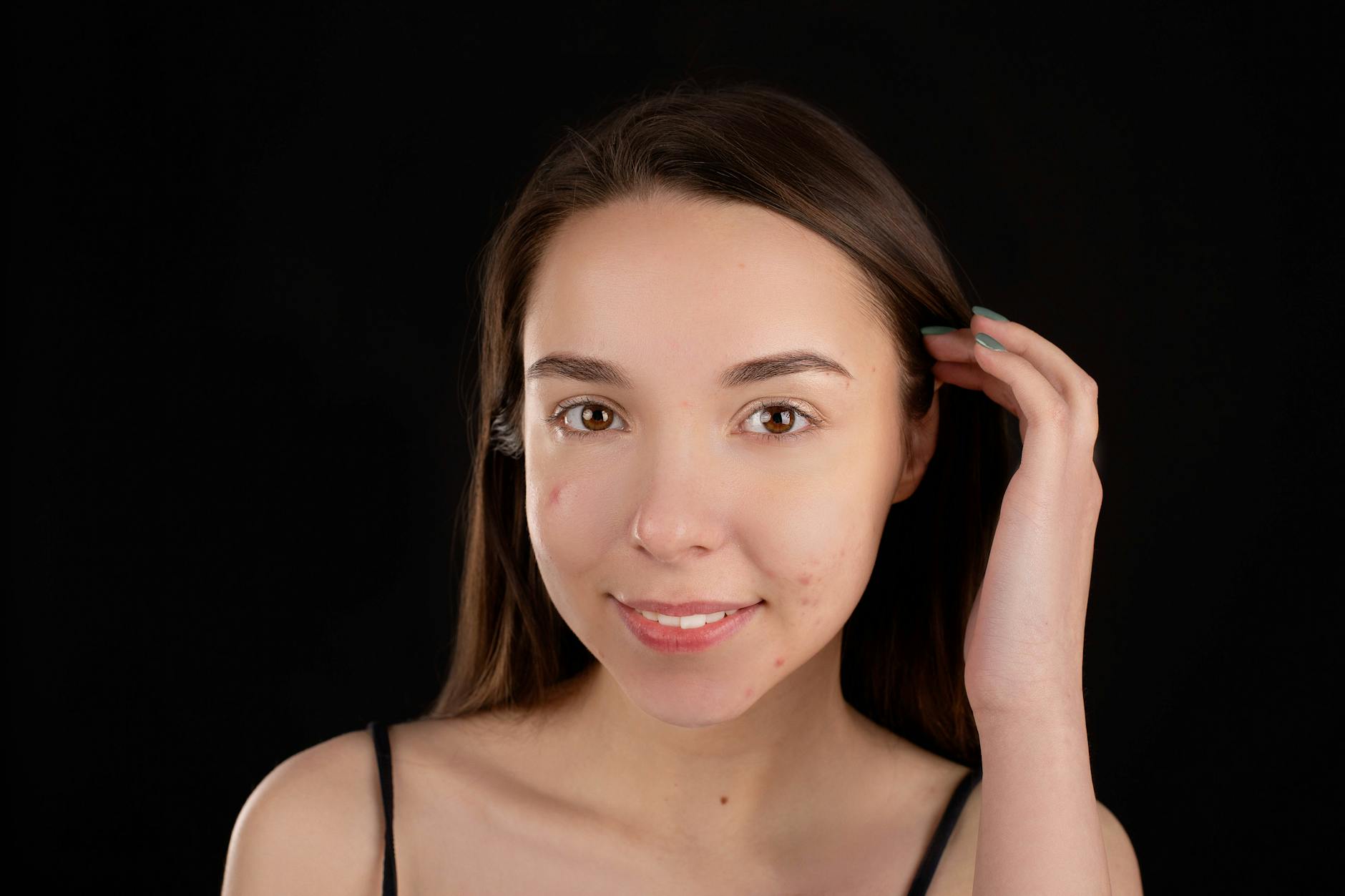
Hormonal Changes and Rebound Effects When Discontinuing Oral Contraceptives
The timeline of hormonal changes happens remarkably fast. Within 24 to 48 hours of taking your last pill, synthetic hormones begin clearing from your system. Within one to two weeks, your pituitary gland resumes normal signaling, and FSH and LH levels rise. By the second or third cycle after stopping the pill, your ovaries are fully engaged in producing their own estrogen and progesterone, along with the androgens that trigger sebum production. This is why many women notice acne appearing within the first month of discontinuation—the speed of hormonal change can be quite dramatic for a body accustomed to hormonal stability.
One important limitation to understand: there’s no way to predict exactly how severe your rebound acne will be or how long it will last. While some women’s skin stabilizes within two to three months, others experience persistent acne for six months to a year or longer. Additionally, if you have underlying hormonal conditions like PCOS, which often goes undiagnosed until a woman stops hormonal contraception, acne may be significantly more severe and harder to control. Some women discover they have PCOS only when they discontinue birth control and experience unexpectedly severe acne, irregular cycles, and other hormonal symptoms. This is worth discussing with your dermatologist, as it may affect both your acne treatment approach and your fertility journey.
The Rebound Acne Timeline: When to Expect Breakouts
Most women notice the first signs of post-pill acne within three to six weeks of their last dose, though some experience breakouts within days. The initial breakouts typically appear in areas that are hormonally sensitive: the lower face (jawline and chin), the cheeks, and sometimes the upper back and chest. The acne tends to be inflammatory—red, tender papules and pustules, or in cases like Sarah’s, deeper cystic lesions that can take weeks to resolve. This inflammatory pattern is different from the comedonal acne (blackheads and whiteheads) that some people experience with other triggers. The peak of rebound acne often occurs around six to eight weeks after stopping the pill, coinciding with the second or third ovulatory cycle when hormone fluctuations are most pronounced.
After this peak, the severity typically begins to decline as your body adjusts to its natural hormone rhythm. However, the timeline is highly individual. Some women see improvement by month three or four, while others may experience waves of acne corresponding to their cycle for six months or longer. It’s worth noting that while you’re trying to conceive, you need to be cautious about acne medications. Many common treatments—like isotretinoin (Accutane), certain oral antibiotics, and some topical retinoids—are contraindicated during pregnancy or conception attempts.
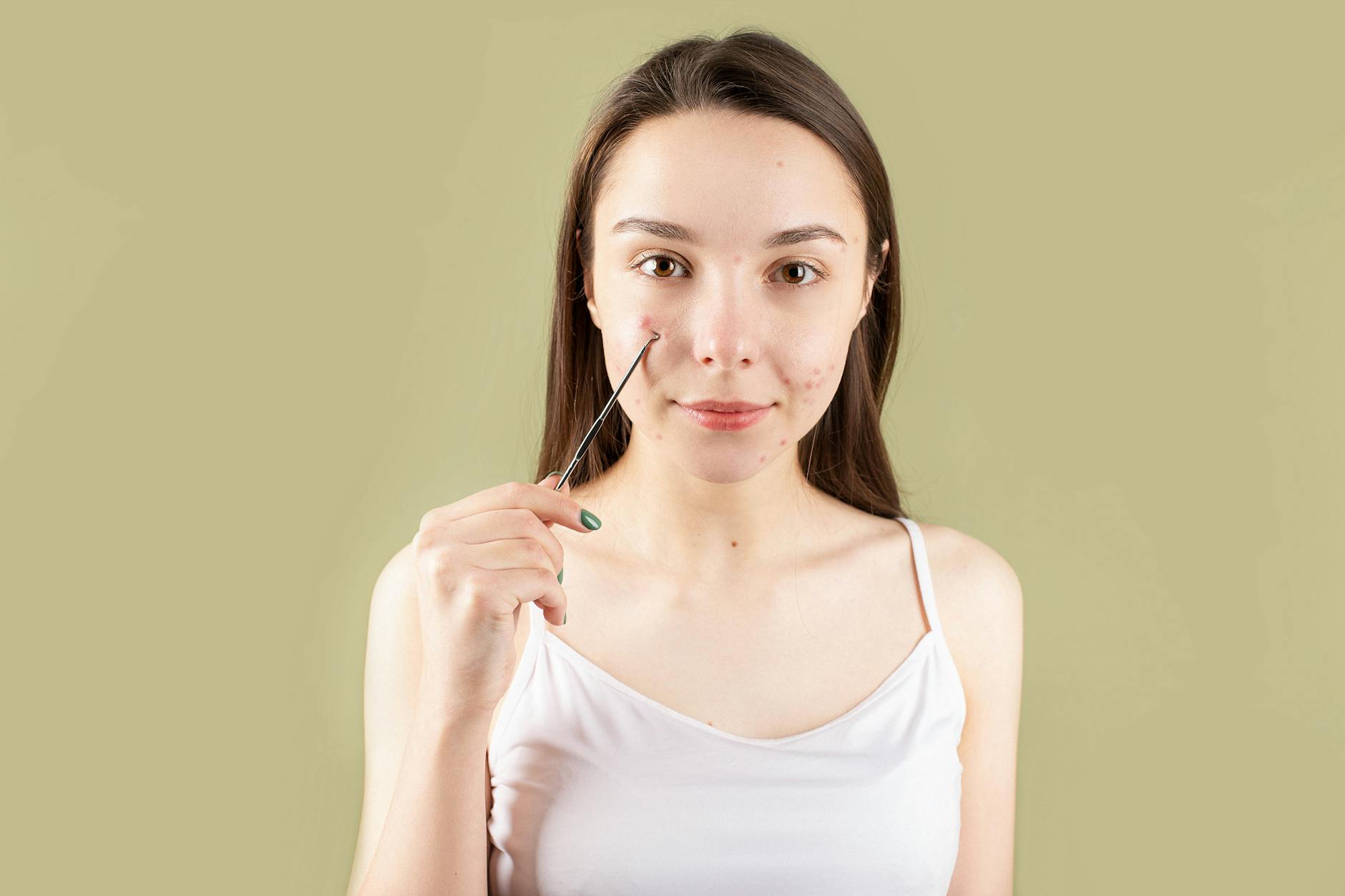
Managing Acne While Trying to Conceive: Safe Treatment Options
Your treatment options are somewhat limited when you’re actively trying to conceive, which presents a real challenge compared to treating acne without pregnancy considerations. Topical retinoids like tretinoin, adapalene, and retinol are generally avoided during conception attempts and pregnancy because animal studies have suggested potential teratogenic effects, though human data is limited. Topical treatments that are considered safe include benzoyl peroxide (which has both antibacterial and anti-inflammatory properties), azelaic acid (which can be particularly helpful for hormonal acne), salicylic acid in lower concentrations, and sulfur-based products. Oral antibiotics like doxycycline are typically avoided during conception attempts and pregnancy, though some dermatologists may consider short-term use of certain antibiotics if acne is severe.
The most evidence-supported option for treating hormonal acne in women trying to conceive is careful skincare combined with targeted topical treatments. A comparison might be helpful: benzoyl peroxide is highly effective for inflammatory acne and has no systemic absorption, making it pregnancy-safe, but it can be drying and may cause irritation; azelaic acid is gentler and addresses both bacteria and inflammation, with some evidence for hormonal acne specifically, but it works more slowly. Many dermatologists recommend starting with a gentle cleanser, benzoyl peroxide in the morning, and azelaic acid in the evening. Spironolactone, an oral medication that blocks androgen receptors, is sometimes prescribed for hormonal acne, though it should be avoided once pregnancy is confirmed. It can take eight to twelve weeks to see significant improvement with these treatments, so patience is important.
Cystic Acne and Severe Breakouts After Birth Control Discontinuation
Cystic acne is particularly common in post-pill acne and tends to be more severe than the acne many women experienced in their teens. Cystic acne forms deeper within the skin when inflammation extends into the dermis, creating painful, nodular lesions that don’t have a visible whitehead and can take weeks or months to resolve. These lesions are prone to scarring if picked or improperly treated, and they often recur in the same location due to ongoing inflammation in that area. Sarah’s jawline cysts were characteristic—they appeared roughly around her cycle (when progesterone levels rise, exacerbating sebum production), were extremely painful, and left temporary red marks even after healing.
A critical warning: if you develop severe cystic acne, resisting the urge to pick, squeeze, or attempt to extract these lesions is crucial. The inflammation in cystic acne is deep, and manipulation can introduce bacteria, worsen inflammation, and significantly increase scarring risk. In cases of severe cystic acne while trying to conceive, some dermatologists may recommend intralesional corticosteroid injections (such as triamcinolone) directly into the cyst, which can reduce inflammation and speed healing without systemic absorption or pregnancy concerns. If acne is severe enough to impact your quality of life and topical treatments aren’t working, discussing all safe options with both your dermatologist and your OB-GYN is important, as they can help you weigh risks and benefits specific to your situation.
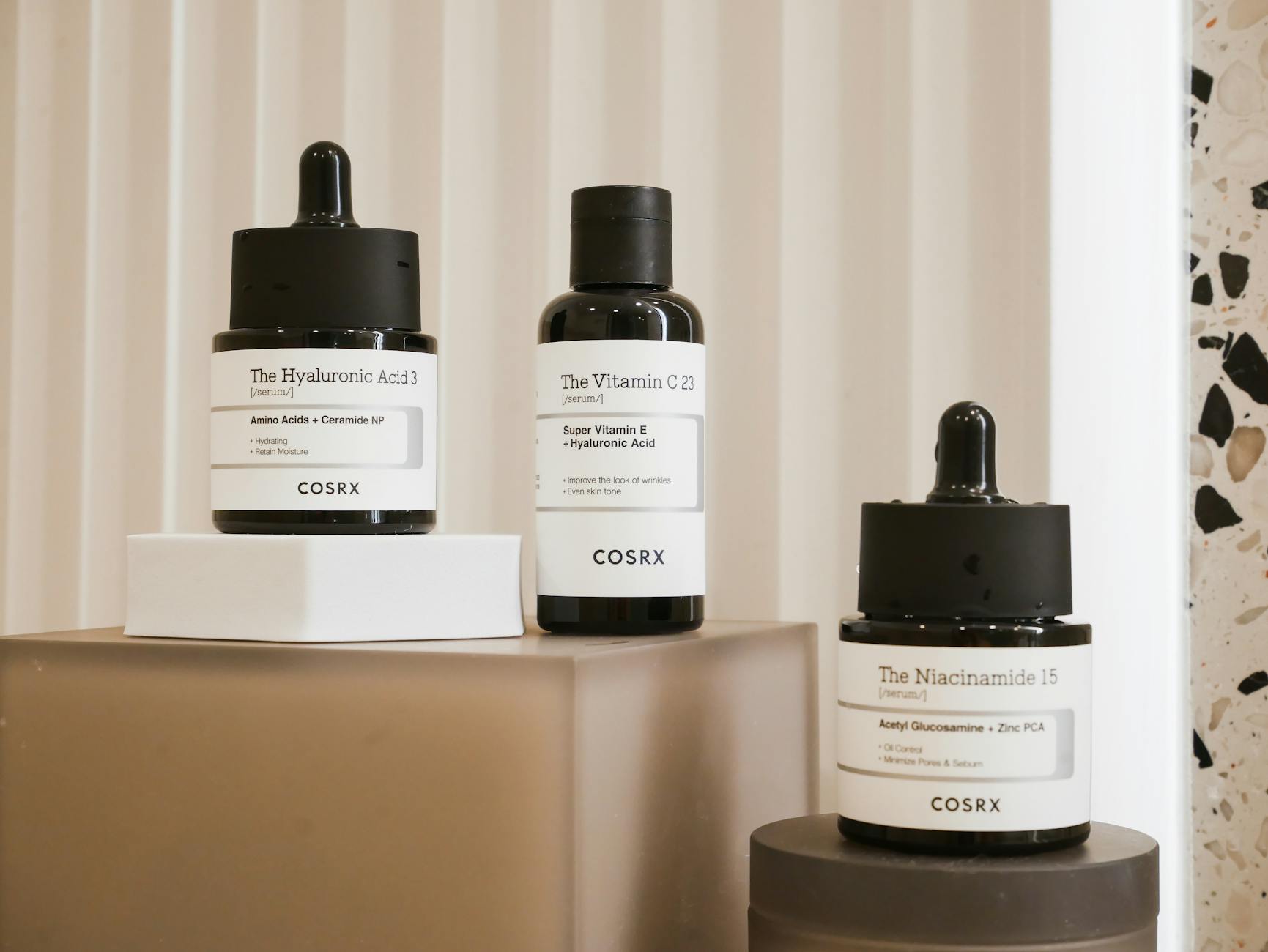
Other Hormonal Factors That Compound Post-Pill Acne
Beyond the direct androgen rebound, other hormonal factors can worsen post-pill acne. Progesterone, which is absent during the pill-taking phase (since most pills suppress ovulation and produce synthetic progestin instead), rises during the luteal phase of natural cycles. Natural progesterone increases sebum production and can exacerbate acne in the second half of the cycle. Additionally, some women discover they have insulin resistance or elevated fasting insulin levels, which promote androgen production in the ovaries—a condition often masked by years on birth control. If your post-pill acne is severe or accompanied by irregular cycles, weight gain, or hair growth, it’s worth getting tested for PCOS and insulin resistance.
Thyroid function is another underexamined factor. Birth control pills affect thyroid hormone binding proteins, meaning women on the pill often have different thyroid hormone levels than they do off the pill. Some women discover they have subclinical hypothyroidism only after stopping hormonal contraception, and thyroid dysfunction can worsen acne and cause other hormonal symptoms. For example, a woman in her late twenties might stop birth control to conceive, develop unexpectedly severe acne, and only discover through testing that her thyroid function changed once she discontinued the pill and binding protein levels normalized. This is another reason why comprehensive hormone testing can be helpful if you’re experiencing severe post-pill acne.
When Does Post-Pill Acne Resolve?
Most women see meaningful improvement in post-pill acne within three to six months as their bodies adjust to natural hormone cycling and skin barrier function normalizes. However, complete resolution often takes longer—many women report that their skin doesn’t fully stabilize until six months to a year after discontinuation, particularly if they were on birth control for many years. The good news is that post-pill acne does eventually resolve in the vast majority of cases, especially with appropriate treatment and patience.
Looking forward, understanding your post-pill acne pattern can actually be helpful for your overall health and fertility journey. The information you gather about your cycle, acne timing, and hormonal responses will be valuable for your OB-GYN, and treating your skin well during this transition supports your overall wellness as you prepare for conception. Some women find that once they understand their hormonal patterns post-pill, they can better anticipate and manage acne in future cycles. The key is treating yourself with patience and compassion during this transition—it’s temporary, even when it feels persistent.
Conclusion
Developing acne after stopping birth control at 28 (or any age) is a physiologically normal response to significant hormonal changes, not a reflection of poor skin care or some underlying defect. The rebound in androgen production, combined with your body’s readjustment to natural hormone cycling, creates an environment where acne thrives—but this environment is temporary. By understanding the mechanisms behind post-pill acne, knowing what to expect timeline-wise, and using pregnancy-safe treatment options, you can manage breakouts effectively while pursuing your fertility goals.
The most important steps are being patient with yourself, using evidence-based treatments that are safe for conception, and seeking professional guidance if acne is severe or accompanied by other hormonal symptoms. Your dermatologist and OB-GYN can work together to help you navigate this transition safely. Remember that this phase of your life—even the frustrating acne part—is temporary, and clear skin does return for the vast majority of women who experience post-pill breakouts.