

This scenario—avoiding professional acne care for over a decade because of the cost—is far more common than most people realize. A 24-year-old with a 12-year history of untreated acne represents a significant portion of the population who manage skin conditions without dermatological support, not out of choice, but out of financial necessity. The barrier is real: dermatologist visits, whether in-network or not, represent a cost burden that many households simply cannot afford, especially when acne is not perceived as a medical emergency.
For someone struggling with acne from age 12 into adulthood, the financial calculus is straightforward and devastating. A single dermatology consultation costs between $100 and $300 depending on insurance status and location, followed by prescription treatments that can run $45 to $200 per small tube. Over 12 years, that’s a potential financial commitment of thousands of dollars—money that may be needed for housing, food, education, or other medical needs. This is not a story of negligence; it is a story of rational decision-making within severe financial constraints.
Table of Contents
- Why So Many Young Adults Never See a Dermatologist for Their Acne
- The True Cost of Professional Acne Treatment
- What Happens When Acne Goes Untreated for Years
- Breaking Down the Actual Costs of Acne Treatment
- The Gap Between Over-the-Counter and Prescription Treatment
- Affordable Alternatives and Resources That Actually Exist
- The Long-Term Calculus: When Professional Care Becomes Unavoidable
- Conclusion
Why So Many Young Adults Never See a Dermatologist for Their Acne
The statistics are sobering: approximately 85% of people aged 12-24 experience at least minor acne, with acne affecting over 90% of adolescents in some populations. Yet only about 10% of individuals with acne actually consult dermatologists. That gap—the difference between how many people have acne and how many seek professional treatment—is largely explained by cost. A 24-year-old who has had acne since age 12 is part of the statistical majority: someone whose condition was never formally evaluated or treated by a professional.
The reasons for this gap are documented in medical research. Studies show that 65% of patients who don’t fill acne prescriptions cite cost or insurance coverage as the primary barrier. When the choice is between paying for a dermatologist visit and paying for groceries, utilities, or rent, the acne goes untreated. For someone in this situation starting at age 12—when their family may not have insurance, when household finances are tight, or when medical costs are simply deprioritized—the years accumulate. By age 24, a decade of self-managed acne becomes the normal experience.

The True Cost of Professional Acne Treatment
Understanding why someone avoids dermatology care requires understanding the actual financial burden. In 2025, an in-network dermatology consultation costs approximately $150, while an out-of-network visit costs around $300. For someone without insurance, expect to pay $100 to $250 for a single appointment. Even with insurance, copays typically range from $30 to $75 per specialist visit. But this is just the initial visit.
The real expense comes with treatment. Topical acne treatments—the first-line prescriptions dermatologists typically recommend—cost $45 to $200 per small tube, and most tubes last only a month or two. Oral antibiotics, commonly prescribed for moderate acne, run $20 to $100 per month. For severe acne requiring isotretinoin (Accutane), the monthly cost is $250 to $500, with mandatory monthly blood tests adding another layer of expense. A 24-year-old who began treatment at age 12 would have faced an initial consultation, followed by potentially 12 years of monthly medication costs, blood work, and follow-up visits. That financial commitment—tens of thousands of dollars over a decade—explains why many young people make the decision to skip professional care entirely.
What Happens When Acne Goes Untreated for Years
The trajectory of untreated acne is not static. Acne that begins as manageable at age 12 can worsen, persist, or create complications by the time someone reaches adulthood. without professional assessment, a person has no way to know whether their acne is mild, moderate, or severe enough to warrant prescription intervention. They cannot distinguish between conditions that will improve with time and those that require specialized treatment.
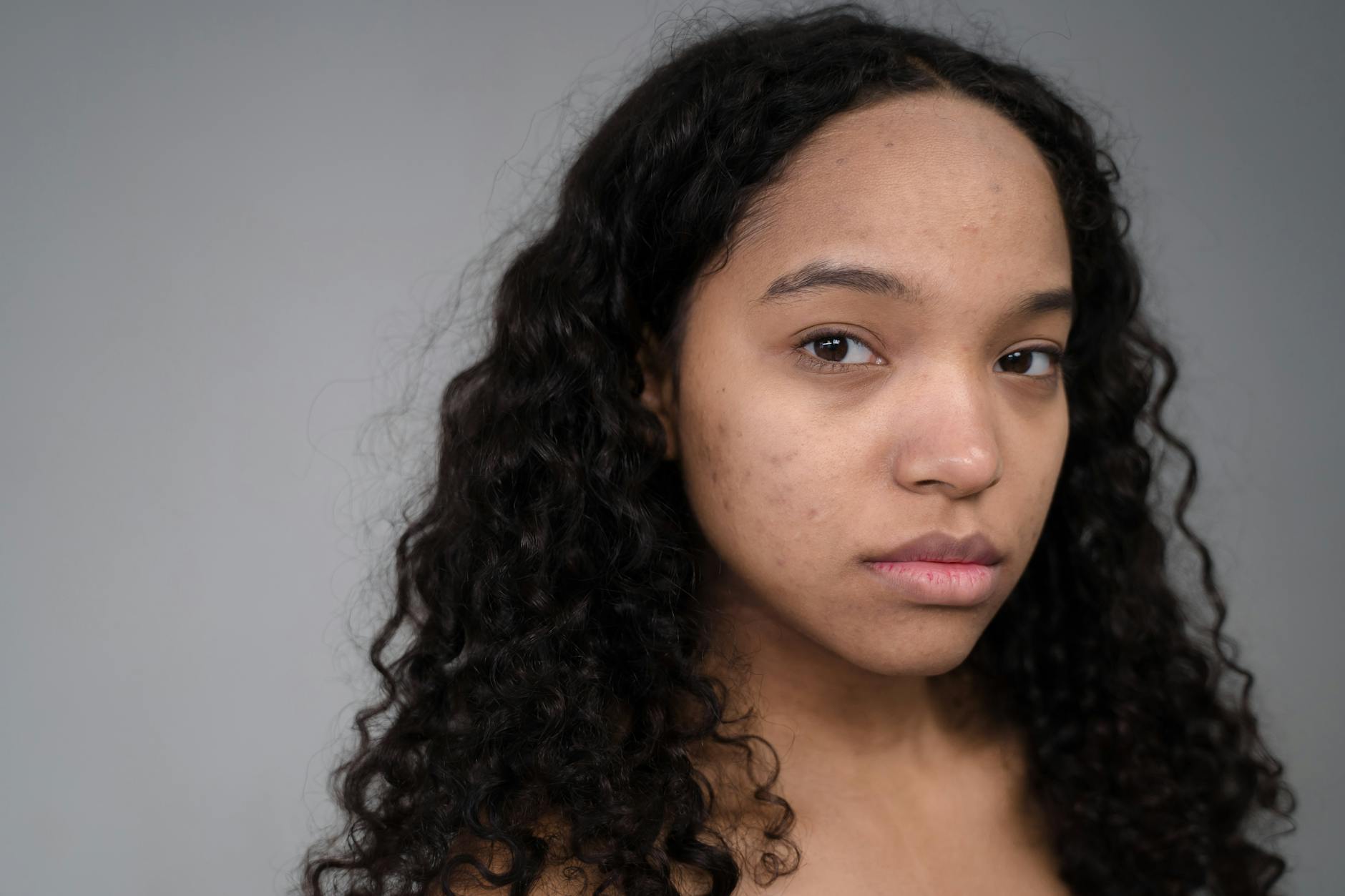
The physical consequences of 12 years of untreated acne are visible: scarring, post-inflammatory hyperpigmentation, skin texture changes, and persistent active breakouts. But the psychological impact is equally significant. Untreated acne from adolescence into young adulthood affects self-esteem, social relationships, and professional opportunities during formative years—exactly when someone is navigating education, career development, and social interactions. A 24-year-old entering the workforce with visible acne that has gone untreated for over a decade faces a compounding disadvantage: not only are they dealing with the skin condition itself, but they have also missed years of potential treatment that might have prevented scarring or improved their quality of life.
Breaking Down the Actual Costs of Acne Treatment
To understand why cost is such a significant barrier, it helps to itemize exactly what professional acne treatment involves. A dermatology visit is not a one-time expense; it is the beginning of an ongoing financial commitment. Here’s what a typical treatment pathway looks like: Initial consultation: $150 (in-network) to $300 (out-of-network). Follow-up visits, typically scheduled 6-8 weeks apart once a prescription is started: $100-$150 each.
A single year of dermatology care for moderate acne, with 3-4 visits, reaches $500 to $700 before any medications are factored in. Add topical treatments at $50-$150 per tube (used 2-4 times yearly for replacements) and possible oral antibiotics at $30-$80 per month, and the annual cost of professional acne management ranges from $1,000 to $3,000. For a 12-year span, the total cost of professional dermatological care—even with insurance—can easily exceed $12,000 to $36,000. For someone without insurance or with high-deductible plans, the cost is significantly higher. This explains why 24-year-olds with 12 years of untreated acne are not outliers; they represent a rational response to a system in which professional dermatological care is financially unattainable for many households.
The Gap Between Over-the-Counter and Prescription Treatment
One of the most significant limitations of managing acne without professional care is the inability to access prescription medications that are simply not available over-the-counter. While drugstore acne products contain active ingredients like benzoyl peroxide and salicylic acid, they are formulated at much lower concentrations than prescription treatments, and they lack the prescriber guidance that determines when to escalate therapy. Over-the-counter products also cannot address many common acne scenarios. Someone with moderate inflammatory acne would benefit from oral antibiotics, which require a prescription.
Someone with hormonal acne might need birth control or spironolactone, neither of which is available without a provider’s recommendation. Someone with severe cystic acne that risks permanent scarring needs isotretinoin, which requires enrollment in a risk management program and cannot be obtained any other way. A 24-year-old who has relied on drugstore treatments for 12 years may have never known which of these options might have helped because they never had a professional evaluation. This is the hidden cost of cost barriers: not just the absence of treatment, but the absence of knowledge about what treatment is possible.

Affordable Alternatives and Resources That Actually Exist
It would be incomplete to discuss acne cost barriers without acknowledging that pathways to lower-cost or free care do exist, even though they are not widely publicized. The American Academy of Dermatology maintains a directory of student-run dermatology clinics and residency programs that offer heavily discounted or free acne treatment to uninsured and low-income patients. These clinics exist in many major metropolitan areas and offer professional dermatological evaluation and care at a fraction of typical costs.
Virtual dermatology visits have also changed the cost equation. Telehealth consultations with licensed dermatologists cost significantly less than in-person appointments—often $50 to $100 for an initial visit—and allow someone to avoid travel costs and time off work. While virtual visits cannot replace in-person treatment for all conditions, they are appropriate for many acne cases and represent an accessible entry point for someone who has never seen a dermatologist. For a 24-year-old with a 12-year history of untreated acne, these options might have been available years earlier if they had known to look for them.
The Long-Term Calculus: When Professional Care Becomes Unavoidable
The financial calculus that keeps people from seeking dermatology care eventually reaches a breaking point. Acne that persists into the mid-20s without professional evaluation may worsen, especially if it is hormonal or inflammatory in nature. By age 24, someone with 12 years of untreated acne may have acne scars that require professional treatment—dermatological procedures like chemical peels, microneedling, or laser therapy that are expensive and, crucially, are not covered by insurance because they are classified as cosmetic.
The irony is profound: avoiding the $150 dermatology consultation at age 12 to save money can result in the need for $1,000 to $5,000 in scar revision procedures at age 24. From a purely financial standpoint, professional treatment at the outset would have been far cheaper than the cost of managing scarring and advanced acne later. This is the long-term consequence of cost-driven avoidance of dermatological care.
Conclusion
A 24-year-old who has had acne since age 12 without seeing a dermatologist is not an outlier; she is part of a large demographic facing genuine financial barriers to healthcare. With dermatology costs ranging from hundreds to thousands of dollars annually, the decision to forgo professional care is rational for many households. The statistics bear this out: while 85-90% of young people experience acne, only 10% ever see a dermatologist, and 65% of patients cite cost as the reason they don’t fill acne prescriptions.
If you are in this situation—managing acne on your own because professional care feels unaffordable—know that lower-cost options exist. Look for dermatology clinics affiliated with academic medical centers, explore virtual dermatology visits, or contact the American Academy of Dermatology for resources in your area. The longer acne goes untreated, the greater the risk of permanent scarring and the higher the eventual cost of addressing it. Professional evaluation now may save you thousands of dollars in scar revision later.