

The myth that pregnancy clears acne is exactly that—a myth. While some women do experience clearer skin during pregnancy thanks to hormonal shifts, many others find their acne worsens dramatically, sometimes severely, despite being told by their OB-GYN that their skin would improve. A 31-year-old woman who had managed moderate acne for years was confident when her doctor mentioned that pregnancy often clears the condition. By her second trimester, she was dealing with cystic breakouts across her jawline and cheeks—worse than anything she’d experienced before.
Her case is not unusual. Dermatologists estimate that roughly 40 percent of pregnant women experience some form of acne, and for many of those women, the pregnancy worsens existing acne rather than improving it. The reason is straightforward: pregnancy hormones, particularly progesterone, increase significantly and can trigger oil gland overproduction, bacterial growth, and inflammation. Some women’s skin responds well to this hormonal environment; others do not. The OB-GYN’s comment, while often well-intentioned and based on the statistically common outcome, can leave women emotionally unprepared for acne that appears or intensifies during what’s supposed to be one of life’s most joyful periods.
Table of Contents
- Why Does Acne Often Get Worse During Pregnancy?
- The Hormonal Amplification Effect and Its Timeline
- Emotional and Psychological Impact During a Vulnerable Time
- Safe Treatment Options That Actually Work During Pregnancy
- The Reality of Post-Pregnancy Acne and Recovery Expectations
- Pre-Pregnancy Planning and Dermatological Consultation
- Moving Forward: Acne, Pregnancy, and Long-Term Skin Health
- Conclusion
- Frequently Asked Questions
Why Does Acne Often Get Worse During Pregnancy?
Pregnancy hormones don’t affect all women’s skin equally. Progesterone, which rises dramatically during pregnancy, increases sebaceous gland activity and can alter the skin’s microbiome. For women whose skin is sensitive to hormonal fluctuations—particularly those with a history of hormonal acne triggered by menstrual cycles—pregnancy can be a extended version of premenstrual breakout conditions. The increased blood flow to the face, which gives some women that “pregnancy glow,” can also increase inflammation in acne-prone areas, making existing breakouts more pronounced and new ones more likely to form.
The second factor is that many acne-fighting treatments become off-limits during pregnancy. Isotretinoin (Accutane) is absolutely contraindicated, as are many oral antibiotics and hormonal birth control adjustments that women might normally use. This leaves pregnant women with fewer pharmaceutical options, meaning underlying acne can progress unchecked. A woman who had controlled her acne with a combination of tretinoin and spironolactone before pregnancy found herself limited to benzoyl peroxide and sulfur-based products once she learned she was expecting—and her skin responded by worsening significantly.
The Hormonal Amplification Effect and Its Timeline
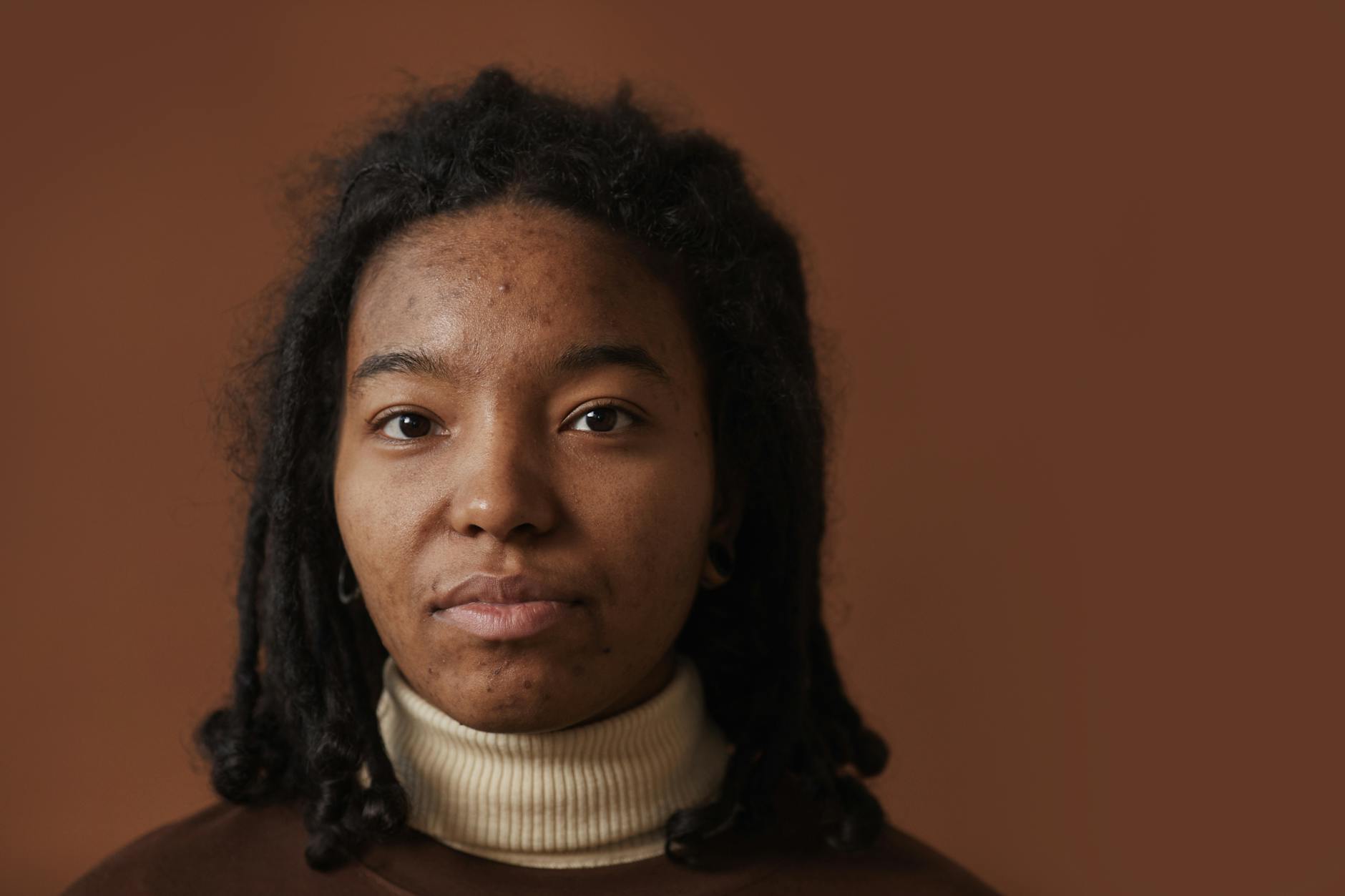
Understanding the specific hormonal surge helps explain why acne doesn’t improve during pregnancy for many women. Progesterone rises from roughly 20-25 ng/mL in the luteal phase of a normal cycle to over 100 ng/mL by the third trimester. This sustained elevation is unlike anything the body experiences outside of pregnancy, and for acne-prone individuals, the effect is cumulative rather than self-correcting. The skin doesn’t “adjust” to these hormone levels; instead, it becomes increasingly irritated and reactive.
A significant limitation here is that even dermatologists cannot reliably predict who will experience worsening acne during pregnancy. Genetics play a role—women whose mothers had hormonal acne are more likely to experience it themselves—but it’s not deterministic. Some women with severe pre-pregnancy acne experience improvement, while others with mild acne experience dramatic worsening. This unpredictability is why the blanket statement from OB-GYNs (“pregnancy usually clears acne”) can feel misleading to those for whom it doesn’t apply. The acne often peaks in the second and third trimesters when progesterone levels are highest, meaning many women have months of dealing with increasingly severe breakouts.
Emotional and Psychological Impact During a Vulnerable Time
Beyond the physical reality of worsening acne, there’s a significant psychological component that’s often overlooked. Pregnancy is a time when women are already navigating body changes, hormonal emotions, and heightened awareness of health decisions. Being told acne will improve, then experiencing the opposite, can create disappointment, frustration, and even depression. Many pregnant women report feeling isolated in their acne struggles, believing they’re the only ones dealing with this issue when, in reality, millions are.
The timing makes this worse. Pregnancy is photographed, celebrated, and documented in ways that make skin concerns feel magnified. A woman who had clear skin pre-pregnancy might suddenly find herself covering breakouts in maternity photos or avoiding social events where she feels self-conscious. The stress and anxiety about the acne itself can then create a feedback loop, as stress is a known acne trigger. One pregnant woman reported that her anxiety about her worsening acne actually seemed to worsen the breakouts further, creating a cycle that didn’t break until after delivery.

Safe Treatment Options That Actually Work During Pregnancy
The treatment options during pregnancy are genuinely limited compared to non-pregnant acne management, but they’re not nonexistent. Topical treatments with benzoyl peroxide, azelaic acid, and salicylic acid (in moderation) are generally considered safe and can provide some relief. Some dermatologists feel comfortable prescribing topical antibiotics like clindamycin, though oral antibiotics are typically avoided. The challenge is that these options are often less effective than the treatments women were using before pregnancy, so expectations need to be recalibrated.
The important warning here is that there’s a trade-off between safety and efficacy. A retinoid like tretinoin, which would typically be first-line for moderate acne, is contraindicated during pregnancy due to birth defect risks. Hormonal treatments that might regulate acne are also off the table if the woman is already pregnant. This means accepting that skin might not improve as much as desired during pregnancy, and focusing instead on preventing the acne from worsening further. Some dermatologists recommend gentle cleansing, non-comedogenic moisturizing, and targeted spot treatments rather than aggressive regimens.
The Reality of Post-Pregnancy Acne and Recovery Expectations
Many women assume that once pregnancy ends, acne will clear up. This is another expectation that doesn’t always match reality. The immediate postpartum period often involves another hormonal crash, and for women who are breastfeeding, hormones remain elevated and acne can persist. The combination of sleep deprivation, stress, and continued hormonal fluctuation means acne often doesn’t improve immediately after delivery. Some women find their worst breakouts occur in the months following pregnancy rather than during it.
The postpartum timeline varies significantly. Some women see improvement within weeks of delivery, while others struggle with acne for six months or longer, particularly if breastfeeding. And if another pregnancy occurs within a few years, the cycle repeats. This is why dermatologists recommend being honest with pregnant patients: acne improvement during pregnancy is possible, but deterioration is equally common, and the postpartum period offers no guarantee of quick resolution. Planning for potential acne management well into the postpartum period, rather than expecting immediate improvement after delivery, sets more realistic expectations.
Pre-Pregnancy Planning and Dermatological Consultation
Women who are aware they might become pregnant in the near future have an opportunity that those surprised by pregnancy don’t: they can consult with a dermatologist beforehand to establish a baseline and discuss options. A pre-conception dermatology visit can identify which acne treatments will need to be stopped, which can be continued safely, and which alternatives exist. This doesn’t eliminate pregnancy acne, but it does allow for more informed decision-making and better preparation.
For example, a woman on doxycycline for acne can learn that she’ll need to switch to a topical regimen before conception. Another woman on spironolactone can discuss whether dose adjustments are possible during pregnancy or whether the medication should be discontinued. These conversations, had in advance, reduce the shock and disappointment of pregnancy-related acne worsening, because the woman has already mentally prepared for the reality that her acne management plan will change.
Moving Forward: Acne, Pregnancy, and Long-Term Skin Health
The narrative around pregnancy and acne needs to shift from “acne usually clears during pregnancy” to “pregnancy affects acne unpredictably, and many women experience worsening.” This more honest framing would better prepare women psychologically and allow them to proactively discuss skin concerns with their OB-GYN and dermatologist rather than hoping they’ll improve spontaneously. As dermatological understanding of pregnancy-related acne advances, more effective safe options may become available.
Until then, the best approach is to acknowledge the reality, establish realistic expectations, connect pregnant women with dermatological support (not just OB-GYN assumptions), and emphasize that post-pregnancy acne management and recovery are just as important as during-pregnancy management. The woman who was 31 and expected clear skin during pregnancy eventually found that postpartum skincare, combined with time and adjusted expectations, led to improvement—but only after several difficult months of managing acne worse than she’d ever experienced.
Conclusion
Pregnancy acne is not a failure of the woman’s skincare routine, nor is it a reflection of the health of the pregnancy. It’s a predictable side effect of hormonal changes that affects roughly four in ten pregnant women. While some women do see improvement in their acne during pregnancy, many experience significant worsening, and OB-GYNs should be more cautious about making blanket statements suggesting that improvement is the expected outcome.
The emotional and physical toll of worsening acne during pregnancy deserves acknowledgment and dermatological support, not dismissal. The path forward involves honest conversations between patients, OB-GYNs, and dermatologists before pregnancy if possible, realistic expectations throughout pregnancy, and extended postpartum management rather than assuming everything will improve after delivery. Women dealing with acne during pregnancy should know they’re not alone, that their concerns are valid, and that effective management strategies exist—they just might not be the same strategies that worked before pregnancy.
Frequently Asked Questions
Is pregnancy acne a sign something is wrong with the pregnancy?
No. Pregnancy acne is a normal response to hormonal changes and has no bearing on the health of the pregnancy or the baby.
What’s the safest acne treatment during pregnancy?
Benzoyl peroxide and azelaic acid are generally considered safest. Your dermatologist can recommend specific products and concentrations appropriate for your skin.
Will acne go away immediately after pregnancy?
Not necessarily. Many women find acne persists for weeks or months postpartum due to ongoing hormonal shifts, particularly if breastfeeding.
Can I use retinoids while pregnant?
Retinoids like tretinoin are contraindicated during pregnancy due to birth defect risks. Discuss alternatives with your dermatologist before conception if possible.
Should I see a dermatologist during pregnancy?
Yes, if you’re experiencing acne worsening. Dermatologists can recommend safe options tailored to pregnancy and help manage expectations.
Is hormonal birth control an option for acne during pregnancy?
No. Once pregnant, hormonal birth control isn’t an option. Pre-conception is the time to optimize acne management with birth control if desired.