
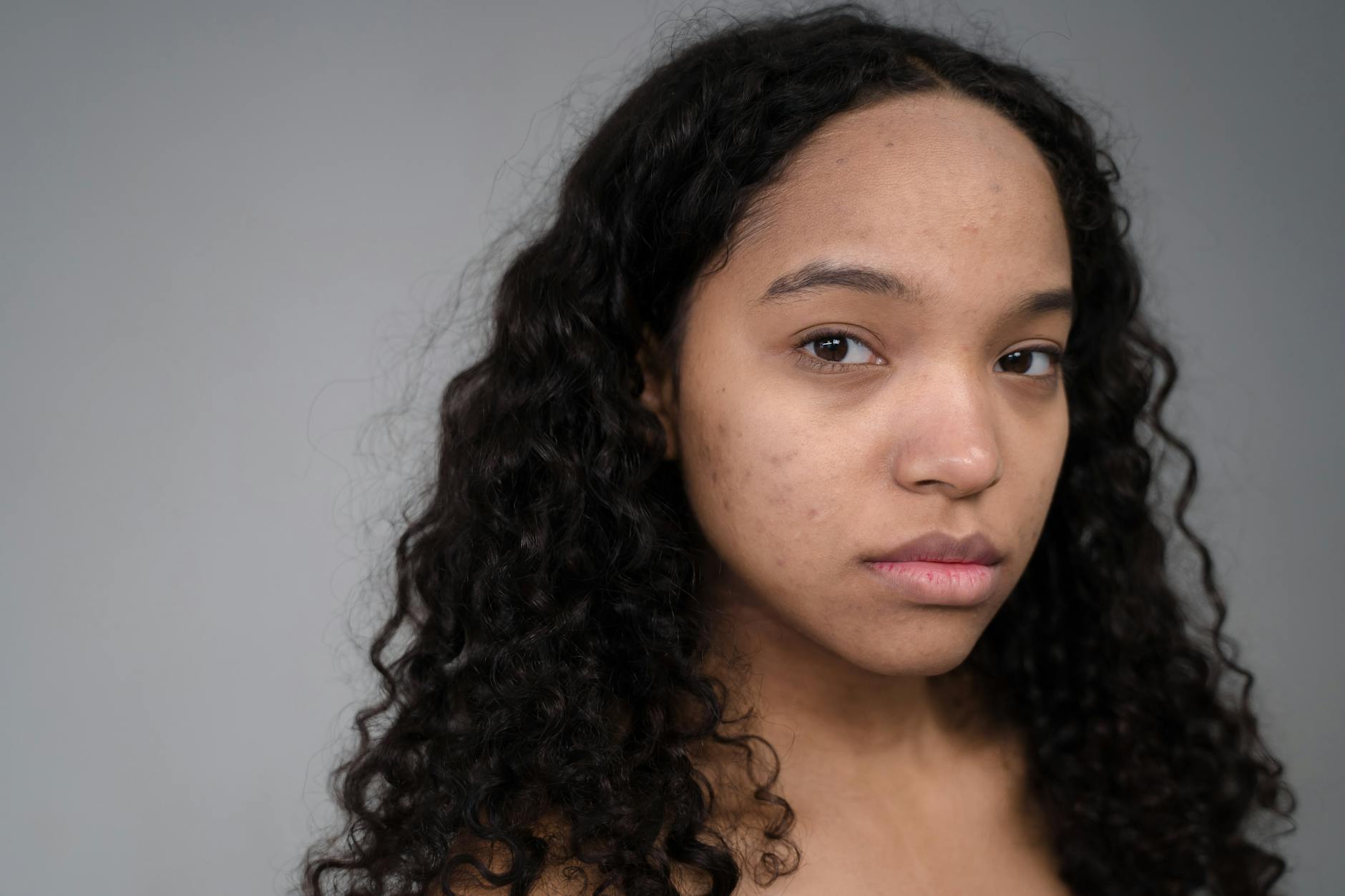
Artificial intelligence is beginning to personalize acne treatment by analyzing your skin photos in real time to recommend customized protocols. Rather than relying on generic treatment paths, AI systems examine your specific acne patterns—identifying the exact types of lesions present, assessing severity, and suggesting targeted interventions tailored to your skin condition. A machine learning-enabled skincare recommendation system evaluated in a randomized controlled trial over eight weeks (published in May 2024) showed significant reductions in acne severity and improvements in quality of life compared to standard treatment approaches, demonstrating that this technology can move beyond theoretical promise into measurable clinical outcomes.
These AI-guided protocols represent a shift from one-size-fits-all acne management toward precision medicine. The systems work by processing smartphone or clinical photos through trained algorithms that have been developed using millions of facial images. When a patient uploads a photo or clinicians use imaging during an appointment, the AI instantly categorizes the lesions present, grades overall severity, and recommends treatment adjustments—all in real time. This approach allows dermatologists and aestheticians to make more informed decisions about whether to continue, modify, or switch protocols rather than waiting weeks to assess treatment response through conventional observation.
Table of Contents
- How AI Analyzes Skin Photos to Customize Acne Treatment
- Clinical Evidence Supporting AI-Guided Protocols and Current Limitations
- Current Commercial AI Tools for Acne Evaluation
- AI-Guided Protocols Versus Traditional Acne Treatment Approaches
- Accuracy Limitations and the Validation Gap
- Integration With Emerging Acne Treatments
- The Future of AI-Guided Acne Treatment
- Conclusion
How AI Analyzes Skin Photos to Customize Acne Treatment
AI-driven acne assessment systems distinguish between different types of lesions with impressive precision. The technology can recognize and differentiate seven classes of acne lesions—blackheads, whiteheads, papules, pustules, nodules, cysts, and normal skin—with accuracy over 81 percent in controlled settings. Some algorithms have achieved diagnostic accuracy as high as 97.6 percent when evaluating overall acne severity, meaning the systems correctly classify acne severity grades comparable to how dermatologists would assess them. This level of accuracy matters because treatment decisions depend critically on knowing whether you have comedonal acne (blackheads and whiteheads) versus inflammatory acne (papules and pustules) versus severe cystic acne, which require very different approaches.
The customization happens through pattern recognition. When La Roche-Posay launched SPOTSCAN+, their free AI skin analysis tool trained on 6,000 scientific images, users can photograph their acne and receive an instant acne score ranging from 0 to 5, along with product recommendations matched to that severity level. Similarly, Haut.AI has trained algorithms on 3 million facial images and claims 98 percent diagnostic accuracy across diverse skin types. These systems aren’t simply identifying “acne” or “no acne”—they’re mapping exactly where your breakouts are located, what forms they take, and how they’ve changed over time. When you use the system weekly or biweekly, the AI can track whether a lesion is improving, remaining stable, or worsening, which informs whether your current treatment is working or needs adjustment.
Clinical Evidence Supporting AI-Guided Protocols and Current Limitations
The randomized controlled trial published in JMIR Dermatology in May 2024 provides the strongest evidence we currently have for AI-guided acne treatment. The study enrolled patients with mild-to-moderate acne and compared those using machine learning-enabled skincare recommendations against a control group receiving standard care. After eight weeks, the AI-guided group showed statistically significant reductions in acne lesion counts and severity scores, and they also reported better quality of life outcomes—meaning they felt their skin improved not just by objective measures but by their own experience. The study was evaluator-blinded, meaning the dermatologists assessing results didn’t know which patients had received AI-guided recommendations, which reduces bias in the findings.
However, a critical limitation persists: to date, no published AI algorithms have demonstrated the generalizability, reproducibility, or external prospective clinical validation necessary for routine integration into dermatological practice. This means the algorithms work well in research settings where they were developed and tested, but we don’t yet have robust evidence they perform equally well when deployed in different clinics, with different patient populations, or in real-world conditions outside controlled trials. An algorithm trained primarily on lighter skin tones may perform poorly for patients with darker skin, introducing a serious equity problem. For AI-guided acne treatment to become a standard of care rather than an emerging tool, researchers need to validate these systems across diverse populations, different imaging devices (phone cameras versus professional dermatology cameras), and various acne presentations. Until that validation occurs, AI assessment remains a helpful decision-support tool rather than a replacement for clinical judgment.
Current Commercial AI Tools for Acne Evaluation
The technology has already moved into consumer and clinical markets despite validation gaps. La Roche-Posay’s SPOTSCAN+ represents the most accessible entry point—it’s free and requires only a smartphone photo of your face. The app analyzes your skin against 6,000 reference images to generate an acne score and severity grade between 0 and 5. The recommendations it provides tier according to this score, suggesting different product concentrations or combinations depending on whether you have minimal, mild, moderate, or severe acne. Users appreciate the instant feedback and the ability to track their score over weeks to see whether their current routine is working.
For those willing to invest more, Haut.AI positions itself as a comprehensive skincare platform using AI trained on 3 million facial images. The system claims to identify not only acne but also other skin conditions—rosacea, hyperpigmentation, fine lines—and generate personalized product and protocol recommendations. The platform integrates with various skincare brands and can suggest professional treatments like chemical peels or laser therapy if AI assessment indicates they’re appropriate. While these commercial tools lack the rigorous clinical validation of research trials, they demonstrate that dermatology and aesthetics are moving toward AI-assisted decision-making. The key consideration for users is that these tools are most helpful when used alongside guidance from a licensed skincare professional, not as a substitute for professional evaluation when you have moderate or severe acne.
AI-Guided Protocols Versus Traditional Acne Treatment Approaches
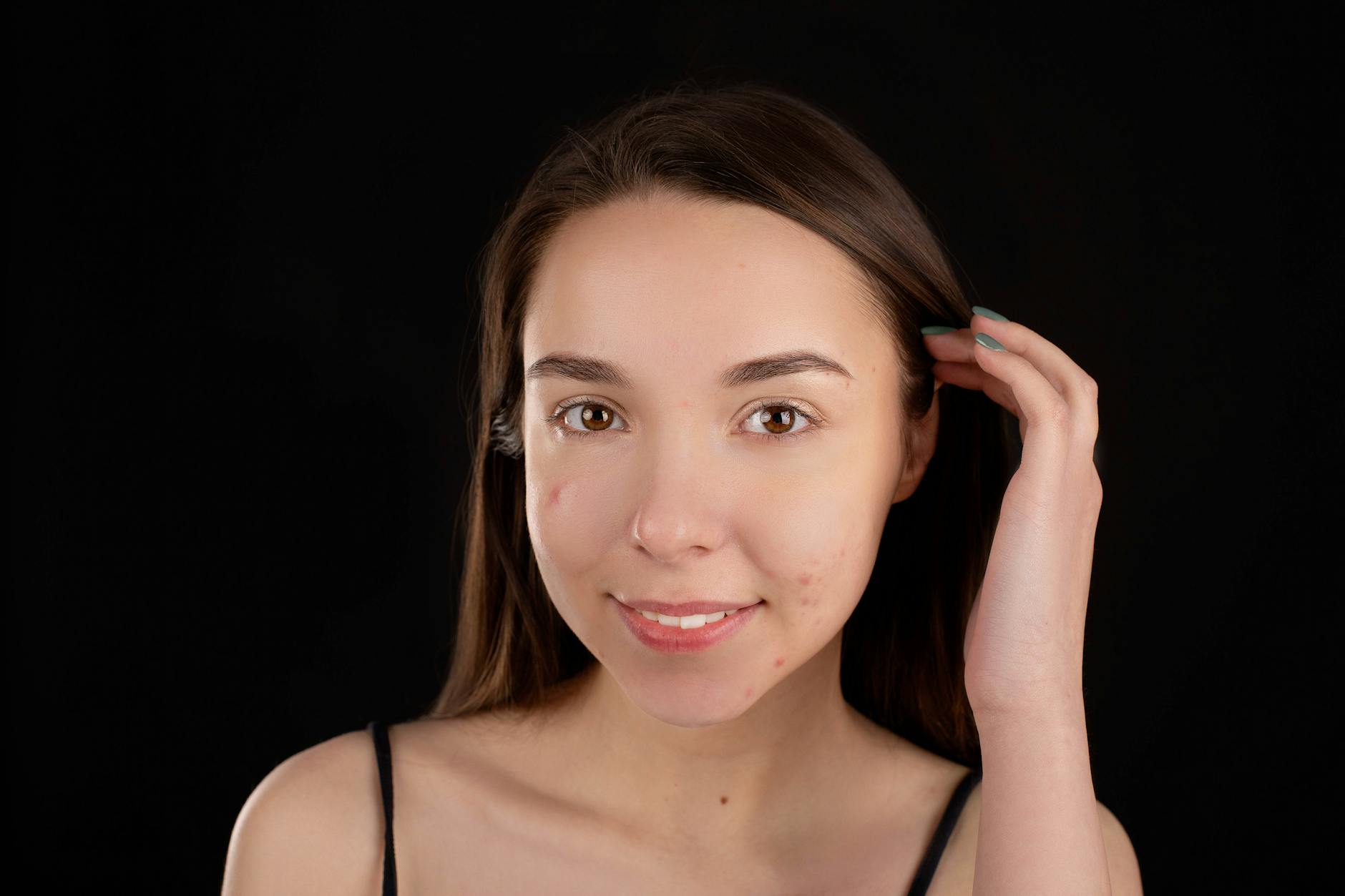
Traditional acne management relies on a practitioner’s visual assessment and the patient’s reported response over weeks. A dermatologist looks at your skin, judges severity based on experience, prescribes or recommends a treatment, and you return in four to eight weeks to assess whether it’s working. If there’s limited improvement, the treatment changes. This process works but delays optimization—someone using an oral antibiotic might suffer with significant acne for a month before the doctor realizes it’s not effective and switches to a different approach. AI-guided protocols compress this timeline. Because the system provides immediate, quantified assessment of lesion types and distribution, treatment adjustments can be considered sooner and with more precision.
If you’re using a retinoid and the AI detects improvement in papules but worsening in comedones over three weeks, that specific insight could prompt the addition of a salicylic acid cleanser before a full four-week reassessment. The trade-off is that AI assessment introduces a layer of technology between you and your practitioner. Some patients prefer the immediate feedback and feel more engaged with their treatment when they can see quantified acne scores improving. Others find frequent AI assessments anxiety-inducing, especially if the score fluctuates due to imaging angle, lighting, or skin texture changes unrelated to actual acne progression. Additionally, AI excels at pattern recognition in images but cannot assess other important factors—hormonal history, medication side effects, skin barrier function, or psychological stress—that a skilled dermatologist considers. The most effective approach appears to be hybrid: using AI assessment to augment clinical evaluation, not replace it. A dermatologist can order an AI analysis, review the results alongside clinical examination, and make more informed treatment decisions.
Accuracy Limitations and the Validation Gap
While AI systems achieve impressive accuracy percentages—97.6 percent in some studies—these figures require careful interpretation. Accuracy depends heavily on the dataset used to train the algorithm and the conditions under which it’s tested. An algorithm trained and tested on the same patient population or imaging conditions may appear highly accurate but perform poorly on a different population. For example, if an AI system was trained primarily on acne in patients with lighter skin, its accuracy rates on darker skin tones may drop significantly—a known problem in dermatology AI. The 81 percent accuracy for distinguishing seven acne lesion classes sounds good, but it means roughly one in five lesion classifications could be wrong, which matters when treatment decisions depend on precise lesion identification.
The validation gap represents the biggest practical limitation. The eight-week randomized trial showing AI’s effectiveness was conducted in a controlled research environment with specific imaging protocols and patient selection criteria. Deploying that same algorithm in a busy dermatology clinic where patients photograph themselves with different phones and lighting, or in diverse geographic regions with different skin demographics, introduces variables the algorithm wasn’t validated against. Dermatology as a field has seen this problem before: a diagnostic algorithm works brilliantly in its development center but performs unexpectedly in other settings. Any AI-guided acne protocol you use should be treated as a helpful tool that supports but does not override your dermatologist’s clinical judgment, particularly if you have moderate-to-severe acne, are pregnant or breastfeeding, or have other medical conditions that influence acne treatment options.
Integration With Emerging Acne Treatments
AI-guided protocols are developing in parallel with new acne medications that represent different mechanisms of action. One Phase III clinical trial is recruiting patients for ASC40 (denifanstat), a selective inhibitor of fatty acid synthase. Rather than targeting bacteria or inflammation like conventional acne medications, ASC40 directly reduces sebum production and inflammatory signaling—addressing root causes of acne formation. AI assessment could potentially make this class of medications more effective by precisely tracking sebum-related changes and papulopustular acne versus comedonal acne, allowing clinicians to identify which patients respond best to anti-sebum approaches.
More experimental is an mRNA-based acne vaccine currently in Phase I/II trials that began in April 2024 with an estimated completion in December 2027. This approach trains the immune system to recognize and attack the bacteria and inflammatory pathways involved in acne formation. If the vaccine succeeds, AI-guided protocols could be valuable for identifying which patients would benefit most from vaccination, tracking immune response through skin changes, and optimizing combination therapy with other treatments. These emerging options highlight why AI assessment tools are gaining traction—they provide the detailed, quantified monitoring that precision medicine approaches require.
The Future of AI-Guided Acne Treatment
The trajectory of AI in acne management points toward integration into standard clinical workflows rather than remaining a specialized tool. As more dermatologists adopt AI assessment systems and real-world data accumulates outside research settings, the validation gap will gradually close. The technology that currently works best in controlled trials will be tested, refined, and validated across diverse populations and clinics. This process takes time—probably several more years before major dermatology societies issue guidelines incorporating AI assessment as a standard recommendation.
Simultaneously, the algorithms themselves will likely improve. Current systems distinguish seven lesion classes; future systems may differentiate morphological subtypes that provide even more precise treatment guidance. Integration with wearable sensors tracking skin hydration, microbiome changes, and hormonal markers could enrich AI assessment beyond what photographic analysis alone provides. For patients with mild-to-moderate acne and access to these tools, AI-guided protocols offer a way to optimize treatment decisions faster and more objectively. The key is maintaining realistic expectations: this is a powerful decision-support tool, not a fully autonomous treatment system.
Conclusion
AI-guided personalized acne protocols analyze skin photos to identify specific lesion types and track changes over time, enabling customized treatment recommendations that can adapt faster than traditional approaches. Clinical evidence from a randomized controlled trial demonstrates that machine learning-enabled skincare recommendations can significantly reduce acne severity and improve quality of life, though a validation gap currently exists—these algorithms work well in research settings but require broader testing across diverse populations and real-world conditions before they become standard practice. Current commercial tools like SPOTSCAN+ and Haut.AI make AI assessment accessible to consumers, while dermatologists increasingly use AI to augment clinical evaluation.
If you’re considering AI-guided acne treatment, the most effective strategy is combining it with professional dermatological care. Use AI assessment to track your acne objectively and support conversations with your provider about whether your current treatment is working and whether adjustments are needed. As validation research continues and algorithms improve, expect these tools to become increasingly integrated into dermatology practice—but they work best as a complement to, not a replacement for, expert clinical judgment tailored to your individual skin, health history, and treatment goals.
You Might Also Like
- New Nitric Oxide-Releasing Gel in Clinical Trials…Kills Acne Bacteria Through Oxidative Stress Without Resistance Development
- New JAK Inhibitor Cream in Clinical Trials…Originally for Eczema Now Being Tested for Severe Inflammatory Acne
- New CRISPR Gene Therapy for Acne in Clinical Trials…Researchers Exploring Genetic Modification of Sebaceous Glands