
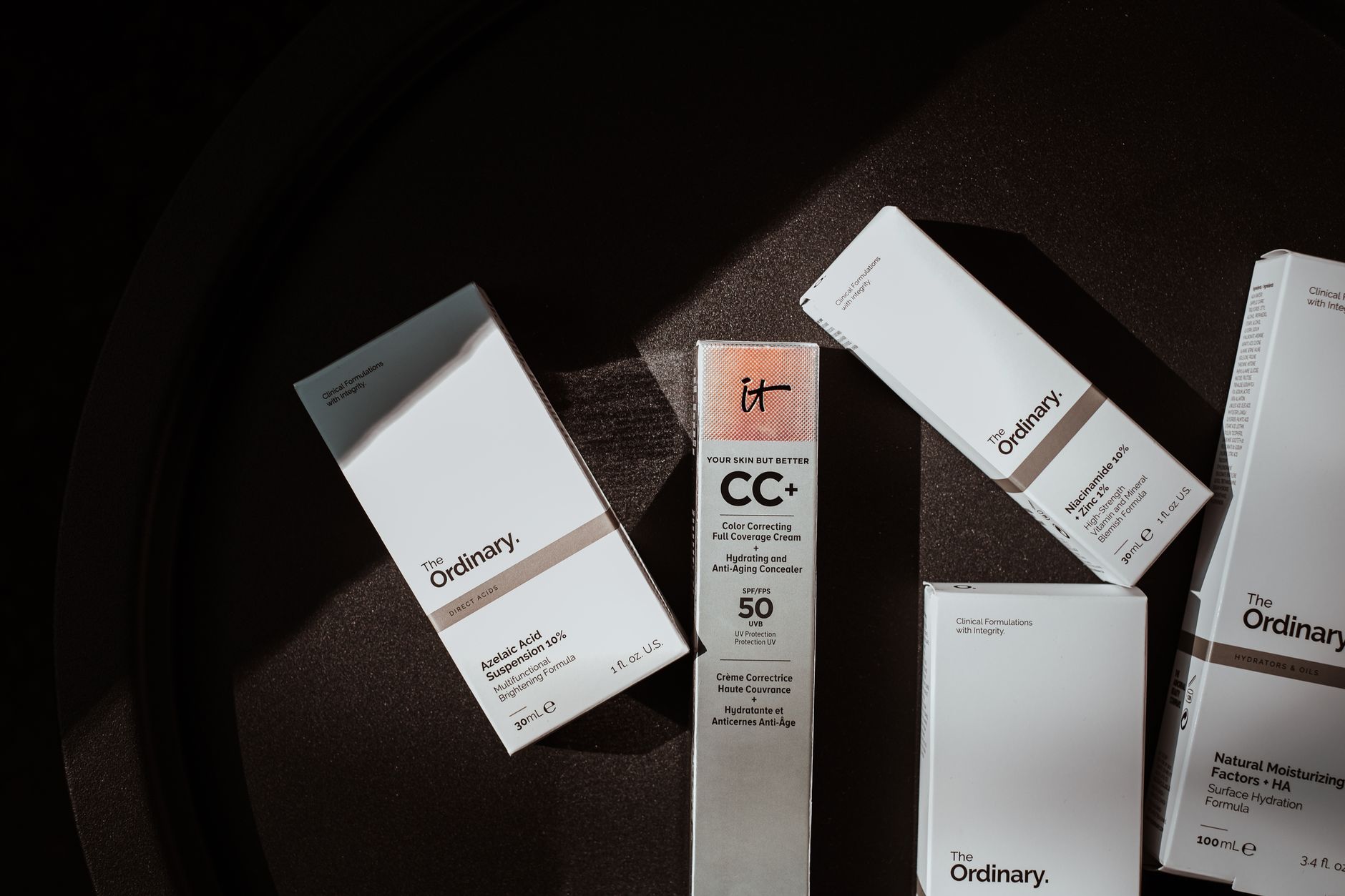
The Ordinary acne routine for beginners uses small amounts of simple serums on unbroken skin. It aims to support clearer-looking skin safely, not replace proven acne drugs. Start slowly, patch test first, and stop if irritation occurs. If breakouts persist, plan to get medical care rather than adding more products.
Medical information disclaimer: This article is for general educational purposes only and does not provide medical advice, diagnosis, or treatment. Always consult a physician or other qualified health professional about symptoms, medications, tests, or treatment decisions.
Table of Contents
- How do beginners use these two serums?
- What will these products not fix?
- Which daily habits protect progress?
- How do sun care and product safety fit in?
How do beginners use these two serums?
The Ordinary directs beginners to apply a few drops of Niacinamide 10% + Zinc 1% to the face morning and evening, according to The Ordinary in its product directions. Use only on unbroken skin after patch testing first.
The Ordinary directs once-daily evening use of Salicylic Acid 2% Solution as a small dot on targets or a light layer, according to The Ordinary in its usage directions. Avoid eyes and sensitive, peeling, or compromised skin, after a 3-day small-area patch test. Use this simple order for safety:.
- Patch test a small area first
- Apply thin layers only to unbroken skin
- Rinse, stop use, and seek physician advice if irritation occurs
What will these products not fix?
The American Academy of Dermatology's 2024 acne guidelines strongly recommend benzoyl peroxide, topical retinoids, and antibiotics, as reported by the Academy in its updated management summary. The same guidelines give only conditional backing to salicylic acid and azelaic acid. The American Academy of Dermatology advises that acne takes time to clear and people with continued breakouts should partner with a board-certified dermatologist.
That care can treat existing acne, prevent new breakouts, and reduce scarring risk. Cosmetic niacinamide and zinc support appearance and barrier care. They do not replace proven acne drugs when breakouts persist.
Which daily habits protect progress?
The American Academy of Dermatology warns beginners not to pick, pop, squeeze, scrub, or use pore-clogging oily products. Picking increases inflammation and lasting marks or scars. Choose non-comedogenic products and cleanse gently with hands.
Pat skin dry and avoid harsh scrubs or tight rubbing. Keep routines short and consistent for several weeks. Adding many new actives at once hides what helps and what irritates.
How do sun care and product safety fit in?
The Food and Drug Administration states broad-spectrum sunscreen SPF 15 or higher, used as directed with other sun protection, reduces skin-cancer and early-aging risk, explained by the FDA in its sun safety tips. The FDA recommends daily use even on cloudy days with liberal application and reapplication at least every two hours.
The Food and Drug Administration reported March 2025 testing of 95 benzoyl-peroxide acne products found more than 90 percent had undetectable or extremely low benzene. Only a small number needed retail recall. Check lot recalls, avoid heat, and treat benzene risk as low but not zero.