
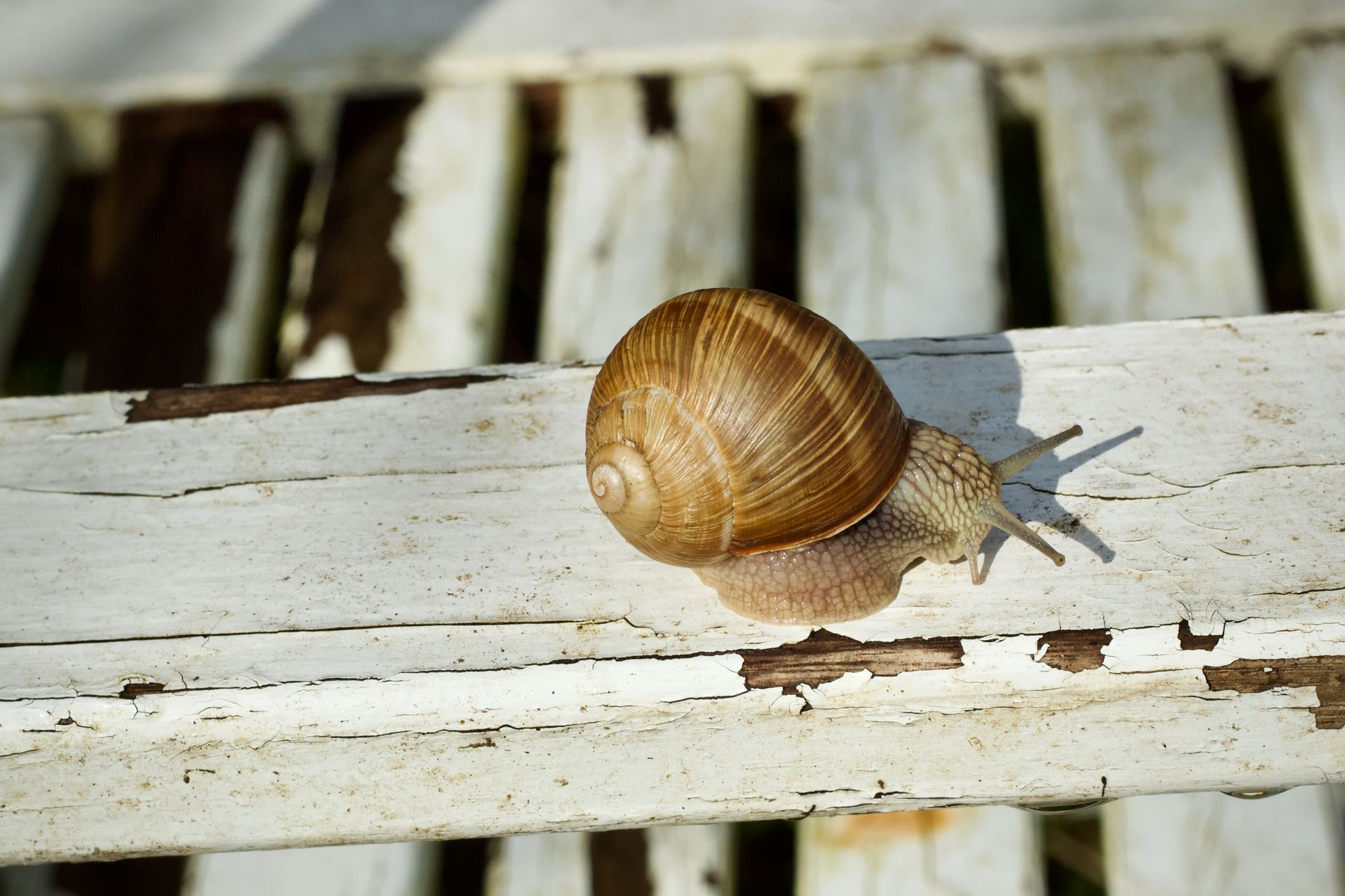
Snail mucin moisturizers are generally considered safe for acne-prone skin, but the finished product matters more than the mucin itself. The secretion filtrate carries hydrating, barrier-supporting compounds, while any breakout risk usually traces back to other ingredients blended into the formula. Snail mucin (also called snail secretion filtrate) is the substance snails produce for their own skin repair, now processed into cosmetic serums and moisturizers. Dermatology sources describe real benefits and real limits, and a few specific groups of people who should take extra care before using it.
Medical information disclaimer: This article is for general educational purposes only and does not provide medical advice, diagnosis, or treatment. Always consult a physician or other qualified health professional about symptoms, medications, tests, or treatment decisions.
Table of Contents
- What Snail Mucin Actually Does for Skin
- Does Snail Mucin Actually Help With Acne?
- Can Snail Mucin Clog Pores or Cause Breakouts?
- Who Should Be Extra Cautious With Snail Mucin
- Frequently Asked Questions
What Snail Mucin Actually Does for Skin
Snail secretion filtrate naturally contains allantoin, glycolic acid, copper peptides, and glycosaminoglycans, a mix credited with hydration and barrier-repair effects in cosmetic-ingredient reviews, according to Gold et al. in the *Journal of Cosmetic Dermatology*. These compounds are why the ingredient shows up in moisturizers marketed for dryness, dullness, and general skin recovery rather than acne treatment specifically.
The most-cited human trial on snail mucin is a double-blind, placebo-controlled, split-face study of 25 adults over 14 weeks, which found a snail-secretion-filtrate product significantly reduced periocular wrinkles compared to placebo, according to Fabi et al. in the *Journal of Drugs in Dermatology*. That trial tested anti-aging outcomes, not acne, which matters when weighing what the evidence can and cannot tell an acne-prone reader.
Does Snail Mucin Actually Help With Acne?
Snail mucin's cosmetic marketing often lists "anti-acne" among its claims, but a 2024 narrative review notes that most of the supporting research consists of preclinical work or small clinical trials, and it calls for larger controlled trials before the claim can be considered established, per Gold et al.. A separate 2025 review reached a similar conclusion: evidence looks promising for hydration, wound repair, and anti-aging, but rigorous clinical studies for specific skin conditions remain limited, a gap that includes acne-specific efficacy data, according to Rashad et al.
in the *Journal of Cosmetic Dermatology*. One laboratory study out of Indonesia did find that a gel formulated with 11% snail mucus showed antibacterial activity against *Cutibacterium acnes*, the bacterium implicated in acne breakouts, according to the Borneo Journal of Pharmacy. That result came from an in-vitro, small-scale study rather than a clinical trial on acne patients, so it points to a plausible mechanism without confirming it works the same way on real skin over time.
Can Snail Mucin Clog Pores or Cause Breakouts?
Dermatology trade coverage notes that snail mucin itself isn't established as pore-clogging, but finished moisturizers that pair it with heavy oils, silicones, or fatty alcohols can trigger breakouts in acne-prone users, according to *Dermatology Times*. That means the full ingredient list, not the mucin alone, determines whether a given product is likely to clog pores.
No published, controlled comedogenicity test of snail mucin exists, which is why the practical guidance from clinicians is to patch-test any new snail-mucin moisturizer before applying it to the whole face, according to AAFA's Ask-the-Allergist column. This step matters most for acne-prone or sensitive skin, where a reaction to an unfamiliar formula can look like a new breakout.
- Check the full ingredient list for heavy oils, silicones, or fatty alcohols before buying.
- Patch-test on a small area of skin for 24 to 48 hours before full-face use.
- Watch the patch-test site for redness, bumps, or irritation, not just the mucin's effect.
Who Should Be Extra Cautious With Snail Mucin
Pediatric allergist Dr. Matthew Greenhawt, answering for the Asthma and Allergy Foundation of America, states that no credible reports or studies show snail mucin itself is an allergen, though it can still cause skin irritation or allergic contact dermatitis in some users, according to AAFA.
That distinction matters: the ingredient isn't flagged as a common allergen, but individual skin reactions are still possible, the same as with many active cosmetic ingredients. People with a known allergy to shellfish, mollusks, or house-dust mites should take added caution with snail-mucin products, because the secretion is a foreign animal protein capable of cross-reactive contact reactions in sensitized individuals, per AAFA. Anyone in these groups benefits most from the patch-test step before introducing a new snail-mucin product into an acne routine.
- Shellfish or mollusk allergy: cross-reactive contact reactions are possible.
- House-dust mite allergy: the same caution applies, per AAFA's guidance.
- Known sensitive or reactive skin: patch-test regardless of allergy history, since irritation can occur independent of true allergy.
Frequently Asked Questions
Is snail mucin safe to use if I have acne-prone skin?
It's generally considered safe, but check the rest of the ingredient list for heavy oils or silicones, which are more likely than the mucin to trigger breakouts, per *Dermatology Times*.
Is snail mucin a proven acne treatment?
Not yet established by large controlled trials; current reviews describe the acne evidence as preliminary, according to Gold et al. and Rashad et al.
Who should avoid snail mucin products without a patch test first?
Anyone with a shellfish, mollusk, or house-dust mite allergy, due to possible cross-reactive contact reactions, per AAFA.