
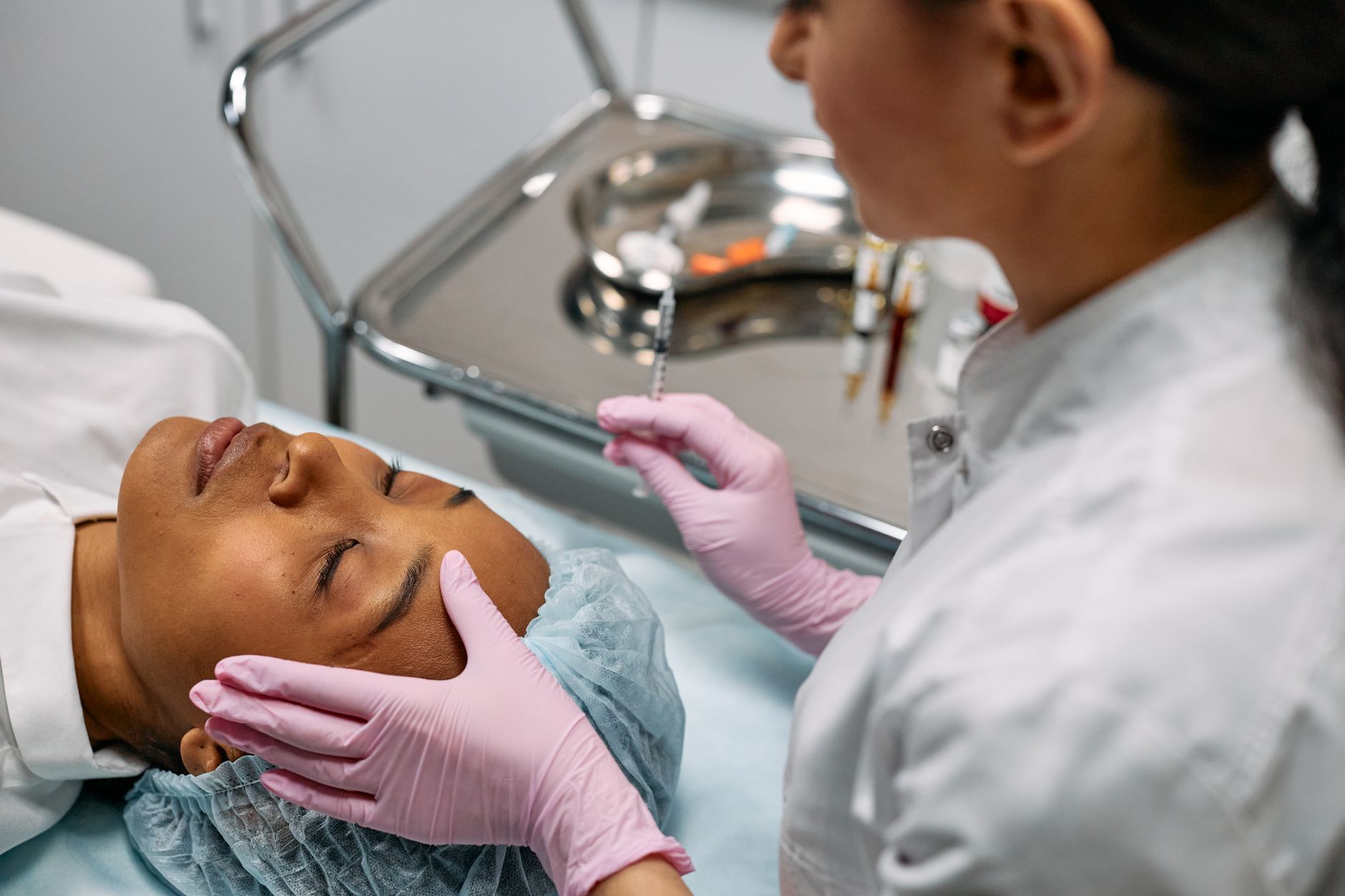
In the 2026 split-face trial, both subcision alone and subcision with suction improved atrophic acne scars. The suction-treated side earned higher physician-rated and patient-rated improvement scores.
Atrophic scars are depressed scars from collagen loss, including icepick, boxcar and rolling types. Subcision is subcutaneous incisionless surgery that releases fibrous bands tethering down the skin. The trial appeared as Subcision Versus Subcision With Suction for atrophic acne scars, according to the Wolters Kluwer/Ovid October 2026 journal page.
Medical information disclaimer: This article is for general educational purposes only and does not provide medical advice, diagnosis, or treatment. Always consult a physician or other qualified health professional about symptoms, medications, tests, or treatment decisions.
Table of Contents
- What did the two sides receive?
- Why did ratings favor suction?
- Is this result new?
- What should you ask before booking?
What did the two sides receive?
One side of the face received standard subcision. The other side received subcision plus suction. Both sides showed significant improvement in the trial population, according to the U.S.
National Library of Medicine PubMed record. The report was published in Dermatologic Surgery in October 2026 as volume 52(10):989-993. A split-face design lets each person serve as their own comparison. That structure makes side-to-side differences easier to interpret.
Why did ratings favor suction?
Physician-rated and patient-rated Acne Scar Improvement Grading Scale scores were significantly higher on the suction-treated side, with p=.002 and p=.026 respectively. The trial authors concluded subjective assessments favored suction-assisted subcision, suggesting clinically perceptible benefits not fully captured by objective scar-counting methods.
Scar counts can miss qualities patients notice in the mirror. Clinicians grade scars with Goodman-Baron, ECCA, Global Aesthetic Improvement Scale, scar counts and photography. Those tools lack full objectivity and can miss 3D depth and lighting effects.
Is this result new?
An earlier split-face rater-blinded subcision-suction trial found a similar early pattern. Patient-rated improvement was higher with suction at 1 month, 37% versus 24% with p=0.04, but not at 4 months, according to the Research Square preprint record. That earlier trial found no dermatologist-rated difference.
Adjunctive suction has been proposed to prevent early redepression after subcision. The journal summary states evidence for this use remains limited. Readers should treat suction as a possible enhancement, not a proven fix for lasting lift.
What should you ask before booking?
Common subcision harms include erythema, edema, bruising and discomfort typically lasting 1-2 weeks. Ask how the clinic handles those effects and what downtime to expect.
Also ask how many sessions the estimate includes. Bring baseline photos taken in the same light and angle. Ask the clinic to record which side or zone received suction.
- Will you use suction, with what pressure, timing and aftercare?
- How many sessions may I need, and what separate costs apply?
- How will you measure improvement: photos, scar count, grading scale or my own rating?
- What signs of prolonged swelling, infection or pigment change should prompt a call?
You Might Also Like
- Subcision With Suction for Acne Scars in a 2026 Split-Face Trial: Questions People With Atrophic Acne Scars Can Ask Before a Procedure
- Recovery and Pigment Safety in the 2026 Split-Face Acne Scar Trial: Questions People With Rolling Acne Scars Can Ask Before a Procedure
- Objective vs Patient-Rated Results in the 2026 Subcision Trial: Sample Size and Evidence Limits for People With Atrophic Acne Scars