
# PRP vs Microneedling for Skin Repair
When it comes to rejuvenating your skin without surgery, two popular treatments stand out: platelet-rich plasma (PRP) therapy and microneedling. While they work differently, both can help improve your skin’s appearance and health. Understanding how each one works will help you decide which might be right for you.
## What is PRP Therapy?
PRP therapy starts with a simple blood draw from your arm. The blood sample goes into a machine called a centrifuge, which spins it to separate the platelet-rich plasma from the red blood cells. Platelets are tiny cells in your blood that contain growth factors, which are natural substances that help your body heal and repair itself.
When a doctor injects PRP into your skin, these growth factors get to work. They signal your skin cells called fibroblasts to produce more collagen and elastin, the proteins that keep skin firm and smooth. Because PRP comes from your own blood, your body recognizes it as natural, which means the risk of allergic reactions or rejection is very low.
The results from PRP don’t happen overnight. Instead, they develop gradually over weeks and months as your body produces new collagen. Most people start noticing improvements within a few weeks, with the best results appearing after several months.
## What is Microneedling?
Microneedling uses a device covered with tiny needles to create controlled micro-injuries on your skin’s surface. These needles are so small that they don’t cause pain or serious damage. Instead, they trigger your body’s natural healing response.
When your skin detects these micro-injuries, it springs into action to repair itself. This healing process stimulates the production of collagen and elastin, just like PRP does. The micro-channels created by the needles also allow products applied to your skin to penetrate deeper than they normally would.
Like PRP, microneedling results develop gradually. You might notice your skin looking brighter and smoother within a week, but the full benefits take several months as collagen production increases.
## How They Compare
Both treatments improve skin texture, reduce fine lines, and boost collagen production. Both are minimally invasive, meaning they don’t require surgery or extensive downtime. You might experience mild redness or swelling for a day or two after either treatment, but you can usually return to your normal activities right away.
The main difference is how they work. PRP relies on growth factors from your blood to trigger healing from within. Microneedling creates physical micro-injuries that prompt your body’s natural repair response. PRP is injected into specific areas, while microneedling is rolled or stamped across larger areas of skin.
## The Power of Combining Both Treatments
Here’s where things get really interesting. When doctors combine PRP with microneedling, the results can be even better than either treatment alone. This combination is sometimes called a “vampire facial.”
Here’s why the combination works so well: Microneedling creates those micro-channels in your skin, which opens pathways for PRP to penetrate deeply. The growth factors in PRP can then reach deeper layers of skin where they can do more work. At the same time, the micro-injuries from microneedling activate your body’s healing response, which makes it even more receptive to the growth factors in PRP.
The result is amplified collagen production and faster healing. Your skin gets the benefits of both treatments working together, which speeds up the rejuvenation process and can produce more noticeable improvements.
## What Results Can You Expect?
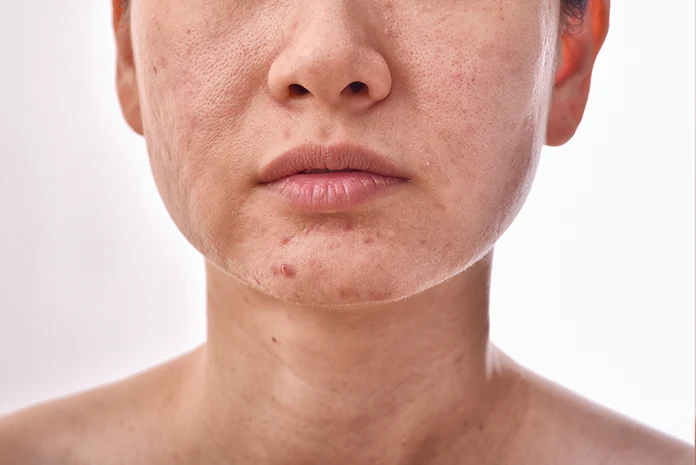
With either treatment or the combination, you can expect improvements in several areas. Your skin texture will become smoother and more refined. Fine lines and wrinkles will appear softer and less noticeable. Your skin tone will look more even and radiant. If you have acne scars or other marks on your skin, these treatments can help reduce their appearance.
Most people need multiple sessions spaced weeks apart to get the best results. The exact number depends on your skin condition and your goals. Some people see results after just one session, while others benefit from two or three sessions.
## Who Can Benefit?
Both PRP and microneedling are safe for all skin types, including sensitive and mature skin. They work well for people in their twenties who are starting to see early signs of aging, and they’re equally effective for older adults who want more dramatic improvements.
These treatments are particularly good if you want natural-looking results rather than dramatic changes. They won’t stretch your skin or freeze your muscles like some other procedures. Instead, they work with your body’s natural healing processes to gradually improve how your skin looks and functions.
## The Recovery Process
One of the biggest advantages of both treatments is that they require minimal downtime. After your treatment, you might experience mild redness that looks like a light sunburn, or some minor swelling or bruising. These side effects usually go away within one or two days.
You’ll receive aftercare instructions to follow, which typically include using medical-grade skincare products and protecting your skin from the sun. Following these instructions helps ensure the best results and protects your healing skin.
## Cost Considerations
Both treatments are typically paid out of pocket because most insurance companies don’t cover them. The cost varies depending on where you live, which clinic you choose, and how many sessions you need. Most clinics charge per session, so you’ll want to discuss pricing with your provider before starting treatment.
## Making Your Choice
If you’re trying to decide between PRP and microneedling, consider what matters most to you. If you prefer a treatment that relies entirely on your body’s own healing factors, PRP might appeal to you. If you like the idea of a device-based treatment that creates visible micro-channels, microneedling might be your choice.
However, many skin care professionals recommend the combination of both treatments for the best results. The synergy between them creates more dramatic improvements than either treatment alone, and the combination is still minimally invasive with minimal downtime.
Talk with a qualified dermatologist or aesthetician about your skin concerns and goals. They can help you decide which treatment or combination of treatments will work best for your specific situation. Both PRP and microneedling have strong research backing their effectiveness, so you can feel confident that you’re choosing a treatment with real science behind it.
—
Sources