
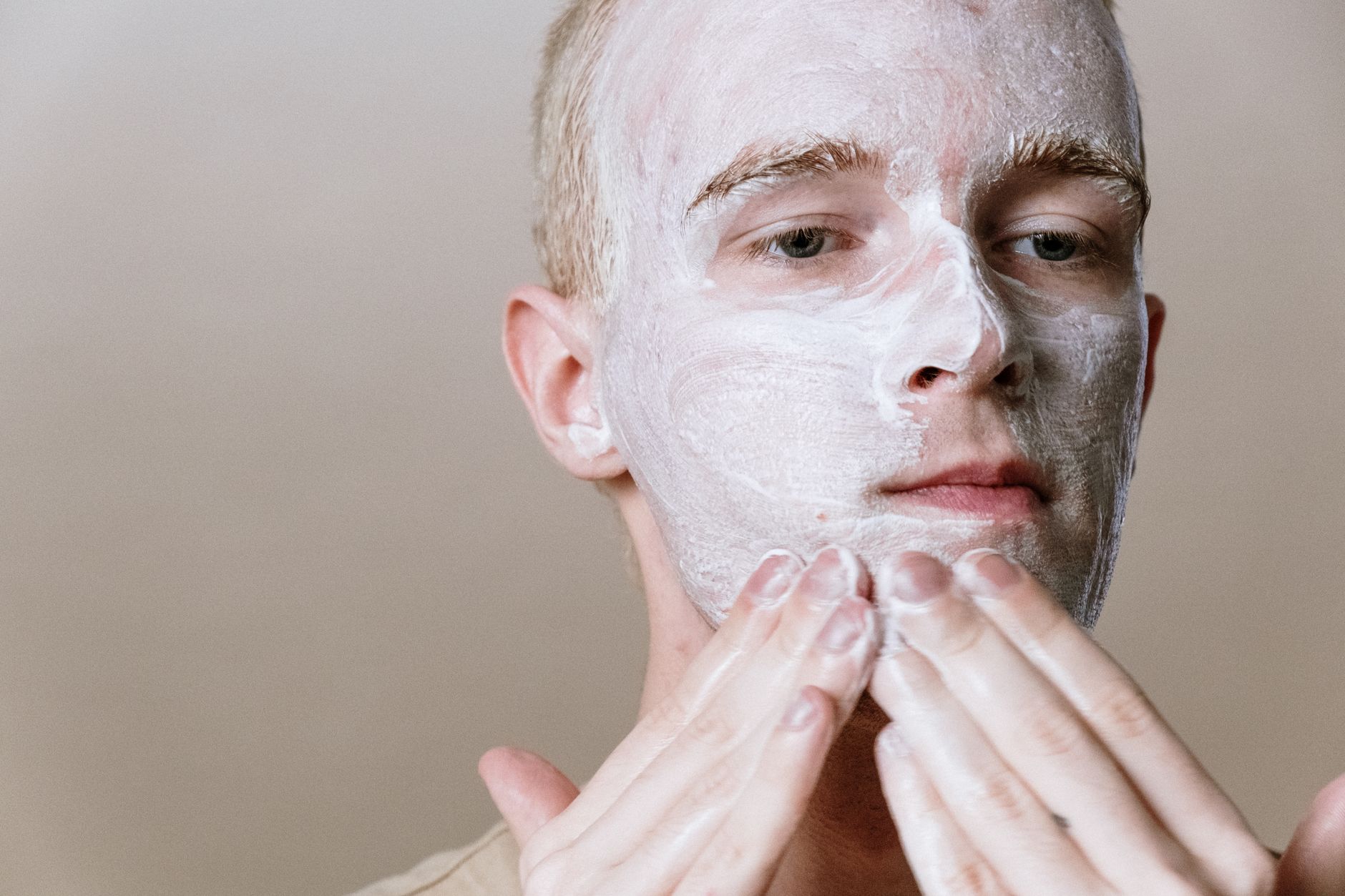
A 2026 systematic review found biotics added to standard acne care linked to lower total lesions, but smaller reviews disagree. People with acne-prone skin can ask a dermatologist about a specific strain, dose, duration, and fit with their current regimen. Probiotics are live microbes taken to affect gut or skin bacteria. The large review covered 33 studies with 2,112 acne vulgaris patients aged 18-33 over 4-25 weeks, mostly as add-ons, according to the Springer Nature review page.
Medical information disclaimer: This article is for general educational purposes only and does not provide medical advice, diagnosis, or treatment. Always consult a physician or other qualified health professional about symptoms, medications, tests, or treatment decisions.
Table of Contents
- What did the largest review find?
- Why do other reviews disagree?
- How safe are acne biotics, and what are the limits?
- What should you ask your dermatologist?
What did the largest review find?
The review reported pooled mean total-lesion reductions of 45.2% with probiotics, 49.5% with postbiotics and 37.2% with prebiotics, versus 37% in controls. Postbiotics are inactive microbial products, while prebiotics feed helpful microbes. The figures come from the PubMed Central summary of the Dermatologic Therapy review.
Most studies tested biotics alongside standard treatment, not alone. That matters because the added benefit looked modest for some groups. Safety was generally favorable in the review period.
Why do other reviews disagree?
A separate review of 9 randomized trials with 623 patients found only slight differences at 4 weeks, then greater improvement in inflammatory and non-inflammatory lesions after 12 weeks of oral probiotics, according to the Clinical and Experimental Dermatology record. Inflammatory lesions are red, tender bumps, while non-inflammatory lesions include blackheads and whiteheads. A Medicina review of 3 double-blind trials with 231 patients found a modest drop in inflammatory counts.
The effect size was standardized mean difference -0.57. Certainty was low to moderate. A GRADE review of 5 Lactobacillus-based trials with 332 patients found no significant cut in inflammatory, non-inflammatory or total lesions versus placebo or benzoyl peroxide, according to the PubMed Central report on Lactobacillus trials. Strain choice may shape results.
How safe are acne biotics, and what are the limits?
Reported harms were minimal across trials, mainly mild transient bloating, gas or digestive discomfort. Several trials reported no adverse events at all. Limits remain large.
Trials were small and used different strains, doses and durations. Reporting was inconsistent, and positive supplement studies are more likely to appear. Biotic therapy is absent from current American Academy of Dermatology acne guidelines, according to Medscape Medical News coverage.
What should you ask your dermatologist?
Bring your full acne regimen, including prescription creams, benzoyl peroxide, retinoids, antibiotics and supplements. Ask whether a named strain has support for your lesion type and whether 12 weeks is a fair trial period.
The FDA does not evaluate dietary supplements for acne efficacy or safety, and interactions and labeling vary, according to Dermatology Times reporting on skin supplements. Bring the product label so the dermatologist can check the strain, colony-forming units, other ingredients and directions.
- What exact strain, dose, form and duration fits my regimen?
- Should it replace or add to my current treatment?
- What gut, allergy or drug-interaction risks apply to me?
- What stop signs should prompt me to quit, such as rash, swelling or severe gut pain?
- How will we track lesions, photos and side effects?
You Might Also Like
- The 2026 Review of Topical Antibiotic Monotherapy for Acne: Questions Adults With Persistent Acne Can Ask a Dermatologist
- Omega-3 Balance and Acne Questions in the 2026 Diet Review: Questions Adults With Persistent Acne Can Ask a Dermatologist
- Diet and Acne Facts and Controversies in the 2026 Review: Questions Adults With Persistent Acne Can Ask a Dermatologist