
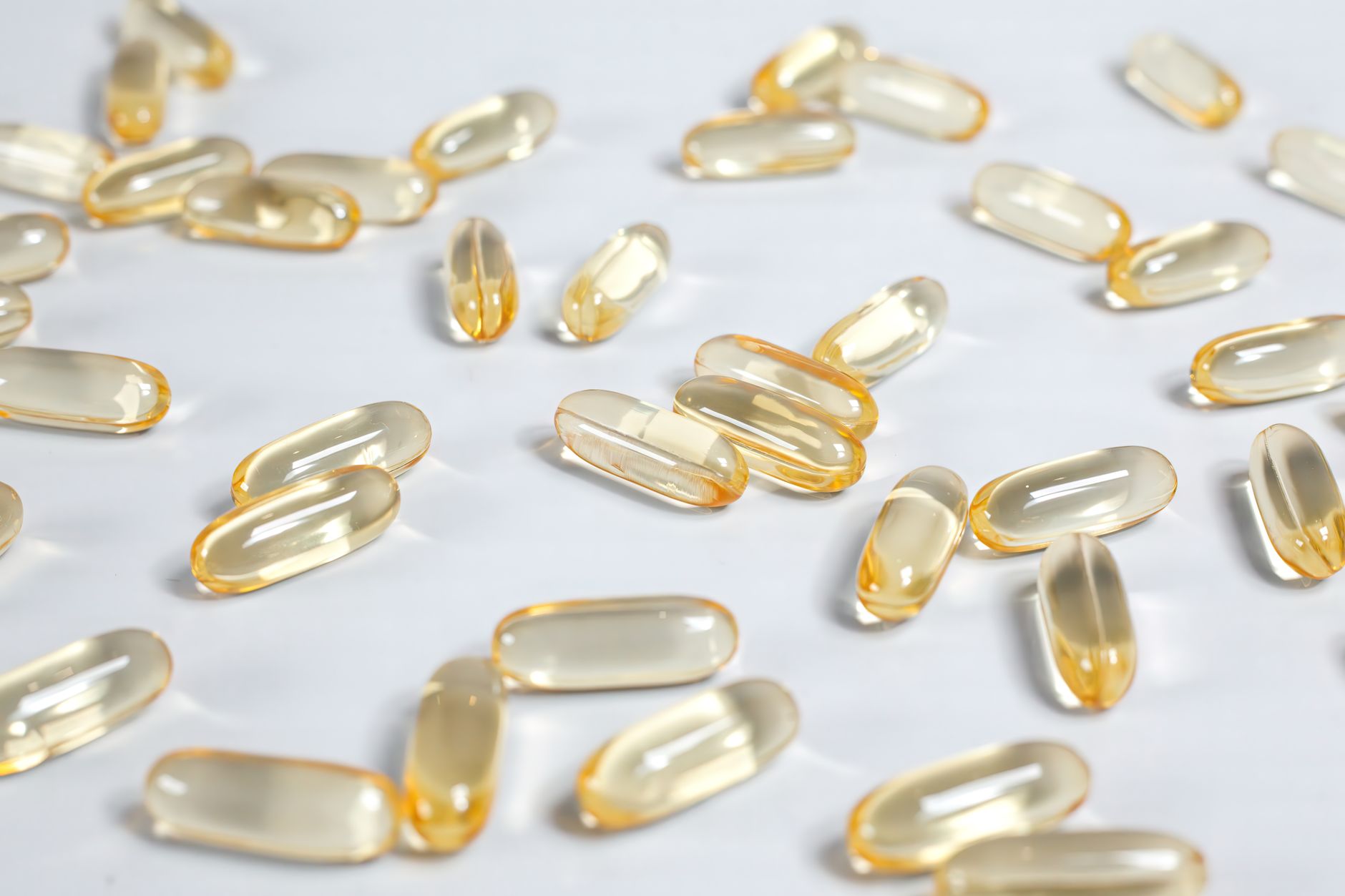
Adults with persistent acne can ask a dermatologist whether omega-3 intake and omega-6 to omega-3 ratio fit their treatment plan. Omega-3 balance means the amount of omega-6 fats in the diet relative to omega-3 EPA plus DHA. That balance matters because it can shape inflammatory signals tied to breakouts. Your visit can focus on eating pattern, current intake, and whether diet change or supplements deserve a trial.
Medical information disclaimer: This article is for general educational purposes only and does not provide medical advice, diagnosis, or treatment. Always consult a physician or other qualified health professional about symptoms, medications, tests, or treatment decisions.
Table of Contents
- What does omega-3 balance mean for acne?
- How strong is the diet evidence?
- Which food questions clarify your pattern?
- What should you ask about supplements?
What does omega-3 balance mean for acne?
Think of balance as a ratio, not one food. In that review framing, more omega-6 relative to omega-3 pushes toward pro-inflammatory eicosanoids. The 2026 review in MDPI Metabolites contrasts Western intakes near 10:1 to 20:1 with non-Western patterns near 2:1 to 3:1 linked to less acne 2026 Metabolites review.
A lower ratio does not mean omega-6 is poison. It means total pattern, portion sizes, and steady habits matter more than one meal. Ask your dermatologist how that pattern idea applies to your breakouts.
How strong is the diet evidence?
Clinical guidance stays cautious. Medscape reporting on the 2024 American Academy of Dermatology acne guidelines notes they make no specific dietary recommendation Medscape guidelines summary. That caution helps you treat diet as an add-on question, not a replacement for proven care.
Smaller clinical work looks more promising but stays limited. Reported by Healio, 60 mild-to-moderate acne patients used Mediterranean diet plus EPA plus DHA for 16 weeks and saw lesions fall as omega-3 levels rose Healio dermatology report. The small size and short course mean you should discuss fit, not assume the same result.
Which food questions clarify your pattern?
Bring a clear picture of your routine. List meals, snacks, drinks, cooking fats, and any fish-oil or algae-oil products with doses.
Note breakout timing, menstrual cycle, stress, sleep, and new skin products. Ask whether a plant-focused Mediterranean pattern fits your needs and health history. Ask how long to trial a change, what to track, and which photos or lesion counts your clinic prefers.
What should you ask about supplements?
Supplement safety needs a personal check. The NIH Office of Dietary Supplements cites FDA guidance to limit combined EPA plus DHA to no more than 3 g per day NIH omega-3 fact sheet. Ask your dermatologist about bleeding risk and drug interactions for your dose.
Use the visit to tailor dose and safety checks. Bring these exact questions: Bring a one-week food log plus every supplement bottle or label. Bring your full drug list so dose and interaction checks stay exact.
- Should I change foods first, add EPA plus DHA, or do both?
- What daily EPA plus DHA dose and trial length fit me?
- What bleeding signs, side effects, or drug interactions should stop use?
- How will we judge acne change at follow-up?
You Might Also Like
- Diet and Acne Facts and Controversies in the 2026 Review: Questions Adults With Persistent Acne Can Ask a Dermatologist
- High-Glycemic Diets and Acne Evidence Revisited in 2026: Questions Adults With Persistent Acne Can Ask a Dermatologist
- Microbiome-Friendly Acne Care Questions Raised in 2026: Questions Adults With Persistent Acne Can Ask a Dermatologist