
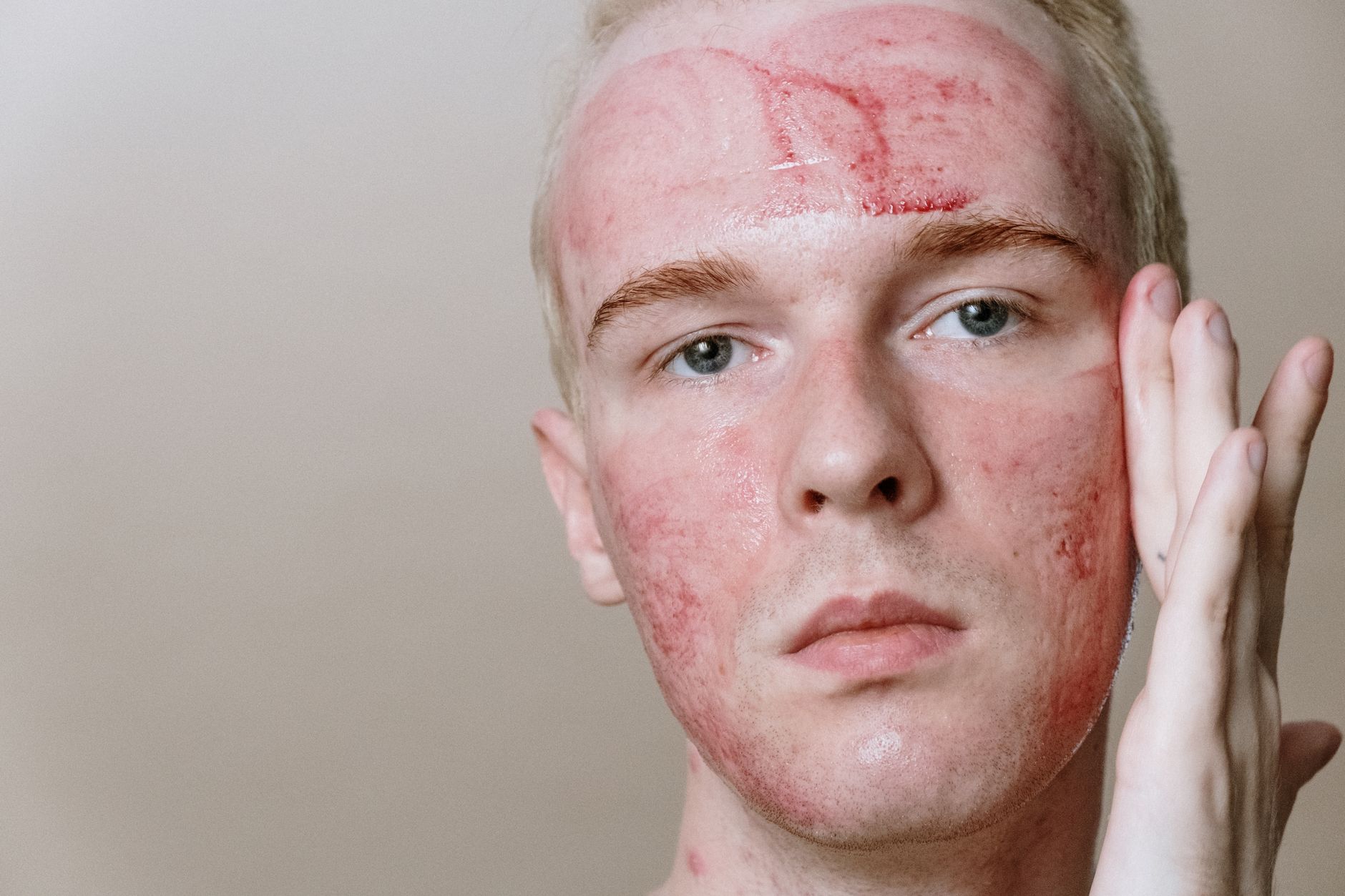
PIH from acne is flat tan, brown, gray, or black discoloration left where pimples healed. It is excess melanin triggered by inflammation, not a pitted or raised true scar. Anyone can develop these marks, but they are often more intense and longer-lasting in darker skin. Families can slow new marks by controlling active acne and protecting skin from sun.
Medical information disclaimer: This article is for general educational purposes only and does not provide medical advice, diagnosis, or treatment. Always consult a physician or other qualified health professional about symptoms, medications, tests, or treatment decisions.
Table of Contents
- What do acne PIH marks look like?
- Who notices them most?
- How do you stop new marks from forming?
- What helps fade persistent color?
- How long does fading take?
What do acne PIH marks look like?
PIH spots are flat patches of darker color where a pimple has healed. They can look tan, brown, gray, or black, depending on skin tone and depth of pigment.
DermNet NZ explains that inflammation drives the excess melanin behind this color change in its guide to postinflammatory hyperpigmentation. Unlike true acne scars, these spots do not pit inward or rise above the skin. That flat surface helps separate color-only PIH from texture change that needs different care.
Who notices them most?
PIH can affect anyone after acne, yet darker skin often holds the pigment longer. Davis and Callender report stronger and more persistent marks in Fitzpatrick types III-VI in their review of postinflammatory hyperpigmentation.
Patients in that group often say the dark marks bother them more than the acne itself. For families, that distress is a practical signal to treat both breakouts and leftover color.
How do you stop new marks from forming?
Start by keeping active acne under control. Continued breakouts create continued inflammation, which creates new dark spots.
Avoid picking, squeezing, or harsh scrubbing. Davis and Callender note in the PubMed abstract of their review that trauma and irritation add inflammation and delay fading.
- Treat active pimples promptly rather than waiting them out
- Leave scabs and healing spots alone
- Avoid harsh peels, scrubs, and picking tools at home
- Wear daily broad-spectrum SPF 50+ sunscreen and limit direct sun, since ultraviolet exposure darkens PIH and prolongs healing
What helps fade persistent color?
Daily sunscreen plus a topical tyrosinase inhibitor is common first-line care. Options include hydroquinone, azelaic acid, kojic acid, or arbutin, and combination regimens are often more effective than one agent alone.
For stubborn marks, dermatologists also use tretinoin and other retinoids, corticosteroids, triple hydroquinone-retinoid-steroid combinations, chemical peels, and vitamin C. These approaches need medical supervision because irritation and side effects can worsen pigment.
How long does fading take?
Expect slow change over months and sometimes years. Children's patient guidance notes skin often returns to normal within six months but may take longer.
PIH can return if acne flares or sun protection lapses. Preventing new breakouts matters as much as lightening old marks.
You Might Also Like
- Skin-Tone Equity Gaps in 2026 Acne AI Research: How Adults Tracking Acne at Home Can Compare Acne Apps
- Skin-Tone Equity Gaps in 2026 Acne AI Research: How Adults Tracking Acne at Home Can Avoid AI Hype
- Recovery and Pigment Safety in the 2026 Split-Face Acne Scar Trial: How People With Skin of Color Can Avoid Overreading the Headline