
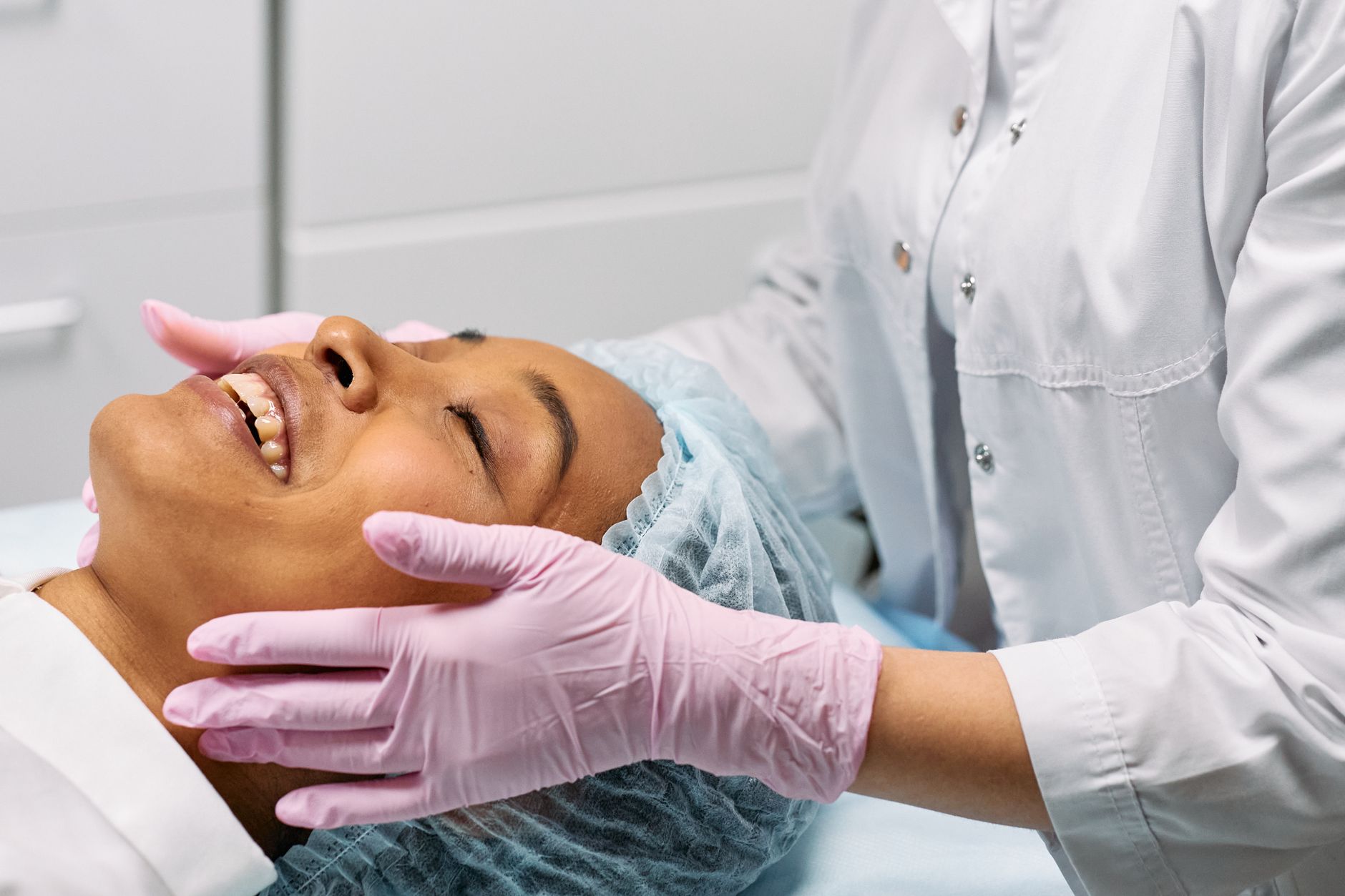
Photodynamic therapy for acne is an in-office treatment that uses a light-sensitive medicine plus light to target oil glands and acne bacteria. Beginners can think of it as a short series of clinic visits, not a cream or a light device alone.
It combines a photosensitizing drug, oxygen, and light to make oxygen intermediates that destroy selected skin cells. Dermatology Times notes that this drug-plus-light action differs from using light alone. For acne, the target is mainly the pore and oil gland.
Medical information disclaimer: This article is for general educational purposes only and does not provide medical advice, diagnosis, or treatment. Always consult a physician or other qualified health professional about symptoms, medications, tests, or treatment decisions.
Table of Contents
- How does it work on acne?
- What happens during treatment?
- Who tries it and how long does it help?
- What are side effects and aftercare?
How does it work on acne?
Treatment often uses topical aminolevulinic acid, which pilosebaceous units absorb more readily than nearby skin. A pilosebaceous unit means the pore plus its oil gland and hair follicle. Keratinocytes turn the drug into protoporphyrin IX, which becomes cell-damaging under blue or red light. The U.S. National Library of Medicine archives the pilot report in its PMC summary.
Once activated, the treatment kills Cutibacterium acnes bacteria and injures oil glands. It also shrinks glands, lowers sebum output for weeks, and reduces gland size and activity. Medical News Today summarizes these antibacterial and oil-gland effects in its PDT reporting. Less oil and fewer bacteria mean fewer tender, inflamed bumps for suitable patients. The effect centers on infected pores, not surface dryness or blackheads alone.
What happens during treatment?
A common visit starts with cleansing, then 5-aminolevulinic acid stays on the skin for 30–60 minutes. Blue-light exposure follows for about 8–15 minutes.
A Northwestern dermatologist described this timing in Dermatology Times in its practice account. Expect these steps at most clinics: Most beginners receive 3–4 sessions about two weeks apart. A single session rarely settles moderate acne, so planning the full series matters.
- Skin cleansing and acid application
- 30–60 minute wait while the drug absorbs
- Blue-light exposure for about 8–15 minutes
Who tries it and how long does it help?
Doctors generally reserve PDT for moderate inflammatory, severe, resistant, or adult acne. It is often paired with topical treatment or a short course of systemic antibiotics, not used alone. Dermatology Times reports this combination approach and notes clearance after a series may last about six to eight months. The early support includes a 22-person split-site study of back acne.
It tested ALA plus red light against ALA alone, light alone, and no treatment. Multiple treatments cleared inflammatory acne significantly, with benefit lasting at least 20 weeks. Medscape summarizes the Hongcharu study abstract. That history means PDT fits persistence, not first pimples. People with mild, occasional whiteheads rarely need this level of care.
What are side effects and aftercare?
Expect short-term irritation even when treatment works. In a 35-patient Shanghai study of ALA-PDT for acne vulgaris, erythema occurred in 94.3%, pain and burning in 91.4%, and pustules in 82.9%. Edema occurred in 20% and blisters in 11.4%, with later crusting and dark spots, as reported by Drug Topics in its adverse-events summary.
Photosensitivity lasts after you leave, so strict light avoidance matters for about 48–72 hours. Cleveland Clinic advises staying indoors, avoiding direct sun and bright indoor light, and wearing a wide-brimmed hat home in its blue-light therapy guide. Use this aftercare check: Keep cool compresses and moisturizer nearby for burning or peeling.
- Stay indoors for 48–72 hours when possible
- Wear a wide-brimmed hat for the trip home
- Use cool compresses and moisturizer for burning or peeling