
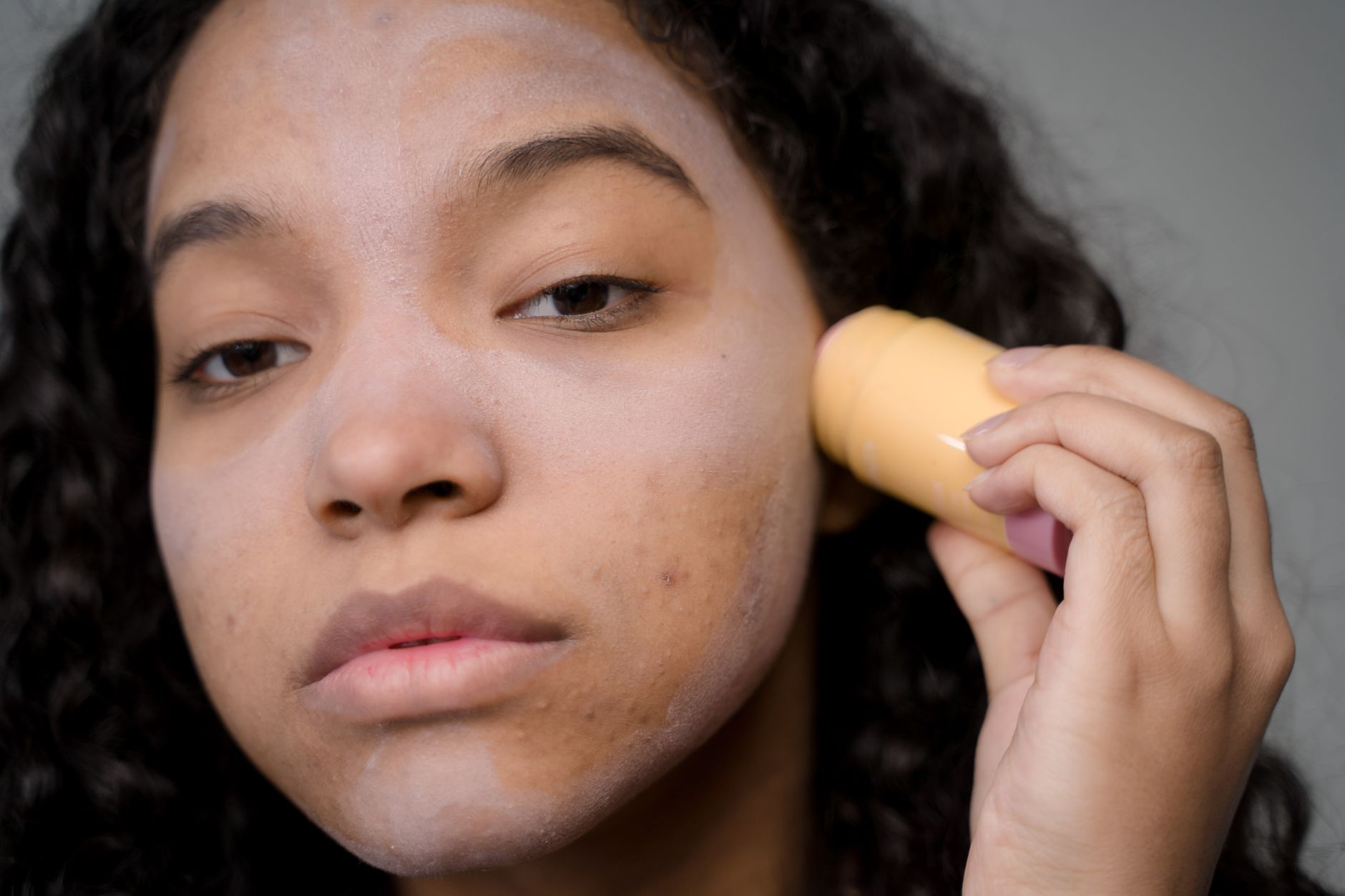
The 2026 Annual Meeting of the American Academy of Dermatology (AAD) tells parents to seek early diagnosis and tailored care for teen acne. Pediatric acne means breakouts in children and teens, and pediatric rosacea means a separate inflammatory condition that can also cause facial bumps.
According to an AJMC preview, the meeting ran March 27-31, 2026 at the Colorado Convention Center in Denver with more than 275 sessions the AJMC meeting preview. The American Academy of Dermatology preview listed Dawn Eichenfield, MD, FAAD, PhD of Rady Children's Hospital-San Diego/UC San Diego to explain pediatric differences the AAD meeting preview. That same Academy preview named early diagnosis and tailored treatment as essential for persistent or atypical breakouts.
Medical information disclaimer: This article is for general educational purposes only and does not provide medical advice, diagnosis, or treatment. Always consult a physician or other qualified health professional about symptoms, medications, tests, or treatment decisions.
Table of Contents
- Why does teen acne need a different approach?
- What should parents do first?
- Which treatments might the dermatologist discuss?
- When could redness be rosacea instead?
Why does teen acne need a different approach?
Teen breakouts often involve changing hormones, sensitive skin, and inconsistent routines. Adult products and dosing do not always transfer cleanly.
Individualized care means matching strength, vehicle, and schedule to age, severity, and tolerance. It also means adjusting when irritation appears or response stalls.
What should parents do first?
Acne affects about 85% of adolescents, according to AAD guidance reported via Newswise. That guidance covers adolescents and children age 9 and older, so most teens fall in the treatment population.
For persistent or atypical breakouts, keep notes and book a dermatologist visit. Bring these details: Ask what diagnosis fits, what options suit age and severity, and when to return. Early review helps avoid using adult rosacea care for a teen problem.
- how long breakouts have lasted and where they appear
- what products or prescriptions have been tried and how skin reacted
- flushing, lasting redness, or bumps that do not look like typical acne
Which treatments might the dermatologist discuss?
AAD guidance gives strong recommendations to benzoyl peroxide, topical retinoids and/or antibiotics and fixed-dose combinations, plus oral isotretinoin for severe acne. A retinoid plus benzoyl peroxide is the usual starting multimodal therapy, according to an AAD guideline summary via Medscape. Several newer options carry pediatric labeling, according to the Journal of the American Academy of Dermatology guideline the JAAD acne guideline.
Trifarotene 0.005% cream, dapsone gel and minocycline 4% foam are labeled from age 9 and older. Clascoterone 1% cream is labeled from age 12 and older. To curb resistance, AAD guidance says limit oral-antibiotic duration when possible and always pair topical or oral antibiotics with benzoyl peroxide. Sarecycline is a narrower-spectrum tetracycline option for inflammatory acne from age 9 and older.
When could redness be rosacea instead?
Pediatric rosacea is uncommon and looks different from adult disease. Flushing is less common in children, and phymatous thickening is essentially absent, according to a pediatric review abstract via Medscape/Medline the pediatric rosacea review abstract.
Red facial papules in a child need dermatologist evaluation rather than assumed adult rosacea care. Do not start an adult redness product on a teen without a diagnosis.
You Might Also Like
- Pediatric Acne and Rosacea at the 2026 AAD Annual Meeting: Evidence and Practice Questions Still Open for Parents of Children With Acne
- Planned Home Pregnancy Testing Under the 2026 iPLEDGE Changes: Timeline and Transition Questions for Parents of Teens With Severe Acne
- Yara Shahidi’s Forehead Acne Story: What Did She Share About Breakouts?