
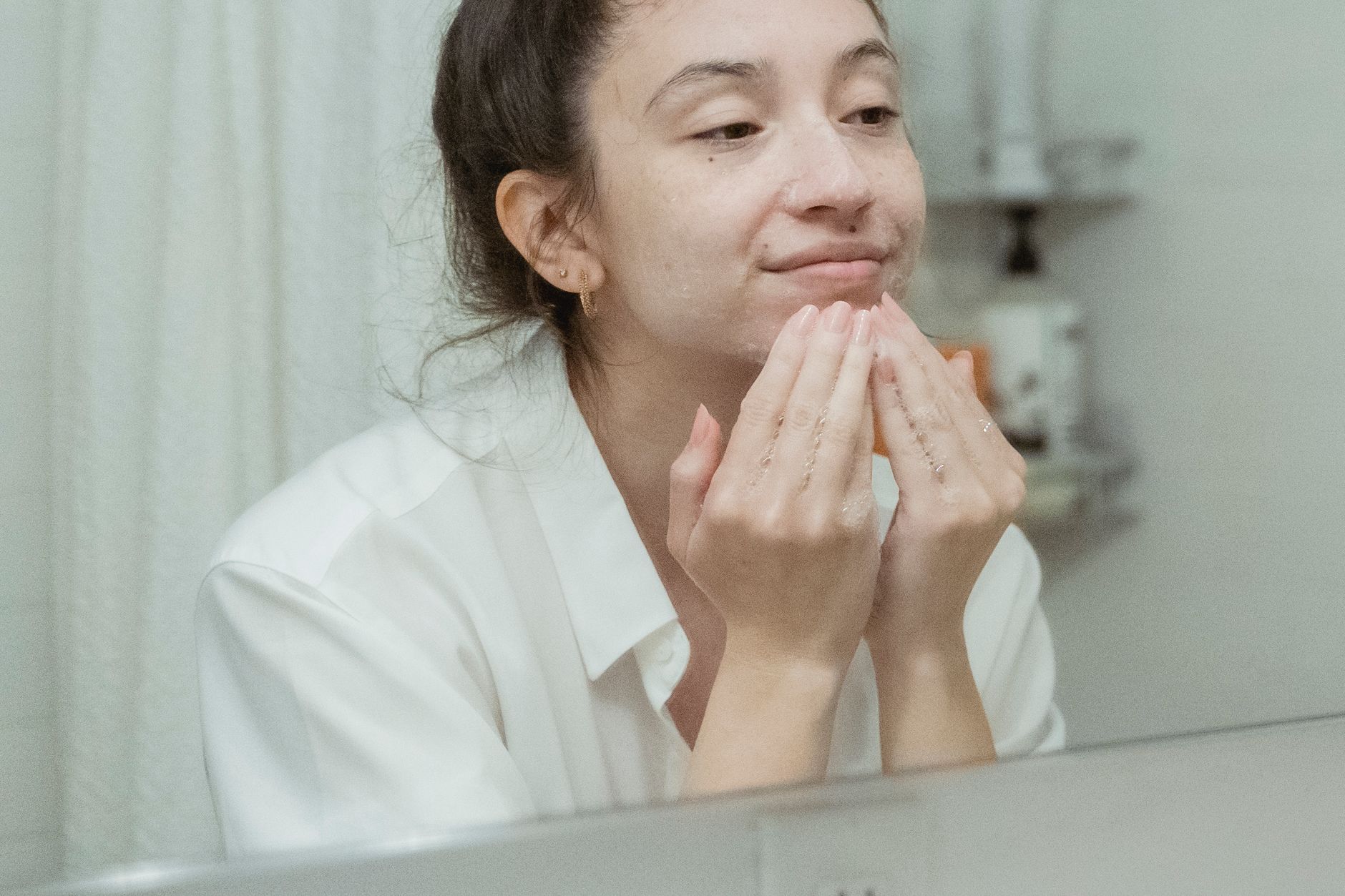
Pediatric Acne and Rosacea at the 2026 AAD Annual Meeting focused on early diagnosis and sorting true disease from look-alikes in children. The takeaway was direct: pediatric acne and rosacea differ from adult disease and need early, individualized care. The meeting was held March 27-31, 2026 in Denver as dermatology's comprehensive clinical and academic convergence, according to the American Academy of Dermatology meeting highlights. Pediatric dermatologist Dawn Eichenfield of Rady Children's Hospital-San Diego/UC San Diego presented the pediatric acne and rosacea update, according to the same American Academy of Dermatology news release.
Medical information disclaimer: This article is for general educational purposes only and does not provide medical advice, diagnosis, or treatment. Always consult a physician or other qualified health professional about symptoms, medications, tests, or treatment decisions.
Table of Contents
- What did AAD highlight for children?
- When should childhood acne worry parents?
- How do doctors separate acne from rosacea?
- What confuses diagnosis in babies and young children?
What did AAD highlight for children?
The program placed "Pediatric Acne and Rosacea" by Dawn Eichenfield in Hot Topics in Pediatric Dermatology. It also listed "Pediatric Acne: When to Worry" by Elizabeth Swanson in Acne and Rosacea. That placement matters for parents. It signals two separate decisions: is this acne or rosacea, and is this routine or worrisome.
Pediatric dermatology patients often need both answers at the same visit. Rosacea here means a facial redness disorder with flushing, lasting redness, bumps, visible vessels, or eye irritation. Acne means clogged pores plus inflamed bumps. The names sound distinct, but red cheeks with bumps can fit either one in a child.
When should childhood acne worry parents?
Mid-childhood acne from ages 1-7 is uncommon and worrisome. It should prompt a full skin and growth examination for secondary sexual characteristics and evaluation for excess androgen activity. Red flags deserve prompt pediatric care rather than watchful waiting with drugstore products.
Bring notes on growth speed, body odor, pubic or underarm hair, breast development, testicular growth, irregular periods in older children, and family puberty timing. Those causes to rule out come from clinical reviews of pediatric acne. Most childhood acne will not involve these conditions, but mid-childhood onset is the age window where doctors look hardest.
- Persistent, severe, treatment-resistant, or virilizing acne at ages 1-7
- Early puberty signs, rapid growth, or excess hair growth
- Possible premature adrenarche, congenital adrenal hyperplasia, Cushing syndrome, precocious puberty, or gonadal/adrenal tumor
- Need for pediatric endocrinology referral in selected cases
How do doctors separate acne from rosacea?
The most useful look-alike clue is comedones. Comedones are blackheads and whiteheads, the small plugged pores that start acne. Acne shows comedones. Pediatric rosacea shows flushing, persistent redness, and papules or pustules without comedones, plus telangiectasias and eye symptoms, according to the Dermatology Times review of childhood rosacea.
Telangiectasias are small visible blood vessels. Ocular symptoms can include eye redness, stinging, light sensitivity, or recurrent styes. Rosacea diagnosis rests on fixed central-face redness or phymatous change alone, or at least two major features: flushing, papules/pustules, telangiectasia, and ocular signs. That framework helps parents understand why a doctor checks eyes, asks about flushing triggers, and looks closely for blackheads.
What confuses diagnosis in babies and young children?
Neonatal cephalic pustulosis, often called neonatal acne, lacks comedones and reflects Malassezia-related inflammation. Infantile acne, usually at 2-4 months, is androgen-driven and includes comedones. That distinction changes the question parents should ask. For a newborn with red bumps but no blackheads or whiteheads, ask whether it fits neonatal pustulosis rather than true acne.
For a 2- to 4-month-old with blackheads or lasting inflamed bumps, ask about infantile acne follow-up. No internationally standardized pediatric rosacea criteria exist, so adult-derived systems can misclassify disease. In one retrospective study, reviewers excluded a presumed rosacea case after photos showed multiple comedones indicating acne. A clear photo record, symptom timeline, and eye review can reduce that error.
You Might Also Like
- Pediatric Acne and Rosacea at the 2026 AAD Annual Meeting: Questions Pediatric Dermatology Patients Can Ask a Dermatologist
- Pediatric Acne and Rosacea at the 2026 AAD Annual Meeting: What the Update Means for Pediatric Dermatology Patients
- Individualized Pediatric Acne Care Discussed at AAD 2026: Skin-Care Routine Questions for Parents of Children With Acne