
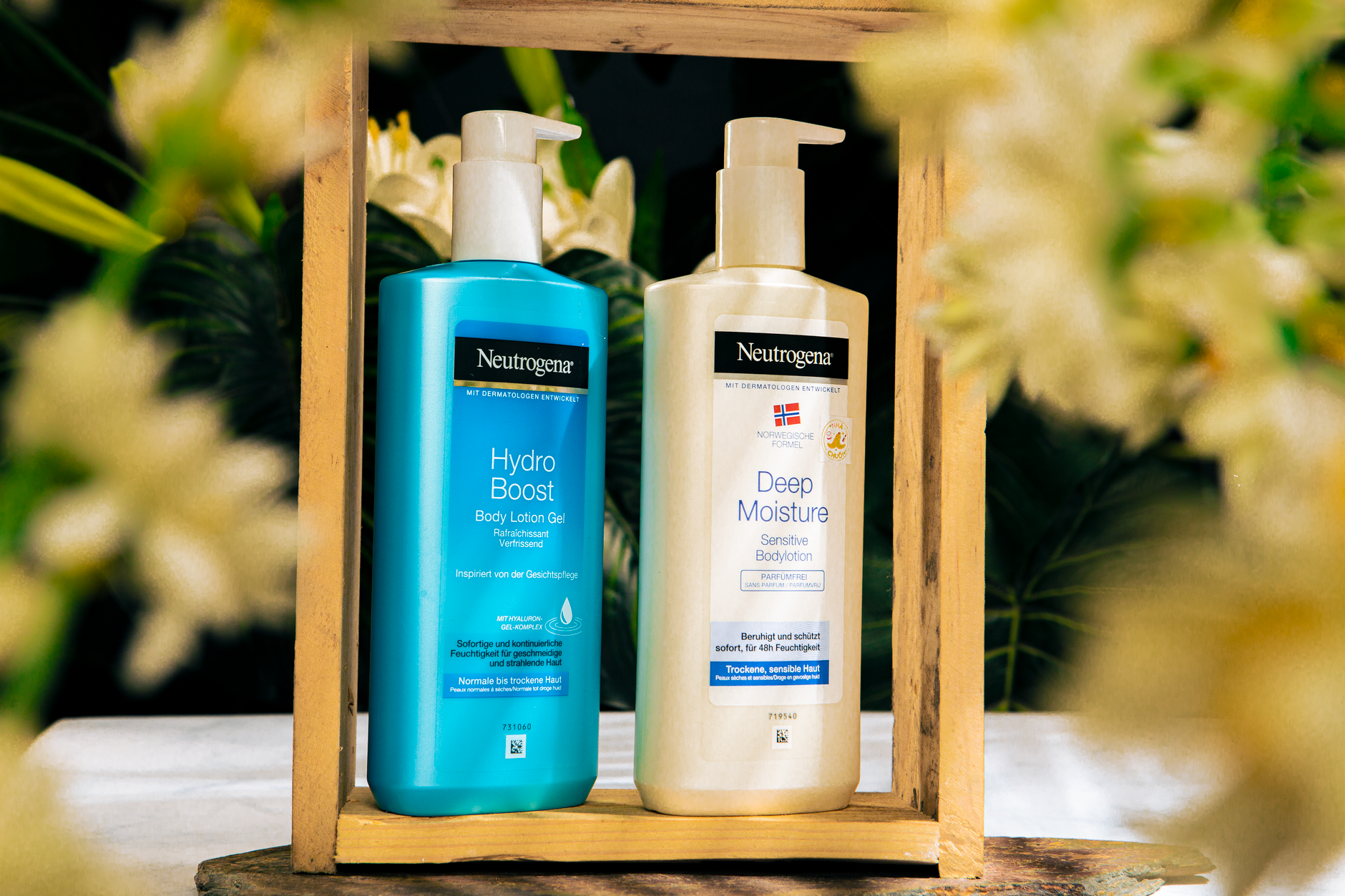
Neutrogena acne products are over-the-counter acne treatments that use benzoyl peroxide or salicylic acid. They can help mild breakouts when used as directed, but they can irritate skin and rarely cause severe reactions, so users need to follow label limits and know when to stop. This guide explains what is in two common products, how to use them with less irritation, and what safety findings mean. It also lists clear checks and next steps for daily use.
Medical information disclaimer: This article is for general educational purposes only and does not provide medical advice, diagnosis, or treatment. Always consult a physician or other qualified health professional about symptoms, medications, tests, or treatment decisions.
Table of Contents
- What is in these products?
- How do you use them with less irritation?
- When should you stop and seek care?
- What did benzene testing find?
- What should you do next?
What is in these products?
DailyMed of the National Library of Medicine states that Neutrogena Stubborn Acne AM Treatment contains 2.5% micronized benzoyl peroxide for topical treatment of acne, applied as a thin layer over affected areas the current label entry. That strength is lower than some prescription options, but it still acts directly on acne-prone areas. DailyMed of the National Library of Medicine states that Neutrogena Oil-Free Acne Wash Pink Grapefruit contains 2% salicylic acid for acne treatment the current wash label.
Its directions call for daily use by wetting the face, lathering, massaging gently, and rinsing thoroughly. The American Academy of Dermatology updated acne guidance strongly recommends topical benzoyl peroxide, retinoids, antibiotics, and fixed combinations. It advises combination therapy and sparing antibiotic use to improve results and limit resistance.
How do you use them with less irritation?
Benzoyl peroxide labeling warns of redness, burning, peeling, and dryness, plus bleaching of hair or dyed fabrics. DailyMed labeling advises starting once daily, avoiding eyes and lips, and using sunscreen during outdoor exposure.
If dryness or peeling starts, reduce use to once daily or every other day. Labels also advise storing the product at 20–25°C and stopping or asking a doctor if irritation becomes severe.
- Apply only a thin layer over affected areas, not a thick spot layer.
- Keep product away from eyes, lips, towels, pillowcases, and colored clothing.
- Use sunscreen outdoors during treatment days.
- Cut back frequency at the first sign of dryness or peeling.
When should you stop and seek care?
Most irritation is mild and improves after cutting back use. Severe, spreading, painful, or blistering irritation is different and needs prompt medical advice.
The FDA warned in June 2014 that benzoyl peroxide or salicylic acid acne products can rarely cause serious hypersensitivity or severe irritation. A Medsafe summary of that FDA safety communication tells users to stop use and seek emergency care for throat tightness, breathing difficulty, faintness, or swelling of the face or lips.
- Throat tightness or trouble breathing
- Faintness or feeling very unwell after application
- Swelling of face, lips, or tongue
- Severe burning, blistering, or rapidly spreading redness
What did benzene testing find?
The FDA reported in March 2025 that testing of 95 benzoyl peroxide acne products found more than 90% with undetectable or extremely low benzene the FDA testing update. Six products had elevated levels, and makers agreed to voluntary recalls at retail level.
The same FDA benzene information states that even decades of daily use of the recalled products carries very low cancer risk. It also notes that long-term benzene exposure can reduce blood-cell formation and cause leukemia or blood disorders, which is why elevated lots were removed.
What should you do next?
Check the exact product name and lot against any recall notice before continued use. Do not assume every Neutrogena acne product is affected because one lot or brand was listed.
Keep daily use simple and steady rather than increasing amount or frequency during a breakout. Persistent acne, severe irritation, or signs of allergy deserve a clinician visit for a stronger plan or a different combination.
- Verify product name and lot if a recall is announced.
- Store at 20–25°C and check the label expiration.
- Use the smallest effective amount on schedule.
- Seek care for severe irritation or acne that does not improve.