
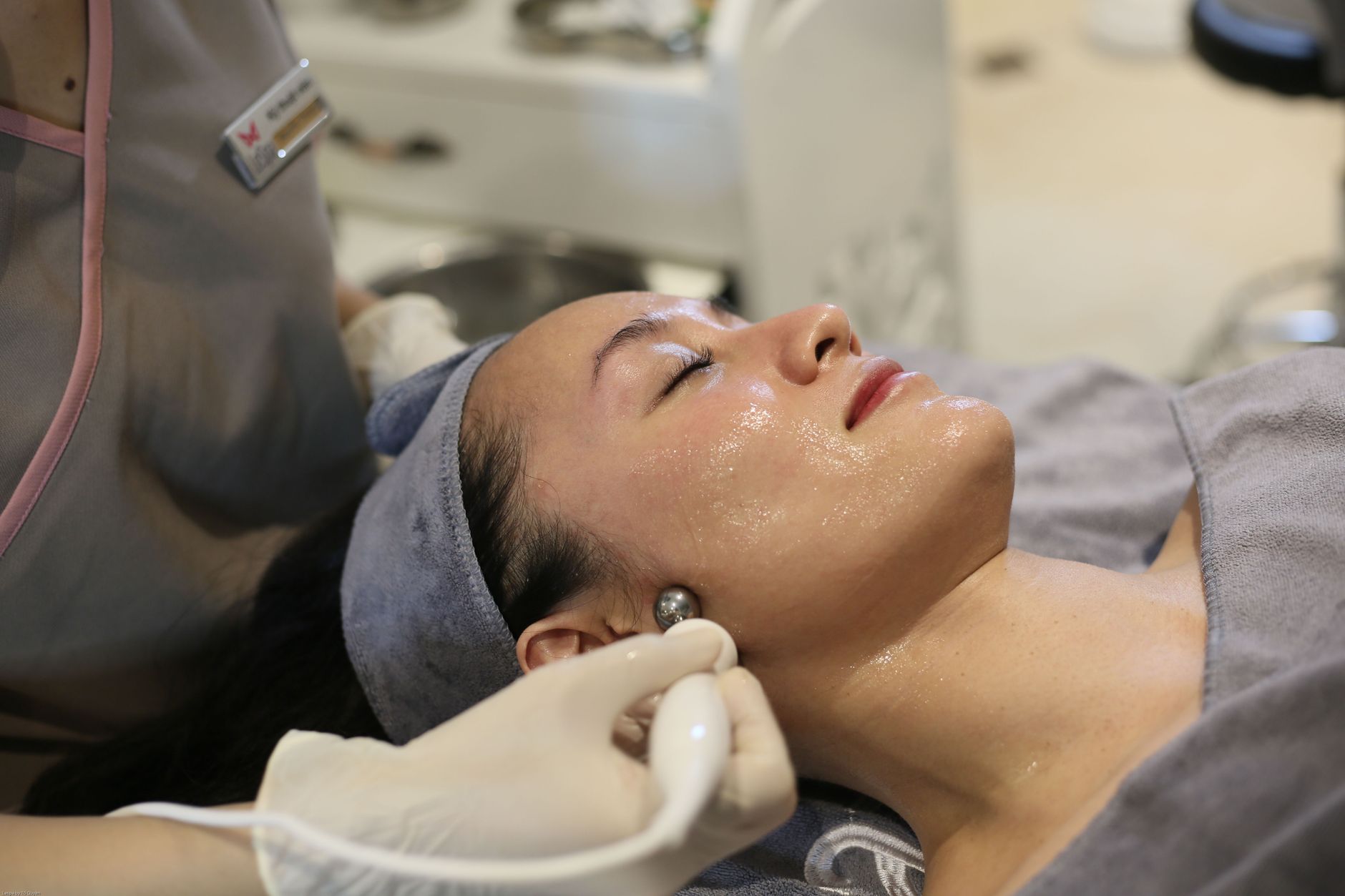
Adults with persistent acne can compare microneedle radiofrequency with low-dose isotretinoin by weighing active-lesion control, scar improvement, treatment timing, and pregnancy safeguards. Persistent acne means lesions that began in adolescence and continue past age 25, while fractional microneedle radiofrequency delivers insulated needles plus heat into the dermis and low-dose isotretinoin means about 0.1-0.5 mg/kg/day. A Clinical, Cosmetic and Investigational Dermatology review reports most adult cases are persistent rather than late-onset, with about 12% of women and 3% of men over 25 having clinical facial acne the 2018 clinical review. That pattern makes combined lesion-plus-scar treatment relevant for adults who still break out and already have pitted marks.
Medical information disclaimer: This article is for general educational purposes only and does not provide medical advice, diagnosis, or treatment. Always consult a physician or other qualified health professional about symptoms, medications, tests, or treatment decisions.
Table of Contents
- Who fits the persistent-acne profile?
- How do heat, needles, and a low drug dose work together?
- Do you need to delay energy treatment while on isotretinoin?
- How does the combination compare with standard options?
- What should you check before starting?
Who fits the persistent-acne profile?
You fit this group if teenage breakouts never fully cleared and inflammatory papules, pustules, blackheads, or tender nodules still appear after 25. Many adults also carry shallow boxcar scars, icepick pits, or uneven texture from earlier flare-ups. Oiliness often persists in the T-zone, and picking or friction can leave dark marks that fade slowly.
This history matters because treatment choice changes when both active acne and scars are present. A product that only dries surface pimples will not remodel scarred collagen. A scar procedure that aggravates active lesions can also prolong redness and downtime.
How do heat, needles, and a low drug dose work together?
Fractional microneedle radiofrequency places tiny insulated needles into the dermis, then releases heat to injure sebaceous glands, reduce sebum output, and stimulate collagen remodeling for inflammatory lesions and atrophic scars, as described in a Lasers in Surgery and Medicine study report the 2013 study report. Low-dose isotretinoin works systemically to calm persistent or moderate acne while using less drug per kilogram. The EuroGuiDerm evidence-based acne guideline update notes this 0.1-0.5 mg/kg/day range can clear moderate or persistent mild acne with fewer dose-dependent mucocutaneous effects, although relapse may rise without extended or maintenance therapy.
An 18-patient Korean study found fractionated microneedle radiofrequency improved inflammatory acne and related scars without worsening active lesions. That result supports treatment during active breakouts under medical supervision, rather than waiting for completely clear skin. Together, the approaches target oil glands, inflammation, bacteria-prone pores, and scarred dermis from different directions.
Do you need to delay energy treatment while on isotretinoin?
No long automatic delay is now the default assumption for this pairing. A prospective randomized split-face trial found concurrent low-dose isotretinoin plus fractional radiofrequency was safe and produced better acne-scar improvement at 6 months after stopping isotretinoin than delaying radiofrequency until afterward, according to Dermatology Times the June 2024 trial report. The advantage was visible after the drug course ended, not only during treatment.
A systematic safety review also lists fractional radiofrequency microneedling, fractional laser for scars, laser hair removal, superficial peels, and dermaroller procedures as not requiring a 6-month isotretinoin washout. Your clinic may still spacing sessions around dryness, sun exposure, retinoid dermatitis, or healing capacity. Ask whether your dose, device settings, and interval match the concurrent protocol studied.
How does the combination compare with standard options?
The American Academy of Dermatology's 2024 acne guidelines strongly recommend topical benzoyl peroxide, retinoids, topical antibiotics and combinations, oral doxycycline, and oral isotretinoin for severe acne, with conditional roles for clascoterone, hormonal therapy, and other oral antibiotics. Those first-line options mainly aim at pimples, bacteria, inflammation, hormones, and clogged pores. They do not directly rebuild pitted scar tissue.
Use the combination when scars bother you as much as breakouts, when moderate acne persists despite topical care, or when full-dose isotretinoin causes too much dryness. Choose topical-plus-antibiotic or hormonal care when lesions dominate, scars are minimal, or procedures are unaffordable or unavailable. Remember that low-dose isotretinoin alone carries higher relapse risk without an extended course or maintenance plan.
What should you check before starting?
Bring a full breakout, scar, pregnancy, and medication history to the dermatology visit. Review sun habits, keloid tendency, herpes simplex history, recent peels or lasers, and how your skin handles retinoids.
- Pregnancy status and contraception: isotretinoin is highly teratogenic, and US patients must use the FDA-mandated iPLEDGE REMS with prescriber, pharmacy, and patient enrollment, contraception, and monthly pregnancy testing and follow-up the iPLEDGE program site
- Active disease map: number of inflamed lesions, nodule tendency, and picking behavior
- Scar map: icepick, boxcar, rolling, discoloration, or mixed texture
- Tolerance plan: lip dryness, nasal dryness, eye dryness, sun sensitivity, and blood-test schedule
- Maintenance plan: topical retinoid, benzoyl peroxide, or low intermittent dosing after the course
You Might Also Like
- Low-Dose Isotretinoin Side Effects in the 2026 Fish Oil Trial: How Adults With Persistent Acne Can Compare Treatment Options
- Fish Oil With Low-Dose Isotretinoin in a 2026 Randomized Trial: How Adults With Persistent Acne Can Compare Treatment Options
- Concurrent Acne Procedures and Isotretinoin in 2026 Research: Safety and Monitoring Questions for Adults With Persistent Acne