
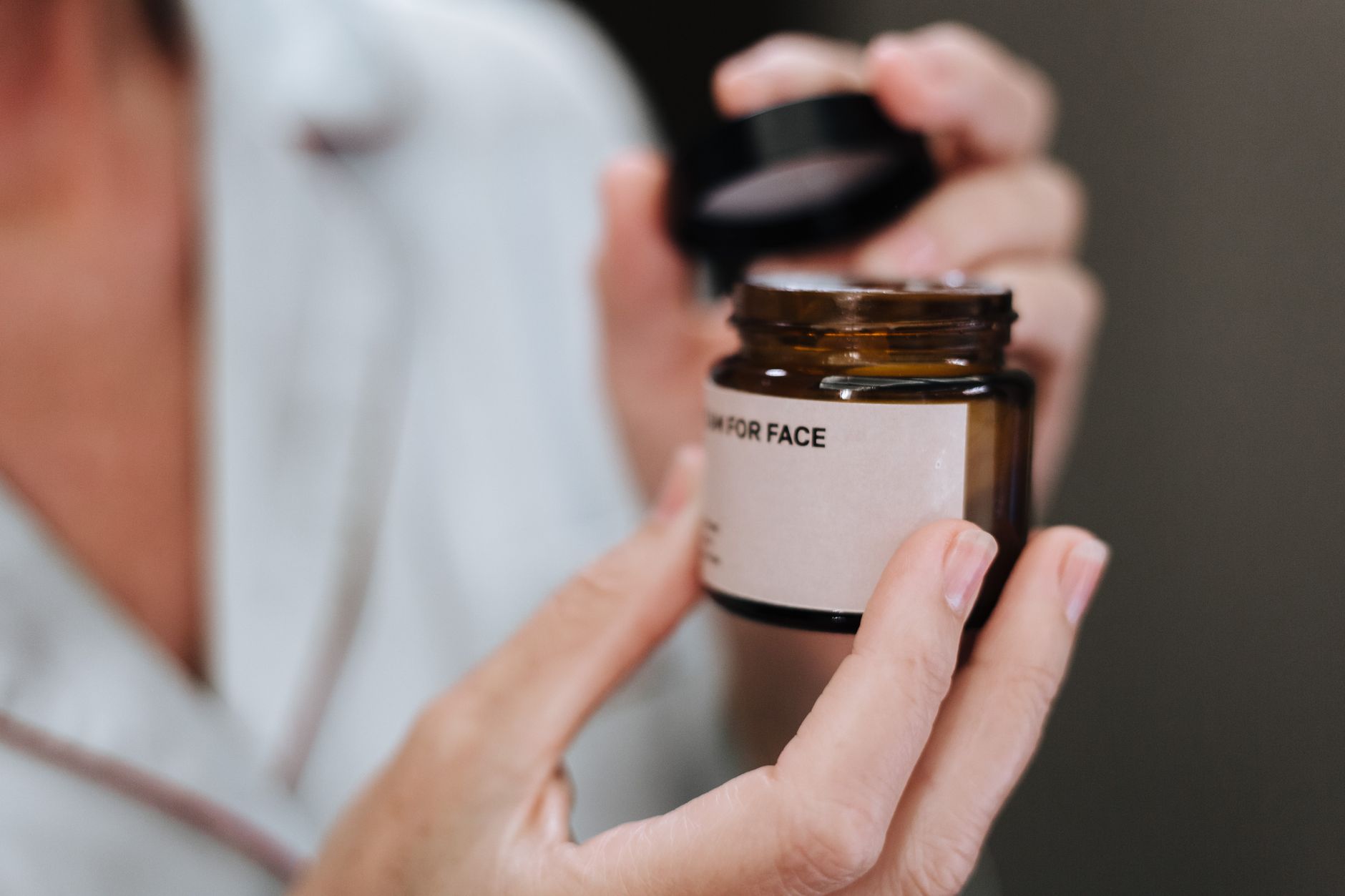
Microbiome-friendly acne care means clearing breakouts while protecting helpful microbes that live on skin. In 2026 researchers focused on which bacterial strains to target, when probiotics might work best, and how environment and treatment shift the skin community. The skin microbiome is the community of bacteria and other microbes living on skin. For acne-prone skin, the key issue is balance between acne-linked and commensal strains, not removing all bacteria.
Medical information disclaimer: This article is for general educational purposes only and does not provide medical advice, diagnosis, or treatment. Always consult a physician or other qualified health professional about symptoms, medications, tests, or treatment decisions.
Table of Contents
- Which strains matter for breakouts?
- When could probiotic care work best?
- Does environment change acne skin microbes?
- How can treatment clear acne and spare good microbes?
- Frequently Asked Questions
Which strains matter for breakouts?
Cutibacterium acnes includes both acne-linked and commensal phylotypes. Researchers need tools that separate phylotype IA from commensal IB and II strains in routine skin-strip samples. A May 2026 methods paper in Frontiers in Cellular and Infection Microbiology introduced UMI-guided single-locus sequence typing to phylotype C. acnes directly from skin strips.
That approach addresses strain-level testing without culture. Better phylotyping helps explain why total C. acnes counts alone do not predict breakouts. Treatment decisions can then focus on harmful lineages while sparing commensal ones.
When could probiotic care work best?
Facial skin hosts multiple lineages of key bacteria at once. MIT News reported that volunteers carried up to 11 lineages each of C. acnes and Staphylococcus epidermidis, with 89 and 78 lineages total across people, in the MIT News facial-bacteria study. Populations were more dynamic than previously thought.
The findings point to early teens as a possible window for probiotic intervention, when strains are still establishing. An at-home study tested live C. acnes subsp. defendens strain XYCM42 plus ferment in acne-prone volunteers. The PubMed summary of the Journal of Clinical and Aesthetic Dermatology study reported no adverse events and called the regimen safe and appropriate, supporting a commensal role without proving acne clearance.
Does environment change acne skin microbes?
Rural and urban acne skin differ in diversity. A June 2026 Egyptian cohort study in Frontiers in Cellular and Infection Microbiology found higher Faith's phylogenetic and Shannon diversity in rural acne skin than urban acne skin, as detailed in the Frontiers in Cellular and Infection Microbiology rural-urban study. Rural samples had lower relative C. acnes abundance, likely from interspecies competition.
Urban skin showed a more C. acnes-dominated pattern. That contrast limits one-size-fits-all microbiome claims. Products tested in one setting may behave differently where pollution, humidity, outdoor exposure, and cleansing habits differ.
How can treatment clear acne and spare good microbes?
Current guidance still relies on curbing C. acnes and resistance. American Academy of Dermatology guidance strongly recommends benzoyl peroxide and pairing oral or topical antibiotics with benzoyl peroxide, while narrow-spectrum sarecycline might reduce off-target effects without comparative trials against doxycycline.
Phage-derived endolysins offer a more selective idea. The Antibiotics scoping review found the N-terminal domain of CAP10-3 selectively killed C. acnes in laboratory tests with no reported resistance, while listing formulation, skin penetration, and clinical-trial validation as remaining barriers. For daily care, readers with acne-prone skin can protect the microbiome while following proven treatment:.
- Use prescription antibiotics exactly as directed, paired with benzoyl peroxide when prescribed
- Ask a clinician about resistance, duration, and narrow-spectrum options
- Add probiotics, diet changes, or live-microbe products only as a personal trial, since Dermatology Times reporting in 2026 notes lower gut diversity in acne, modest lesion reduction from probiotics especially with antibiotics, and no defined optimal microbiome
Frequently Asked Questions
Should I stop benzoyl peroxide or antibiotics to protect skin microbes?
Do not stop prescribed treatment on your own. Ask your clinician how pairing, duration, and follow-up care affect both clearance and resistance.
Do probiotics or diet changes clear acne by fixing the gut microbiome?
Probiotics can modestly reduce inflammatory lesions, especially alongside antibiotics, but no optimal gut or skin profile exists and results vary by person.
You Might Also Like
- Microbiome-Friendly Acne Care Questions Raised in 2026: Why the Findings May Not Change Acne Care Yet for People With Acne-Prone Skin
- Microbiome-Friendly Acne Care Questions Raised in 2026: A Source-Checked 2026 Briefing for People With Acne-Prone Skin
- Skin Microbiome Outcomes in the 2026 Probiotic Acne Review: Evidence Limits and Open Questions for People With Acne-Prone Skin