
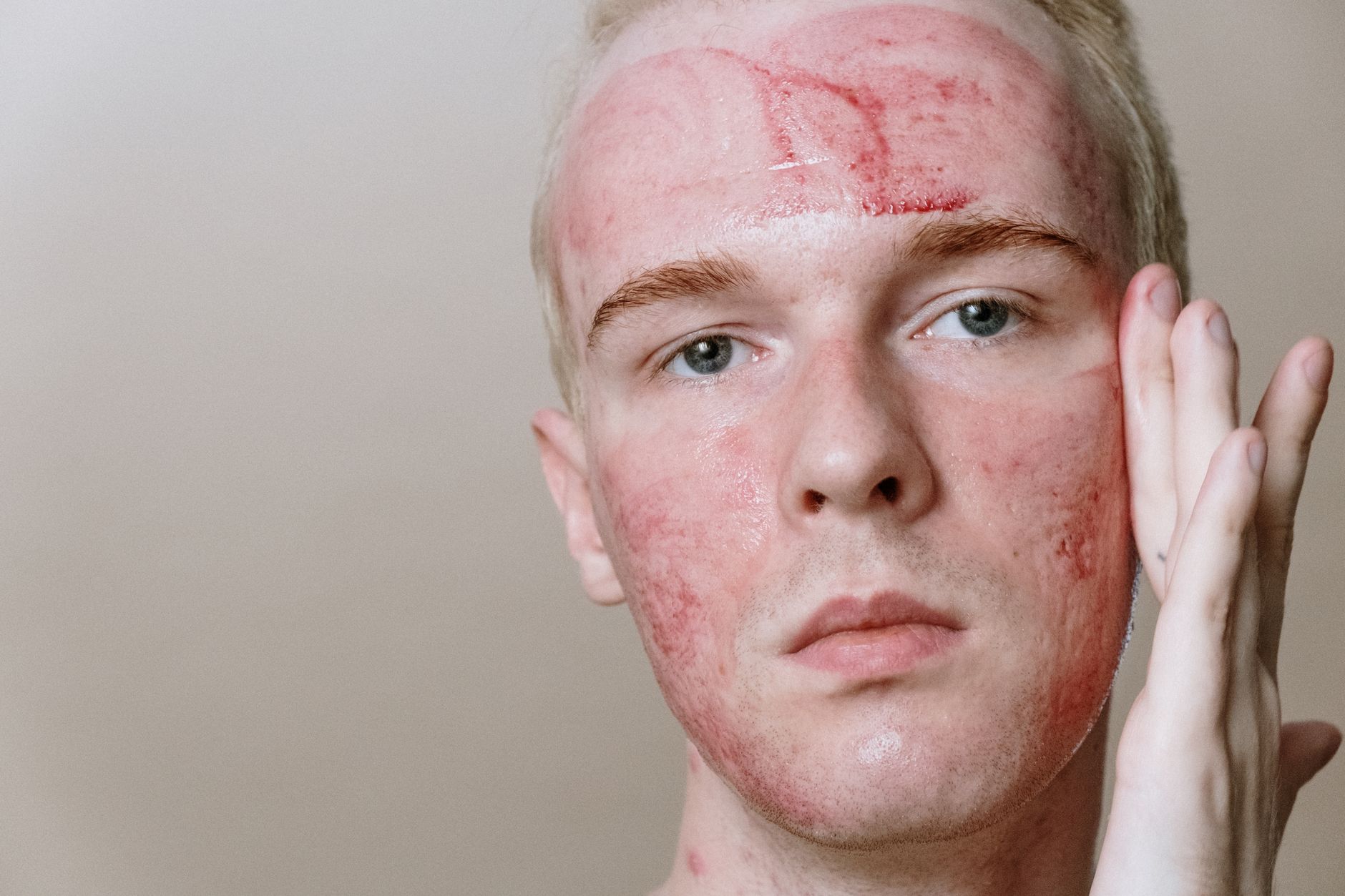
Hormonal acne is acne driven by shifts in androgens like testosterone and DHT. It mainly affects adults ages 20-50, most often women, and usually needs targeted treatment rather than waiting. Androgens stimulate oil glands to make excess sebum. That oil mixes with dead skin and bacteria, clogs pores, and forms deep, tender breakouts.
Medical information disclaimer: This article is for general educational purposes only and does not provide medical advice, diagnosis, or treatment. Always consult a physician or other qualified health professional about symptoms, medications, tests, or treatment decisions.
Table of Contents
- Who gets hormonal acne?
- Why do hormones trigger breakouts?
- How can you recognize the pattern?
- Which treatments have guideline support?
- Why are blood tests often normal?
- Frequently Asked Questions
Who gets hormonal acne?
Adults ages 20-50 develop it most often, especially women during menstrual cycles, pregnancy, and menopause. Cleveland Clinic explains this pattern in its Cleveland Clinic patient guide. Men can also develop it when testosterone levels shift.
Persistent adult female acne can signal excess androgen activity. PCOS and related high-androgen states raise the risk of lasting, hard-to-treat cases. Clinicians consider PCOS when acne starts early, starts late, returns after isotretinoin, or resists standard care.
Why do hormones trigger breakouts?
An NIH review describes androgens as drivers of sebum production in the skin. The review links testosterone and DHT to larger, more active sebaceous glands in its NIH sebum and acne review. More sebum means more clogged pores.
Increased sebum from androgen activity is viewed as a precondition for acne. Dead cells and bacteria then become trapped in the sticky mix. The result is inflammation deep around the gland.
How can you recognize the pattern?
Lower-face breakouts point toward hormones. Chin, jawline, and skin around the mouth are common sites, along with chest and back. Flares often arrive a few days before a period.
Stopping birth control can trigger a flare. Menopause is another common trigger period. The cycle repeats monthly for many women, which separates it from one-time irritation.
Which treatments have guideline support?
The American Academy of Dermatology's 2024 acne guidelines strongly recommend benzoyl peroxide, topical retinoids, and combinations for acne generally. The Academy conditionally recommends combined oral contraceptives, spironolactone, and topical clascoterone 1% for suitable patients, as summarized in this AAD 2024 guideline summary. Practical care focuses on steady control: Harvard Health advises against waiting for hormonal acne to clear alone and notes dermatologists can control most cases, described in its Harvard adult acne guide.
- use a retinoid or benzoyl peroxide base as directed for general acne
- ask about cycle regulation when flares follow menstruation
- ask about spironolactone when testosterone effects appear dominant
- seek in-office care when spots are deep, painful, or scarring
Why are blood tests often normal?
Many women with adult acne have normal blood hormone levels. Excess androgen activity often happens locally inside sebaceous glands.
Routine labs therefore miss the skin-level process except when PCOS is present. A normal result does not rule out hormonal acne. Track timing, location, birth-control changes, and treatment response for the visit.
Frequently Asked Questions
Can birth control changes cause a breakout?
Yes. Stopping birth control is a recognized trigger, and cycle-linked flares often improve when hormones are steadied under medical care.
Does normal lab work mean acne is not hormonal?
No. Local androgen activity in oil glands can drive acne while blood levels stay normal.
When should PCOS be considered?
Consider evaluation for early, late, relapsing, or treatment-resistant adult female acne, especially with other signs of excess androgens.