
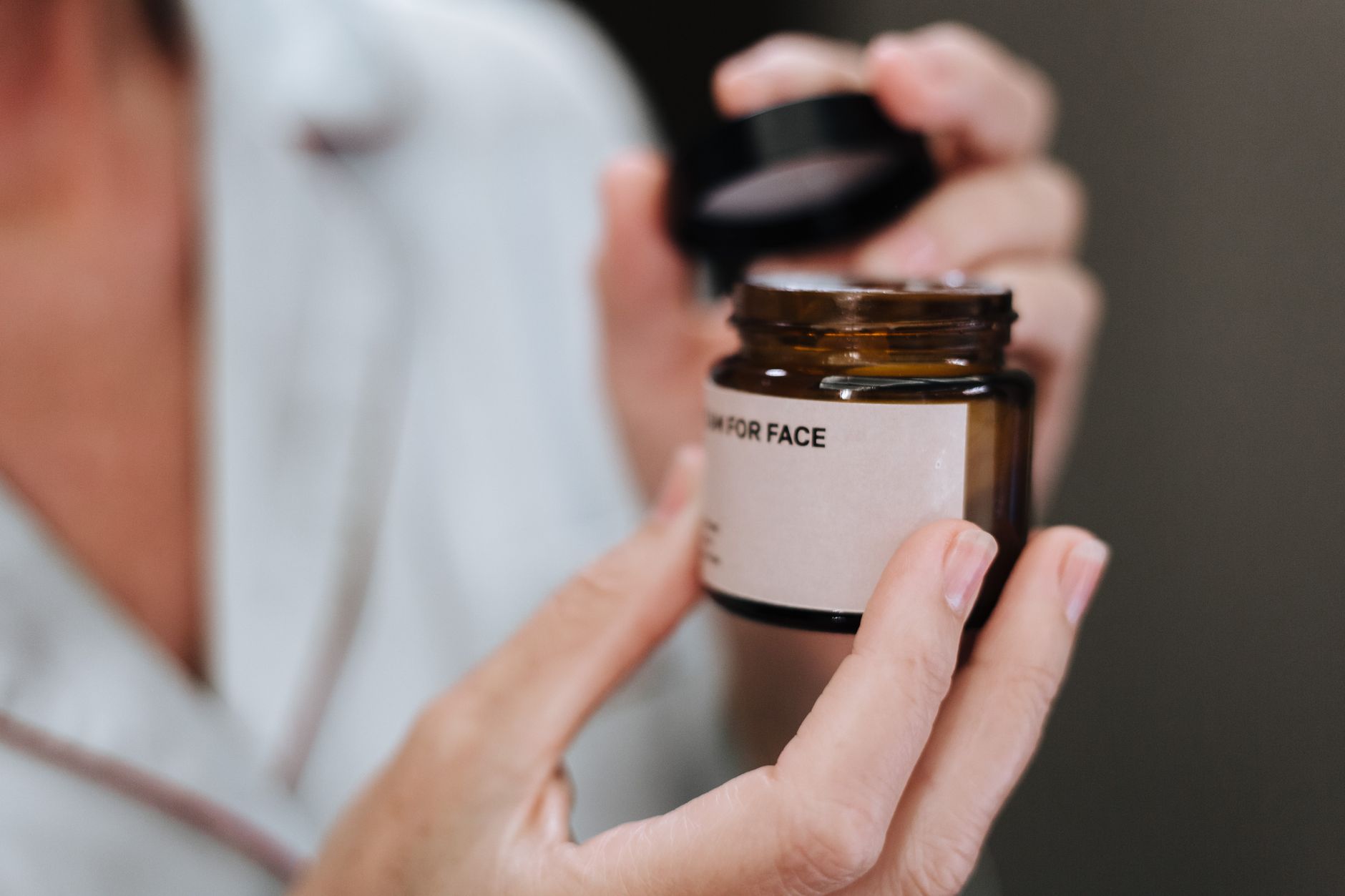
People using topical antibiotics can avoid microbiome hype by staying with guideline-based combinations and planned maintenance, not added probiotic skincare. Microbiome-friendly means a product claimed to protect or balance skin microbes, but the term has no fixed medical meaning. Prescription antibiotics still work for acne, yet resistance and marketing noise create confusion. The practical answer is clearer treatment rules, shorter antibiotic courses, and skepticism toward labels that promise flora repair.
Medical information disclaimer: This article is for general educational purposes only and does not provide medical advice, diagnosis, or treatment. Always consult a physician or other qualified health professional about symptoms, medications, tests, or treatment decisions.
Table of Contents
- Why topical antibiotics need a partner
- How long should antibiotics last
- What dysbiosis means for acne-prone skin
- Why microbiome-friendly labels mislead
- What to do while using a topical antibiotic
Why topical antibiotics need a partner
Topical antibiotics kill acne-linked bacteria but also pressure harmless skin residents. At least 30% of S. epidermidis isolates from acne patients were erythromycin and clindamycin resistant, and 12 weeks of topical erythromycin alone left tolerant S. epidermidis predominant, according to an Amir and colleagues review. That is why the American Academy of Dermatology recommends combining topical and oral antibiotics with benzoyl peroxide to prevent resistance and limiting oral antibiotic use when possible, as described in the updated acne guidelines.
Benzoyl peroxide lowers the chance that resistant mutants survive. Laboratory support is direct. In testing of 31 C. acnes strains, clindamycin alone produced resistant mutants at about 8 in 100 million cells, while clindamycin plus benzoyl peroxide produced none, according to a 2025 PubMed-indexed study in the resistance-frequency report. Combination treatment suppresses emergence of resistance.
How long should antibiotics last
The University of Southampton summary of NICE guideline NG198 advises a 12-week course of combination therapy. It bans topical or oral antibiotic monotherapy, requires review at 12 weeks, and limits antibiotic-containing regimens beyond six months. Review is a decision point, not a refill visit.
A prescriber checks clearance, irritation, adherence, and resistance risk. Continuing the same antibiotic because skin looks better can extend exposure without added benefit. After antibiotics clear acne, NICE recommends maintenance with topical adapalene, azelaic acid, benzoyl peroxide, or adapalene plus benzoyl peroxide rather than continued antibiotics, as reported by Medical Bag. Maintenance keeps pores clearer and reduces relapse pressure.
What dysbiosis means for acne-prone skin
Dysbiosis means a shift in the microbial community, not one bad germ taking over. Facial metagenomics in 19 moderate-acne patients versus 20 healthy controls found reduced microbial diversity and higher Staphylococcus, especially S. epidermidis, according to Microorganisms/MDPI researchers in the diversity comparison. C.
acnes abundance did not differ between groups in that study. The pattern supports dysbiosis over a single-pathogen model. Acne involves balance, oil, follicle blockage, and inflammation together. For treatment, this matters because killing more bacteria is not the goal. A short, combined antibiotic course plus retinoid or benzoyl peroxide maintenance addresses blockage and bacterial load while limiting long drug exposure.
Why microbiome-friendly labels mislead
There are no specific global regulations for microbiome-targeting skincare, according to the MyMicrobiome Certification FAQ. Products must meet standard cosmetics safety and claims rules, with terminology surveyed by the International Cooperation on Cosmetics Regulation in 2021. Sequential's CEO said microbiome-friendly is so watered down by noise that his testing firm avoids it, warning that weak oversight raises the risk of misleading buyers of acne or sensitive-skin products, as reported by Cosmetics Design Europe.
A vague seal does not prove testing, live organisms, or acne benefit. A dermatology review in Practical Dermatology also cautions that cosmeceuticals advertised as topical probiotics often contain no live bacteria. People on prescription topical antibiotics should not assume an over-the-counter probiotic restores flora or replaces guideline-based benzoyl peroxide and retinoid combinations.
What to do while using a topical antibiotic
Use the prescription exactly as a combination, not as a single active. Many regimens pair clindamycin with benzoyl peroxide in the morning or add adapalene separately.
Do not add another antibiotic cream from the drugstore. Bring all acne products to the follow-up visit. Ask the prescriber to write the maintenance step before the antibiotic course ends.
- Ask when to stop: confirm the 12-week review date at the first visit.
- Ask about maintenance: name adapalene, azelaic acid, or benzoyl peroxide options.
- Treat marketing as marketing: ignore live-bacteria, balance, and flora-repair promises without drug evidence.
- Watch for warning signs: spreading redness, severe burning, swelling, or no improvement by review.
You Might Also Like
- Microbiome-Friendly Acne Care Questions Raised in 2026: Questions People Using Topical Antibiotics Can Ask a Dermatologist
- Microbiome-Friendly Acne Care Questions Raised in 2026: Product-Claim Questions for People Using Topical Antibiotics
- Microbiome-Friendly Acne Care Questions Raised in 2026: Evidence Limits and Open Questions for People Using Topical Antibiotics