
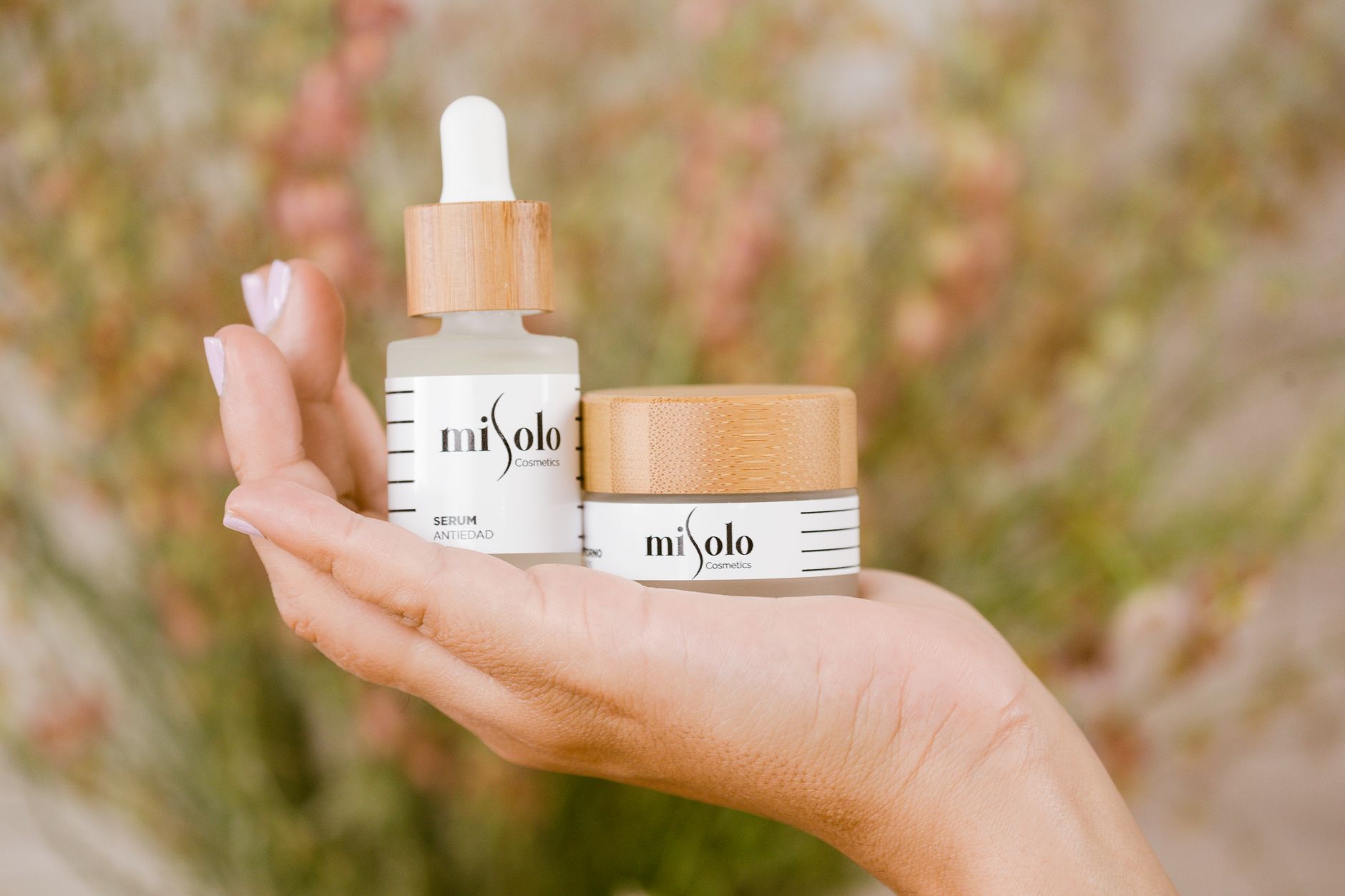
People using prescription topical antibiotics in 2026 want to know if microbiome-friendly moisturizers and cleansers protect skin bacteria during treatment. The answer is narrow: microbiome-friendly means a finished formula did not disrupt test microbes in laboratory cultures, not that it blocks antibiotic effects on skin.
This matters for people prescribed clindamycin or erythromycin creams. The American Academy of Dermatology still strongly recommends those drugs for acne, but advises against topical antibiotic treatment alone, as described in the American Academy of Dermatology guidelines via Newswise. Combination use changes how extra skin-care claims should be read.
Medical information disclaimer: This article is for general educational purposes only and does not provide medical advice, diagnosis, or treatment. Always consult a physician or other qualified health professional about symptoms, medications, tests, or treatment decisions.
Table of Contents
- What does a microbiome-friendly seal actually test?
- Why must topical antibiotics be paired, not used alone?
- What proof sits behind postbiotic-powered promises?
- How should you add a new product during prescription treatment?
What does a microbiome-friendly seal actually test?
MyMicrobiome is an independent certifier for cosmetics. It uses standardized animal-free laboratory assays with co-cultures of up to seven bacterial and fungal strains. The goal is to measure effects on microbial diversity and balance, as described in the MyMicrobiome testing FAQ.
Under MyMicrobiome's methods standard, a passing result means the formula did not disrupt those test microbes in a dish. It does not show protection during concurrent prescription topical-antibiotic use. Ask whether the brand has finished-product clinical data and clear instructions for antibiotic users.
Why must topical antibiotics be paired, not used alone?
Clindamycin and erythromycin creams kill Cutibacterium acnes by blocking the 50S ribosome. The Molecules review reports selective pressure can favor resistant C. acnes, Staphylococcus and Streptococcus strains, with erythromycin resistance near 60%. The review advises short-term use for about 12 weeks, never alone. The American Academy of Dermatology advises combining treatments for better results rather than topical antibiotic treatment alone.
A practical summary of the Academy guidance states that topical and oral antibiotics should be used at the same time as benzoyl peroxide to limit resistance. It also advises limiting antibiotic duration and shifting maintenance to retinoids with or without benzoyl peroxide. Pairing lowers the chance that acne bacteria survive and spread resistance. It also sets a stop point, with a retinoid-based maintenance plan after the antibiotic course. Ask your prescriber how long your combination should last and what replaces the antibiotic.
What proof sits behind postbiotic-powered promises?
Health-benefit advertising claims include phrases such as microbiome-friendly or postbiotic-powered. The Federal Trade Commission requires prior competent and reliable scientific evidence for such claims, as set out in its health-products compliance guidance. That evidence generally means high-quality randomized controlled human trials on the finished product. Borrowed general science about probiotics or the microbiome is not enough.
Ask for the trial on the exact cleanser or cream, not a key ingredient. A front label can highlight one soothing ingredient while the proof question concerns the whole tube. Check whether the brand names the finished-product study, the skin type studied, and use with prescription drugs. Vague wording without study details is a reason to pause.
How should you add a new product during prescription treatment?
The U.S. Food and Drug Administration tested 95 benzoyl-peroxide acne products in 2025. More than 90% had undetectable or extremely low benzene, with only a limited number recalled at retail. Benzene can form as benzoyl peroxide degrades with heat or storage, so keep products away from heat and follow storage directions. Microbiome-sparing is a drug-specific tested property.
Sarecycline was approved by FDA in 2018 for moderate-to-severe acne from age 9. Mechanism studies reported by PNAS/PMC and the University of Illinois describe it as narrow-spectrum against C. acnes. It showed about 16- to 32-fold less activity against gut aerobic Gram-negative bacilli. Gentle marketing alone does not establish the same property for a cosmetic. Use these checks before you layer a new product over a prescription: Bring the prescription tube and the new product label to your visit and confirm order, frequency, storage, and stop date.
- Ask your prescriber about order, wait time, frequency, and stop date for the antibiotic, benzoyl peroxide, and retinoid.
- Ask the brand for the finished-product trial and written directions for prescription-antibiotic users.
- Stop the new product and contact your prescriber for spreading redness, swelling, pain, or acne that worsens after 12 weeks.
You Might Also Like
- Microbiome-Friendly Acne Care Questions Raised in 2026: What the Research Means for People Using Topical Antibiotics
- Microbiome-Friendly Acne Care Questions Raised in 2026: Evidence Limits and Open Questions for People Using Topical Antibiotics
- Microbiome-Friendly Acne Care Questions Raised in 2026: What Researchers Still Need to Learn for People Comparing Acne Supplements