
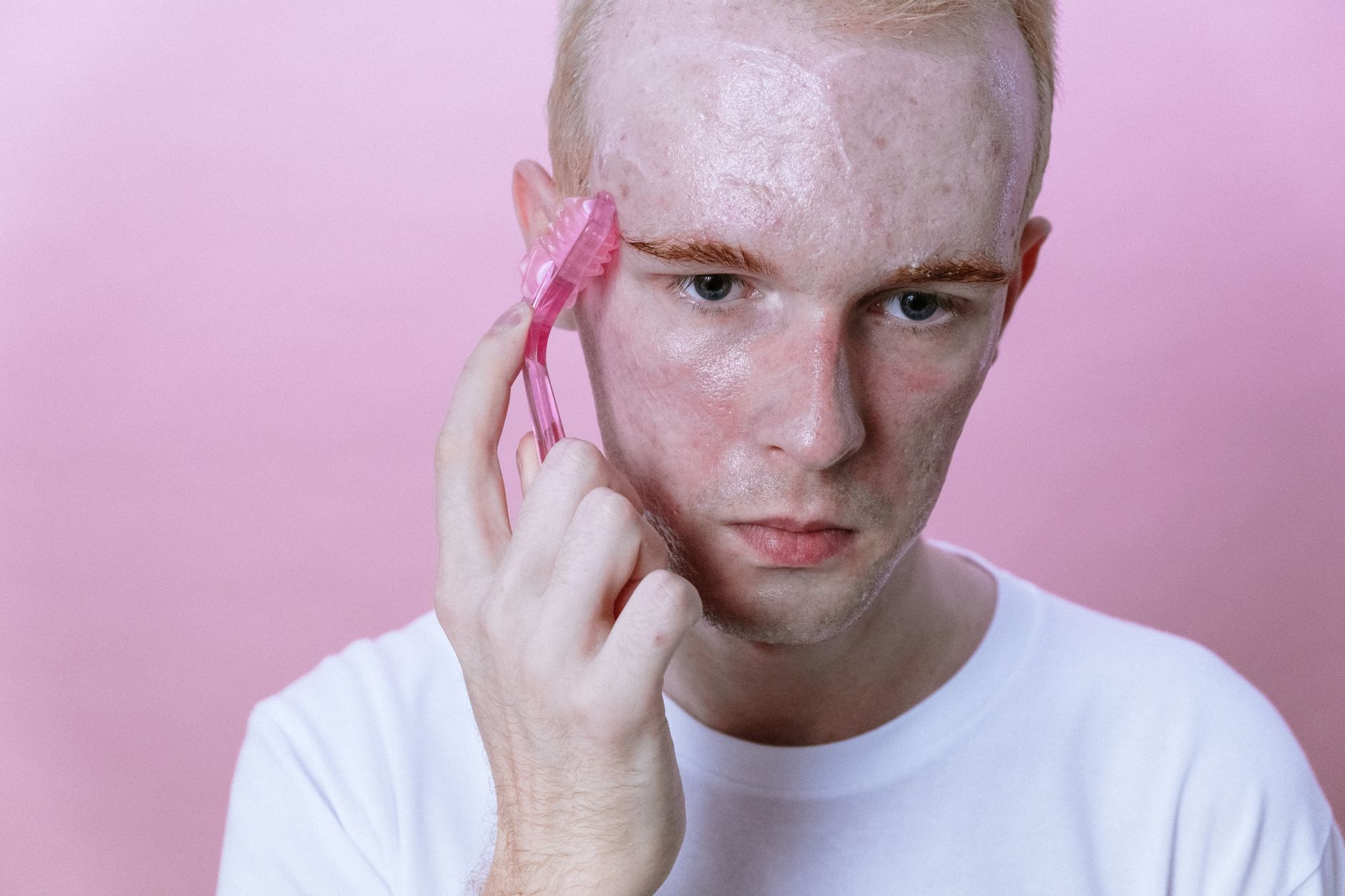
Lifestyle changes may reduce some acne triggers, but no specific diet or routine is proven to treat acne reliably. In 2026, the safest approach is gentle skin care, personal trigger tracking, and evidence-based treatment when needed. Diet, stress, exercise, and daily habits can affect breakouts differently from person to person. They should support—not replace—appropriate acne care, especially when acne is severe, persistent, painful, or causing scars.
Medical information disclaimer: This article is for general educational purposes only and does not provide medical advice, diagnosis, or treatment. Always consult a physician or other qualified health professional about symptoms, medications, tests, or treatment decisions.
Table of Contents
- Can changing your diet clear acne?
- Which daily habits are safest for acne-prone skin?
- Do stress and exercise make acne worse?
- When is lifestyle care not enough?
- What should you ask before choosing treatment?
Can changing your diet clear acne?
Current evidence does not support prescribing a particular diet as an acne treatment. NICE's acne guideline, updated April 30, 2026, says evidence is insufficient to recommend a specific diet, although balanced eating can support general wellbeing. Small studies of low-glycaemic diets reported fewer acne lesions, but other studies found no association. The American Academy of Dermatology also reports no evidence that yogurt or cheese increase breakouts.
If you suspect a food trigger, use a limited personal trial instead of adopting a highly restrictive regimen. Change one factor at a time, track breakouts, and avoid treating a temporary improvement as proof that the food causes acne. Vitamins, plant products, and supplement combinations also lack sufficient evidence for an acne recommendation. "Natural" does not mean proven, and supplements should not delay treatments with stronger evidence.
Which daily habits are safest for acne-prone skin?
Use gentle, non-comedogenic products, meaning products formulated not to clog pores. Scrubbing, irritating toners, frequent exfoliation, and picking can worsen acne; picking also increases the risk of scars and dark spots.
Keep the routine simple and consistent: More aggressive care is not necessarily more effective. Irritation can make an acne routine harder to continue and may add visible redness or marks to the original problem.
- Wash gently rather than scrubbing.
- Avoid products that sting or repeatedly irritate the skin.
- Choose oil-free or non-comedogenic skin-care products.
- Leave spots alone instead of squeezing or picking them.
- Give a tolerable routine time to work before changing several products at once.
Do stress and exercise make acne worse?
Stress can worsen acne because stress-related hormones can increase skin oil production, contributing to clogged pores. Stress management may be a useful addition to treatment, but the American Academy of Dermatology advises that stress-related skin conditions still need medical care. Exercise itself is not a reason to stop being active.
Sweat, oil, dirt, and bacteria around workouts may contribute to breakouts, so focus on what touches the skin before, during, and afterward. Wear clean workout clothes, gently pat away sweat, and use oil-free sunscreen when needed. Shower or change promptly after exercise rather than leaving damp, sweaty clothing against acne-prone areas.
When is lifestyle care not enough?
Lifestyle measures do not replace established acne medicines. The American Academy of Dermatology's 2024 guideline update strongly recommends benzoyl peroxide, topical retinoids, and appropriate antibiotic combinations. Oral antibiotics should be used for limited periods, with benzoyl peroxide used alongside them to reduce antimicrobial resistance.
Chemical peels, lasers, light devices, and microneedling do not have enough evidence for a general acne recommendation. Seek a clinician's guidance when acne is severe, persists despite treatment, or creates a risk of scarring. That decision matters because scarring risk rises with acne severity and duration.
What should you ask before choosing treatment?
A useful appointment should cover more than the latest breakout. Tell the clinician how long the acne has lasted, where it occurs, whether it is leaving scars, what you have tried, and how your skin responded. Ask these practical questions: Pregnant people and those planning pregnancy should ask before using acne medicines.
Topical retinoids and oral tetracyclines are contraindicated, while isotretinoin can cause birth defects, miscarriage, premature birth, and infant death. Severe, treatment-resistant acne or acne with scarring risk may require clinician-supervised isotretinoin and a detailed safety discussion. FDA-approved iPLEDGE changes are scheduled for November 15, 2026, while pretreatment pregnancy tests remain medical-setting requirements.
- How severe is my acne, and is it likely to scar?
- Could a medicine or product I use be affecting it?
- Which treatment fits my previous results and current routine?
- How long should I try it before judging the response?
- What irritation or other safety problems should prompt a call?