
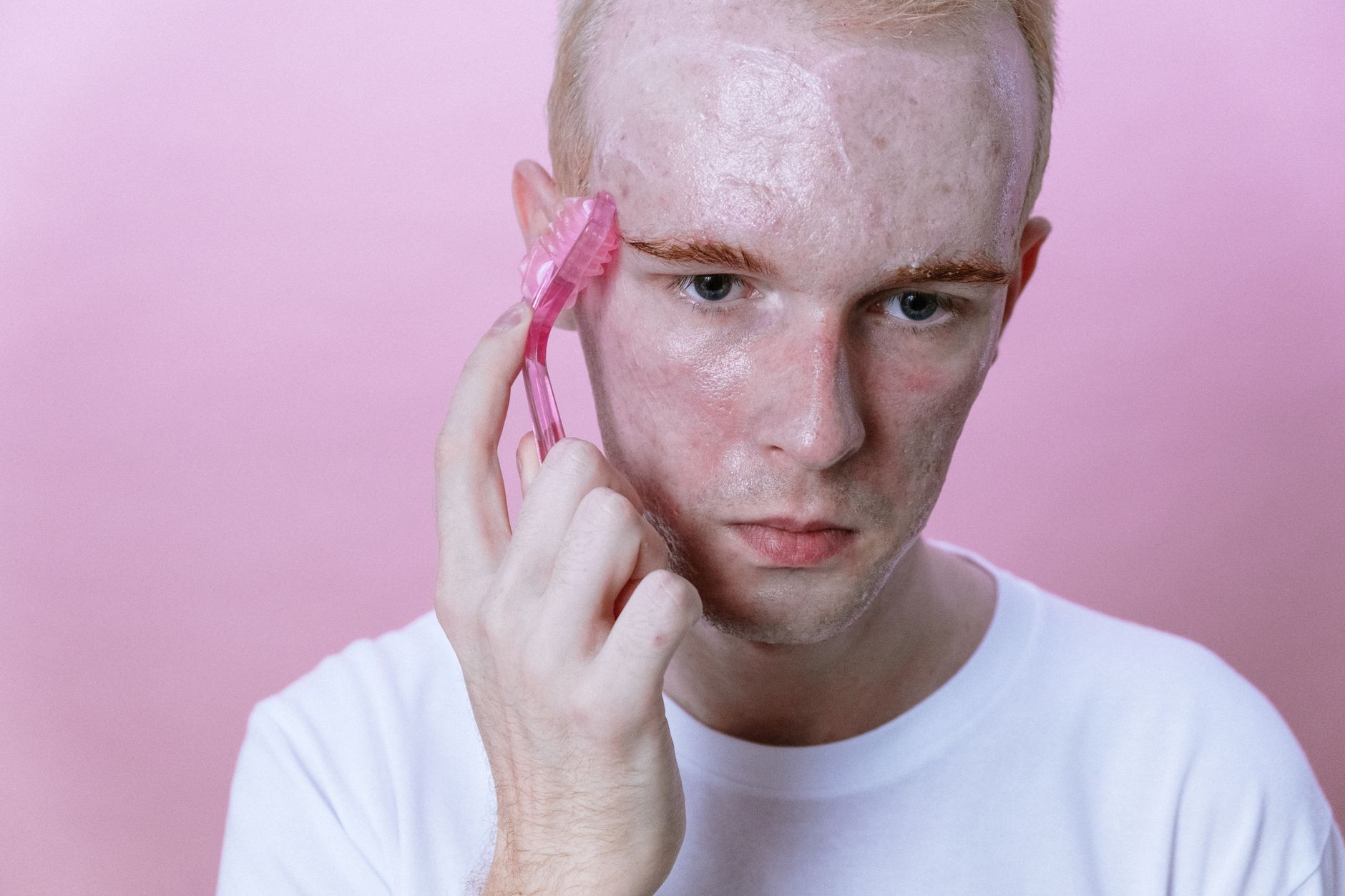
Jawline acne means breakouts concentrated along the lower cheeks, chin, or jaw, but its location alone does not prove a hormonal cause. It can affect adolescents and adults, especially women, and the next step depends on severity, timing, and accompanying symptoms. Acne begins when sebum and dead skin cells plug hair follicles. Bacteria can then trigger inflammation, producing papules, pustules, nodules, or cysts, according to the NHS explanation of acne causes.
Medical information disclaimer: This article is for general educational purposes only and does not provide medical advice, diagnosis, or treatment. Always consult a physician or other qualified health professional about symptoms, medications, tests, or treatment decisions.
Table of Contents
- Who gets jawline acne?
- Does the location prove it is hormonal?
- What can you try for mild acne?
- When might prescription treatment help?
- When should you see a clinician?
Who gets jawline acne?
acne affects about 85% of adolescents, but it can begin or continue during adulthood. Adult acne is particularly common among women, according to the American Academy of Dermatology's updated acne guidance. In women, breakouts may coincide with menstrual cycles, pregnancy, perimenopause, menopause, or changes in hormonal contraception.
Genetics, stress, skincare or hair-care products, medicines, and medical conditions may also contribute. These factors can overlap. A breakout near the jaw may have a hormonal component, but its position cannot identify the cause by itself.
Does the location prove it is hormonal?
No. In a dermatology study of 374 women, only 11.2% had acne confined to the mandibular, or jawline, area. Most—89.8%—had breakouts across several facial regions, as reported in the Journal of the European Academy of Dermatology and Venereology study.
That evidence challenges the popular idea that a jawline "acne map" can diagnose a hormonal problem. Location may be one clue, but timing, symptoms, medical history, and the appearance of the lesions provide more useful context. Track whether breakouts follow a menstrual pattern, began after a contraception change, or appeared with other symptoms. This information can help a clinician assess possible contributors without treating location as a diagnosis.
What can you try for mild acne?
For mild adult acne, evidence-based nonprescription options include adapalene, azelaic acid, benzoyl peroxide, and salicylic acid. Choose one directed product rather than starting several treatments simultaneously.
Benzoyl peroxide and topical retinoids such as adapalene are strongly recommended acne treatments. When antibiotics are prescribed, the AAD advises limiting their use and pairing them with benzoyl peroxide to reduce antimicrobial resistance.
- Apply the product exactly as directed.
- Use it consistently for six to eight weeks.
- Look for fewer breakouts after about four to eight weeks.
- Seek clinical advice if the acne does not improve after the initial trial.
When might prescription treatment help?
Persistent acne may require a clinician to choose treatments based on lesion depth, severity, previous results, and possible hormonal influences. One option for some women is spironolactone, a prescription medicine used for hormonally influenced acne. In the 2023 SAFA randomized trial, 82% of women taking spironolactone reported improvement after 24 weeks, compared with 63% taking placebo.
Its benefit was less clear after 12 weeks, according to The BMJ's SAFA trial report. The timing matters: a limited early response does not necessarily predict the result at 24 weeks. However, the trial does not show that every jawline breakout is hormonal or that spironolactone suits every patient.
When should you see a clinician?
Arrange dermatology care for large, painful, deep lesions, acne that is causing scars, or breakouts that do not respond to initial treatment. Earlier assessment may also be appropriate when sudden adult-onset acne appears alongside signs of a hormonal imbalance. Women should seek clinical assessment if new acne occurs with excess body hair or irregular or unusually light periods.
Polycystic ovary syndrome, or PCOS, is a common possible cause of this symptom pattern, but acne alone cannot establish the diagnosis. Pregnant people and anyone who could be pregnant should get clinician guidance before using acne medication. Some treatments, including spironolactone, are unsafe during pregnancy.